Get the Blueprint
Blueprint 4th edition (PDF or Print) - Register your interest

Blueprint for an Active Australia
Action area 7: Sport and active recreation
Authors: Matthew Mclaughlin, Helen Brown, Lisa M Barnett, Joseph Carrello, Ruth Jeanes, Rona Macniven, Peter McCue, Stephanie Schoeppe, Dawn Penney.
Key messages
Sport and active recreation are powerful drivers of physical activity, health, social connection and economic productivity in Australia.1-5 With high community participation and strong public support, the sector provides a unique opportunity to improve population health and wellbeing.6 To maximise impact, investment is needed in accessible local infrastructure, flexible and inclusive participation opportunities, and coordinated policy action that reflects changing community needs and supports lifelong engagement in sport and active recreation.
Strategic priorities
Key strategic priorities for sport and active recreation to make impactful change in physical activity participation:
- Ensure people living in Australia have access to local sport and active recreation infrastructure within walking distance of home, work, or school, enabling regular participation in physical activity.
- Enable flexible participation in sport and active recreation for all people living in Australia by extending facility opening hours and embedding dedicated activity time in school and workplace policies.
Sustainable Development Goals
The United Nations Sustainable Development Goals7 that relate to sport and active recreation include:
For more information see Appendix 1
Why are sport and active recreation important to improve physical activity?
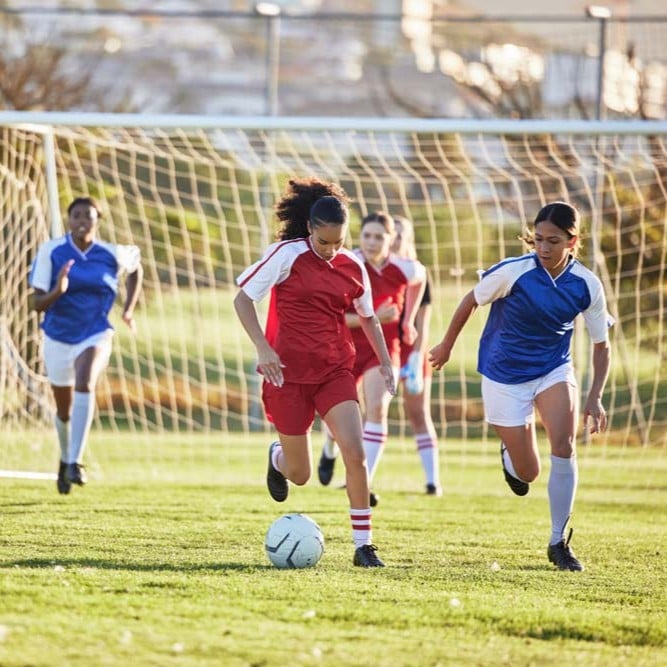
Sport and active recreation contribute significantly to the physical activity levels of people in Australia across all life stages.1-3 The nature of these activities is constantly changing and varies across cultures, contexts and communities. Sport and active recreation play important roles for communities, building community connections and support preventive health initiatives.4,5 As of 2017, a very high proportion (97%) of people in Australia agreed that sport and physical activity are beneficial for their health and wellbeing.6 This broad community support offers governments and other organisations a low-risk, high-impact opportunity to invest in sport and active recreation.
Consider the case for change:
- Australia’s changing demographic characteristics and evolving participation preferences are reshaping demand for sport and active recreation. As the population ages and becomes more culturally diverse, and as young people increasingly favour flexible and informal ways to be active, participation is shifting beyond traditional club-based sport. AusPlay data show growing participation in informal activities such as walking, swimming, cycling and yoga, particularly among older adults and people experiencing social disadvantage.1,3,8-10
- Sport and active recreation deliver sound economic returns. Investment in sport and active recreation has demonstrated strong returns on investment through reduced physical and mental health costs, decreased social isolation, and long-term system savings and productivity gains.4 It is estimated that the Australian sports industry generates approximately $32.2 billion in annual sales, resulting in a contribution to GDP of approximately $14.4 billion and supports approximately 128,000 full-time equivalent jobs.11
- Sport and active recreation provide ideal opportunities to foster diverse and supportive environments that enhance community wellbeing.12 Access to safe, high-quality local parks, trails and leisure facilities, and affordable opportunities for participation in social teams and organised sport provide the foundations for addressing barriers to sport and active recreation.12-14 There should be equitable access and inclusion for everyone, regardless of age, ability, gender or cultural background.15 (See Priority populations action area for additional information).
- National strategic policies such as the Sport Horizon – National Sport Strategy 2024–203416 and Play Well – Australia’s Sport Participation Strategy17 set the priorities for sport in Australia over the next decade. Sport and active recreation are explicitly stated as strategies for increasing physical activity in Australia’s National Preventive Health Strategy 2021–2030.18
What is working well for sport and active recreation?
Sport and active recreation have extensive reach across Australia, providing a powerful platform to increase physical activity through mass participation programs, youth engagement initiatives, and digital technologies that support participation across the lifespan. The following points document what is working well.
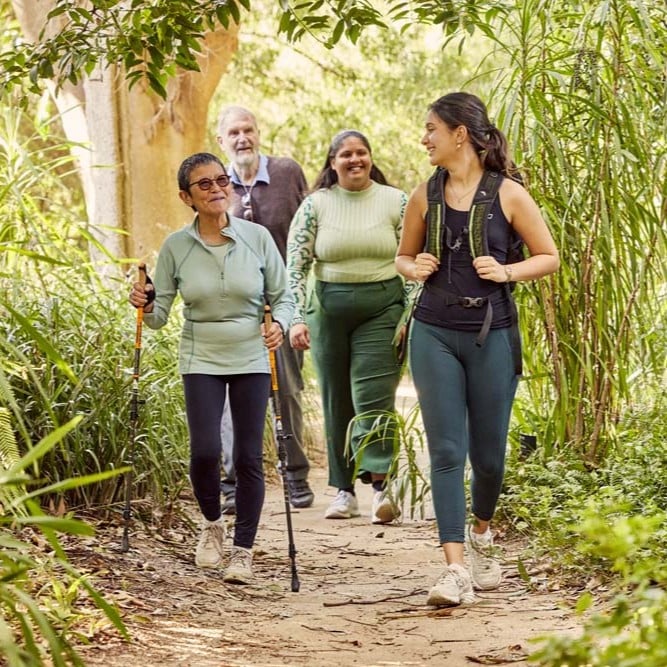
- Sport and active recreation have large reach in Australia, highlighting the potential for improving population physical activity levels. Sport and recreation participation data show:
- Data from 2025 show that 85.9% of people aged 15 and older in Australia participated in some type of sport or physical activity at least once in the last year. This equates to around 19.4 million individuals.19
- Sport-related activity was the predominant type of out-of-school hours organised activity for children under 14 in Australia; 71.5% had participated at least once in the previous 12 months.19
- The 2024 data show that, although participation in organised sport declines with age, participation in informal sport and active recreational activities increases with age.3
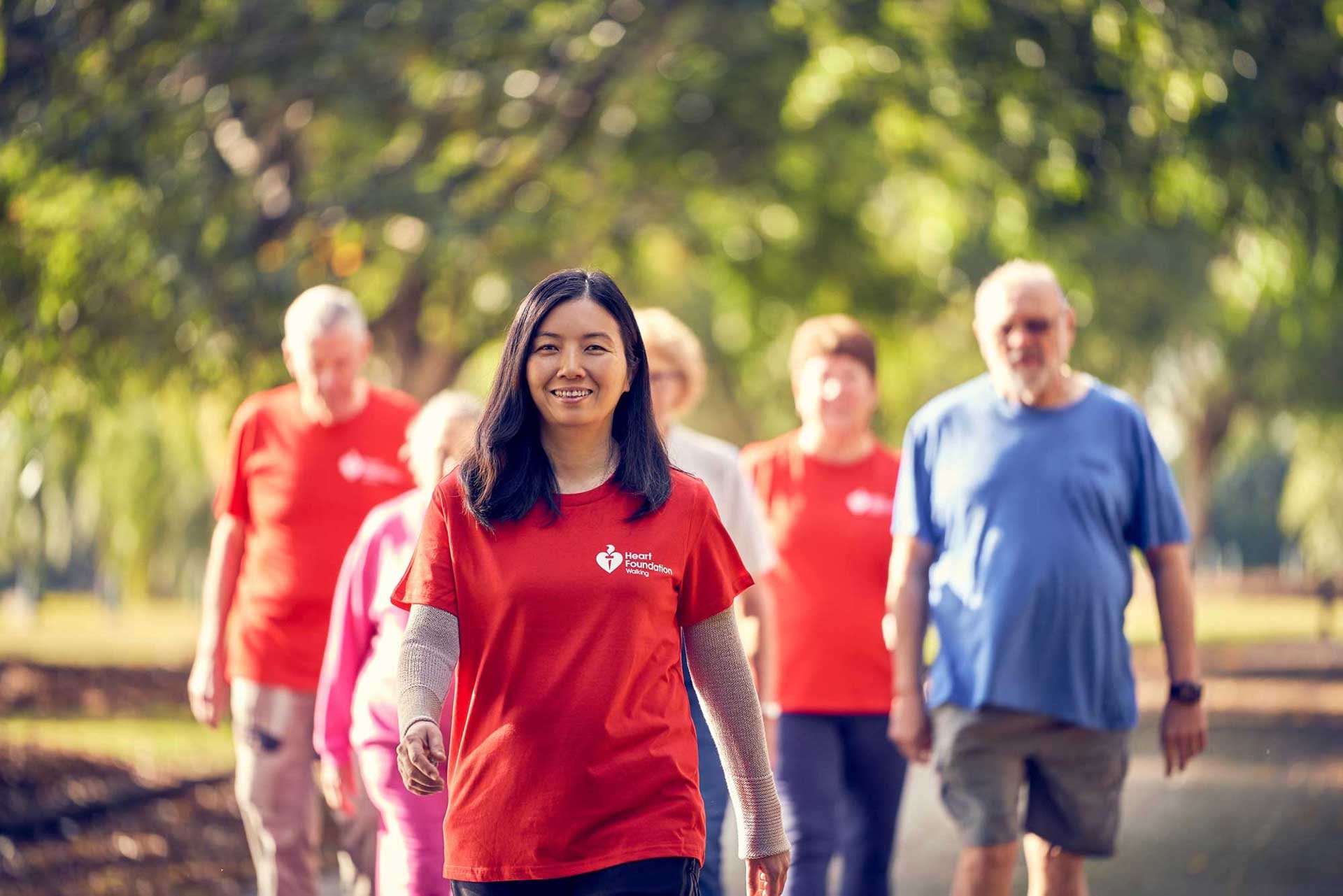
- Implementation of mass participation events and programs: walking remains the most popular recreational physical activity in adults,20,21 and walking and running programs such as the Heart Foundation Walking,22 10,000 Steps,23 and parkrun24 engage individuals in recreational walking or running in both community and workplace settings.25-27
- Modified youth sport programs: attract the next generation of participants by increasing confidence, capability and positive attitudes towards sport.28 There has been an upsurge in well-funded programs such as Tennis Australia’s Hot Shots and AFL Auskick program.28-30 However, while these programs have shown great success at the grassroots level, support is needed for smaller sports that are unable to compete with large sporting organisations.
- Integrating digital technology in sport and active recreation: participation is supported by the use of mobile and web applications (apps), wearables, chatbots and websites that monitor physical activity and set goals.31,32 Social media and event apps (e.g. Meetup, WhatsApp) help with organisation and communication for informal and formal sport and active recreation (e.g. walking, running, hiking, outdoor yoga, nature play, social soccer).33,34
Case studies
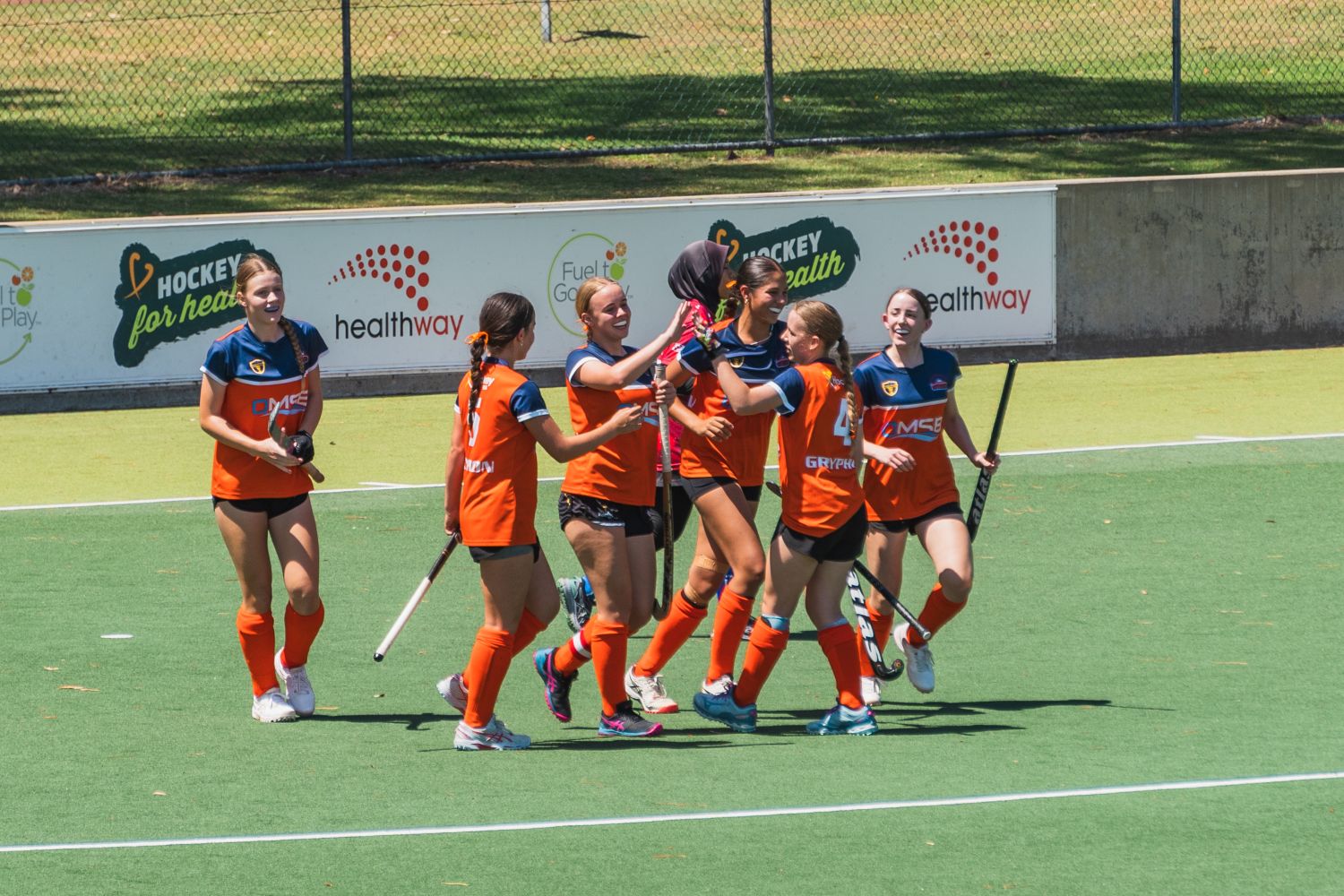
Healthway’s grant funding for sports organisations is contingent on healthy policies
Healthway ties sports funding to health standards, reducing unhealthy sponsorship, and creating healthier environments for active participation and community wellbeing.
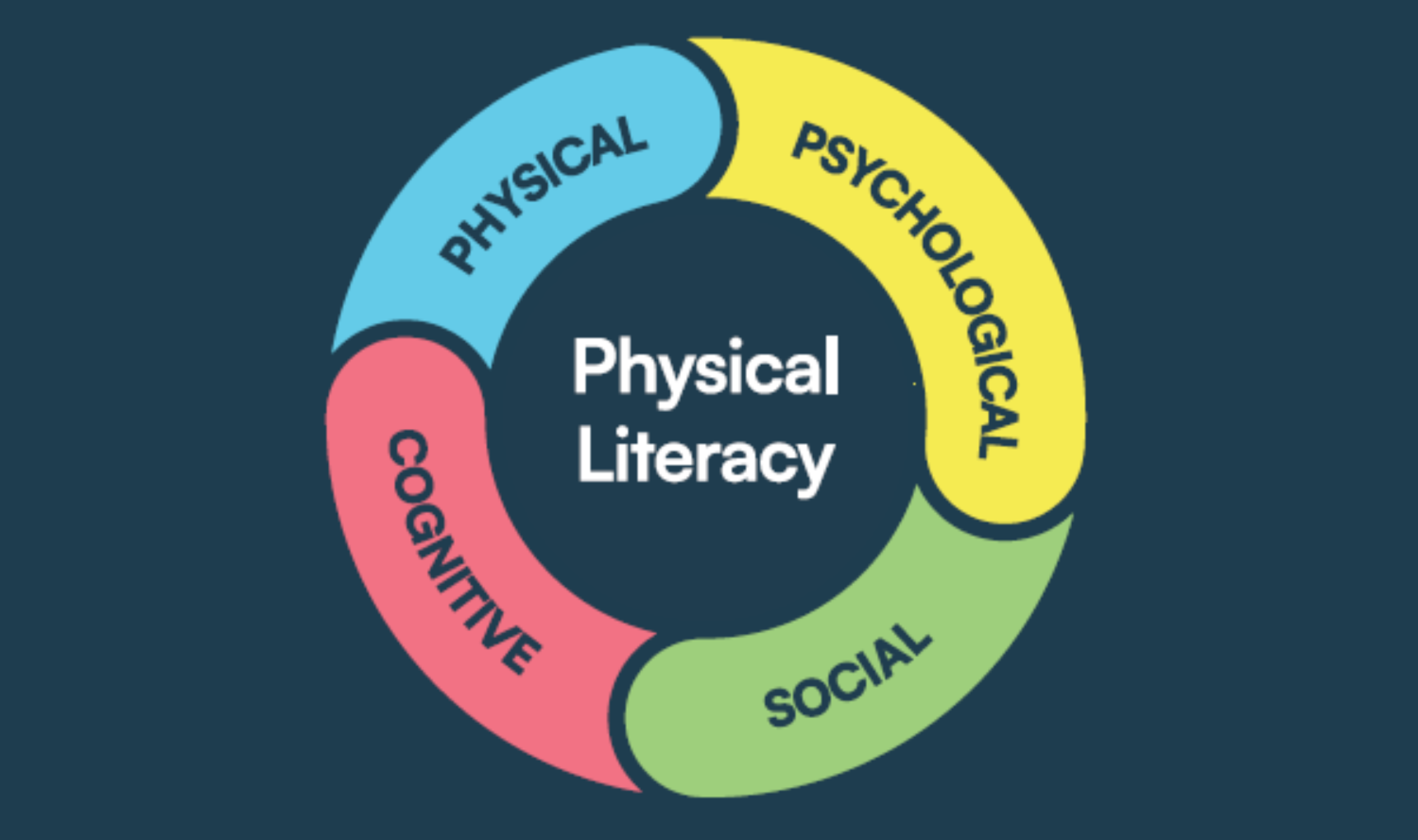
The Australian Physical Literacy Framework and its translation into the National Sport System
Australia’s Physical Literacy Framework is reshaping national sport - embedding holistic, participant-centred coaching, and improving skill development across sports.
What must be done to increase participation in sport and active recreation?
Coordinated action is required to strengthen sport and active recreation systems across policy, service delivery, urban planning, workforce development, community engagement and research. The recommendations below build on the evidence presented in this action area, including national participation data, research on the health, social and economic benefits of sport and active recreation, and evaluations of mass participation events, modified youth sport and digital programs. Where published evidence is limited, recommendations reflect expert consensus. The following sections outline strategies for improving participation in sport and active recreation.
Policy, practice and leadership
- Leverage the cultural and political significance of sport in Australia35,36 to deliver policy actions that provide accessible, affordable and inclusive participation opportunities across all life stages, including informal, community and club-based activities.37,38
- Improve alignment and collaboration between all levels of government, across planning, community development, education and sport sectors, and with sporting organisations, to increase access to local facilities and optimise their use, including shared spaces, multi-use spaces and out-of-hours access.39,40
- Reform funding models to prioritise participation, retention and inclusive access, with measurable outcomes and potential for sustainable revenue streams (e.g. no cost venue hire, free sports equipment, high-quality shower and changing spaces).
- Reduce the costs of participation in sport and active recreation for priority populations by introducing means tested sport and active recreation vouchers.14
- Position the sport and recreation sector, alongside the health, education and community sectors, as a key partner in cardiovascular and chronic disease prevention.
Urban design and planning
- Apply Healthy Active by Design principles41 to improve access to public green and blue spaces, parks, sports fields and community facilities, to ensure they are locally accessible, walkable, welcoming, affordable, safe and inclusive.42,43
- Invest in accessible, affordable and safe active transport infrastructure that includes walking and bike riding paths, green spaces and community facilities, especially for diverse and underserved communities.44
Organisation and service delivery
- Diversify sport delivery models to include mass participation, social, low-cost, regular, turn-up-and-play opportunities (e.g. parkrun,24 Heart Foundation Walking22) that consider price, proximity and time barriers.45,46
- Promote inclusive programs across ages, genders, abilities and cultural backgrounds, extending the focus beyond competitive sport to everyday active living and recreation. Participation is shifting towards informal activities,1,3,8-10 and equitable access should extend to all people in Australia.15
- Co-design programs with less active and underrepresented groups to ensure cultural safety, local ownership and priority focus on Aboriginal and Torres Strait Islander peoples, young women, older adults, people with disability, LGBTIQA+ communities and culturally diverse groups.47,48 (See Priority Populations and Aboriginal and Torres Strait Islander action areas)
Workforce
- Strengthen the sport and recreation workforce with health promotion skills to integrate physical activity into health promotion strategies.49
- Build partnerships with healthcare providers to embed physical activity advice and referral pathways to local sport and recreation opportunities into routine care.50-52
Community awareness and engagement
- Deliver nationwide campaigns that build community support for sport and active recreation investment, infrastructure and policy, for example, by highlighting the physical (e.g. cardiovascular, metabolic, musculoskeletal), mental health and social benefits of sport and active recreation.
- Shift social norms so that supportive physical activity environments and opportunities are considered essential to everyday life – driving community engagement in asking for such environments.53
- Leverage mega-events (e.g. Brisbane 2032 Olympics) to increase the political priority of sport and recreation for all, to increase investment and policy actions for sport and active recreation, and to provide opportunities for physical activity promotion and increased access to sporting facilities in local neighbourhoods.35
- Use sport and active recreation as tools to promote positive social outcomes, including health, employment, education and social cohesion.54
Research, data and innovation
- A review of the evidence for this action area identified the following priorities for investment in research, data and innovation.
- Improve collection of membership and participation data for formal and informal sport to inform equity, access and program effectiveness.
- Evaluate the use of sports vouchers to determine equity of access and impact on participation and retention rates among priority populations.55
- Evaluate the social, health and economic impacts of programs and infrastructure investments.
- Evaluate the use of mobile apps, wearables, online platforms and social media to support participation, for both formal and informal sport.
- Assess current and future digital trends to enhance promotion, accessibility, inclusivity and effectiveness of digital interventions.
References
1. Strain T, Wijndaele K, Garcia L, et al. Levels of domain-specific physical activity at work, in the household, for travel and for leisure among 327 789 adults from 104 countries. Br J Sports Med. 2020;54(24):1488–1497. doi:10.1136/bjsports-2020-102601
2. Australian Government, Australian Sports Commission, AusPlay. Lifelong Involvement in Sport. 2025. https://www.ausport.gov.au/clearinghouse/research/ausplay/results/publications
3. Australian Government, Australian Sports Commission, AusPlay. A New Picture of How Australians Get Active. 2025. https://www.ausport.gov.au/clearinghouse/research/ausplay/results/publications
4. Eime RM, Young JA, Harvey JT, Charity MJ, Payne WR. A systematic review of the psychological and social benefits of participation in sport for children and adolescents: informing development of a conceptual model of health through sport. Int J Behav Nutr Phys Act. 2013;10(1):98. doi:10.1186/1479-5868-10-98
5. Edwards MB. The role of sport in community capacity building: an examination of sport for development research and practice. Sport Management Review. 2015;18(1):6–19. doi:10.1016/j.smr.2013.08.008
6. Boston Consulting Group. Intergenerational Review of Australian Sport. 2017. https://www.sportforall.com.au/wp-content/uploads/2019/05/Intergenerational-Review-of-Australian-Sport-2017-1.pdf [PDF]
7. United Nations. Sustainable Development Goals. Accessed 6 July 2026. https://sdgs.un.org/goals
8. Jeanes R, Penney D, O’Connor J, et al. Spatial justice, informal sport and Australian community sports participation. Leis Stud. 2024;43(6):946–960. doi:10.1080/02614367.2022.2085772
9. Eime R, Harvey J, Charity M, Pankowiak A, Westerbeek H, Mesagno C. The motivations to play organised club-based sport in Australia. Leis Stud. 2025;44(4):697–712. doi:10.1080/02614367.2024.2347282
10. Cameron A, Bratanova A, May C, et al. The Future of Australian Sport. The second report: megatrends shaping the sport sector over coming decades. 2022. https://www.ausport.gov.au/clearinghouse/research/future
11. KPMG Sports Advisory for the Office for Sport; Department of Health. Sports Industry Economic Analysis: Exploring the Size and Growth Potential of the Sport Industry in Australia. 2020. https://www.infrastructure.gov.au/sites/default/files/documents/sports-industry-economic-analysis.pdf [PDF]
12. Høyer-Kruse J, Schmidt EB, Hansen AF, Pedersen MRL. The interplay between social environment and opportunities for physical activity within the built environment: a scoping review. BMC Public Health. 2024;24(1):2361. doi:10.1186/s12889-024-19733-x
13. Hardy LL, Kelly B, Chapman K, King L, Farrell L. Parental perceptions of barriers to children’s participation in organised sport in Australia. J Paediatr Child Health. 2010;46(4):197–203. doi:10.1111/j.1440-1754.2009.01661.x
14. Reece LJ, McInerney C, Blazek K, et al. Reducing financial barriers through the implementation of voucher incentives to promote children’s participation in community sport in Australia. BMC Public Health. 2020;20(1):19. doi:10.1186/s12889-019-8049-6
15. Cooper JN, Keaton ACI, Mack MN, Flowers R, Herman II JL. A new paradigm for sport education programs: an equity-minded and anti-ism framework. Sport Educ Soc. 2024;29(7):805–829. doi:10.1080/13573322.2023.2217835
16. Australian Government, Department of Infrastructure, Transport, Regional Development, Communications, Sport and the Arts. Sport Horizon: National Sport Strategy 2024–2034. 2026. https://www.infrastructure.gov.au/sport/national-sport-strategy
17. Australian Government, Australian Sports Commission. Play Well – Everyone has a place in sport: Australia’s sport participation strategy. 2023. Accessed 28 April 2025. https://www.ausport.gov.au/playwell
18. Australian Government, Department of Health, Disability and Ageing. National Preventive Health Strategy 2021–2030. 2021. https://www.health.gov.au/resources/publications/national-preventive-health-strategy-2021-2030
19. Australian Government, Australian Sports Commission. AusPlay. National data tables 2025. 2026. Accessed 31 July 2026. https://www.ausport.gov.au/clearinghouse/research/ausplay/results
20. Australian Government, Australian Sports Commission. AusPlay: Data Portal. 2025. Accessed 17 March 2026. https://app.powerbi.com/view?r=eyJrIjoiMzg2NTFmZGEtNGRhZC00Yzg2LWFjMjktNTViZTc2NDYwN2RiIiwidCI6IjhkMmUwZjRjLTU1ZjItNGNiMS04ZWU3LWRhNWRkM2ZmMzYwMCJ9
21. Halim N, Owen KB, Smith BJ, et al. Increasing reported physical activity among Australian adults: progress toward a healthy older age. J Aging Phys Act. 2024;33(4):350–358. doi:10.1123/japa.2023-0426
22. National Heart Foundation of Australia. Heart Foundation Walking. 2025. Accessed 27 October 2025. https://www.heartfoundation.org.au/healthy-living/heart-foundation-walking
23. CQUniversity. 10,000 Steps. 2025. Accessed 27 October 2025. https://www.10000steps.org.au/
24. Parkrun. Parkrun. 2025. Accessed 27 October 2025. https://www.parkrun.com.au/
25. McVinnie Z, Plateau CR, Lane A, Murphy N, Stevinson C. Effects of engaging in mass participation sporting events on physical activity behaviour: a systematic review. Health Promot Int. 2023;38(2):daad018. doi:10.1093/heapro/daad018
26. Grunseit AC, Huang B-H, Merom D, Cranney L, Bauman A, Rogers K. Coming back for more: individual participation patterns in the physical activity initiative parkrun in Australia. Health Promot Int. 2024;39(4):daae098. doi:10.1093/heapro/daae098
27. Petersen JM, Connolly CJ, Lewis LK. Nation-wide cross-sectional study of participation and predictors of enjoyment among Australian adult walking sport participants. Eur J Sport Sci. 2025;25(2):e12246. doi:10.1002/ejsc.12246
28. Buszard T, Oppici L, Westerbeek H, Farrow D. Implementation of a modified sport programme to increase participation: key stakeholder perspectives. J Sports Sci. 2020;38(8):945–952. doi:10.1080/02640414.2020.1737370
29. AFL. NAB AFL Auskick. Accessed 27 October 2025. https://play.afl/play/auskick
30. McInerney P, Urquhart R, McDonald R, Hewitt M. ANZ Tennis hot shots: developing, nurturing and promoting participation. World Tenn Coach Sport Sci Rev. 2017;25(72):30–32. doi:10.52383/itfcoaching.v25i72.286
31. Rubin Q, Kitak K. Sports participants’ intentions to use digital technology for sports participation: a behavioral reasoning theory perspective. Int J Appl Sports Sci. 2024;36(1):56–76. doi:10.24985/ijass.2024.36.1.56
32. Sousa Basto P, Ferreira P. Mobile applications, physical activity, and health promotion. BMC Health Serv Res. 2025;25(1):359. doi:10.1186/s12913-025-12489-z
33. Rayward AT, Vandelanotte C, Corry K, Van Itallie A, Duncan MJ. Impact of a social media campaign on reach, uptake, and engagement with a free web- and app-based physical activity intervention: the 10,000 Steps Australia program. Int J Environ Res Public Health. 2019;16(24):5076. doi:10.3390/ijerph16245076
34. Rai JS, Kajla T, Itani M, Cho H. Social media in sport: a systematic review and research agenda using the theory, context, characteristics, and methodology framework. Int J Consum Stud. 2025;49(5):e70102. doi:10.1111/ijcs.70102
35. Bauman AE, Kamada M, Reis RS, et al. An evidence-based assessment of the impact of the Olympic Games on population levels of physical activity. Lancet. 2021;398(10298):456–464. doi:10.1016/S0140-6736(21)01165-X
36. Asia-Pacific Society for Physical Activity. The Aussie Movement: ASPA vision for Olympic legacy. 2021. Accessed 9 June 2025. https://aspactivity.org/blog/news/aspa-vision-for-olympic-legacy/
37. Block K, Molyneaux R, Young D. Sport as a social capital intervention promoting health and well-being for migrant youth in Australia. Health Promot Int. 2025;40(3):daaf051. doi:10.1093/heapro/daaf051
38. Young D, Block K. Count Me In: a sports participation intervention promoting inclusion for young people from migrant backgrounds in Australia. Sport Soc. 2023;26(7):1227–1249. doi:10.1080/17430437.2022.2119846
39. Young DR, Spengler JO, Frost N, Evenson KR, Vincent JM, Whitsel L. Promoting physical activity through the shared use of school recreational spaces: a policy statement from the American Heart Association. Am J Public Health. 2014;104(9):1583–1588. doi:10.2105/ajph.2013.301461
40. Hu D, Zhou S, Crowley-McHattan ZJ, Liu Z. Factors that influence participation in physical activity in school-aged children and adolescents: a systematic review from the social ecological model perspective. Int J Environ Res Public Health. 2021;18(6):3147. doi:10.3390/ijerph18063147
41. National Heart Foundation of Australia. Healthy Active by Design: design features. Accessed 27 October 2025. https://www.healthyactivebydesign.com.au/design-features
42. Monash University. Supporting informal sport participation: a checklist for local government. 2024. https://www.monash.edu/__data/assets/pdf_file/0012/3486738/Supporting-informal-sport-participation.pdf [PDF]
43. Battaglia S, Cognigni M, Vettori MP. Resilient design for outdoor sports infrastructure. In: Technological Imagination in the Green and Digital Transition. Springer International Publishing; 2023:659-667.
44. Wood AM, Vasey T, Carroll SJ. Supporting active living in neighbourhoods of lower socioeconomic advantage: a rapid review of the literature and insights from workshops in three Australian communities of lower socioeconomic advantage. 2024. https://www.healthyactivebydesign.com.au/walkability-in-less-advantaged-areas
45. Sherry E, Raw K. Sport, social inclusion, and development. In: Wenner L, ed. The Oxford handbook of sport and society. Oxford University Press; 2022:769-786.
46. Ball K, Abbott G, Wilson M, Chisholm M, Sahlqvist S. How to get a nation walking: reach, retention, participant characteristics and program implications of Heart Foundation Walking, a nationwide Australian community-based walking program. Int J Behav Nutr Phys Act. 2017;14(1):161. doi:10.1186/s12966-017-0617-5
47. Lederman O, Moors-Mailei A, Peacock Y, et al. Developing a co-designed, culturally responsive physical activity program for Pasifika communities in Western Sydney, Australia. Health Promot Int. 2025;40(1):daae197. doi:10.1093/heapro/daae197
48. McKeon G, Curtis J, Rostami R, et al. Co-designing a physical activity service for refugees and asylum seekers using an experience-based co-design framework. J Immigr Minor Health. 2024;26(4):674–688. doi:10.1007/s10903-024-01587-5
49. World Health Organization. Be an inclusive, empowering and supportive sports clubs manager: health promoting sports club management implementation guide. 2025. https://www.who.int/europe/publications/i/item/WHO-EURO-2025-12704-52478-81014
50. Freene N, Cools S, Bissett B. Are we missing opportunities? Physiotherapy and physical activity promotion: a cross-sectional survey. BMC Sports Sci Med Rehabil. 2017;9(1):19. doi:10.1186/s13102-017-0084-y
51. Royal College of General Practitioners, Consumers Health Forum of Australia. Social Prescribing Roundtable, November 2019: Report. 2019. https://www.racgp.org.au/FSDEDEV/media/documents/RACGP/Advocacy/Social-prescribing-report-and-recommendation.pdf [PDF]
52. Alsop T, Lehman E, Brauer S, et al. What should all health professionals know about movement behaviour change? An international Delphi-based consensus statement. Br J Sports Med. 2023;57(22):1419–1427. doi:10.1136/bjsports-2023-106870
53. Kim J, Dunn E, Rellinger K, Robertson-Wilson J, Eys M. Social norms and physical activity in American and Canadian contexts: a scoping review. Int Rev Sport Exerc Psychol. 2019;12(1):26–48. doi:10.1080/1750984X.2017.1354229
54. Höglund F, Bruhn A. Sport-based interventions’ – a tool for suburban social integration? Nordic Social Work Research. 2024;14(1):32–44. doi:10.1080/2156857X.2022.2062430
55. Reilly K, Bauman A, Reece L, Lecathelinais C, Sutherland R, Wolfenden L. Evaluation of a voucher scheme to increase child physical activity in participants of a school physical activity trial in the Hunter Region of Australia. BMC Public Health. 2021;21(1):570. doi:10.1186/s12889-021-10588-0
Heart Foundation related information for sport and active recreation
Active travel
Education and childcare