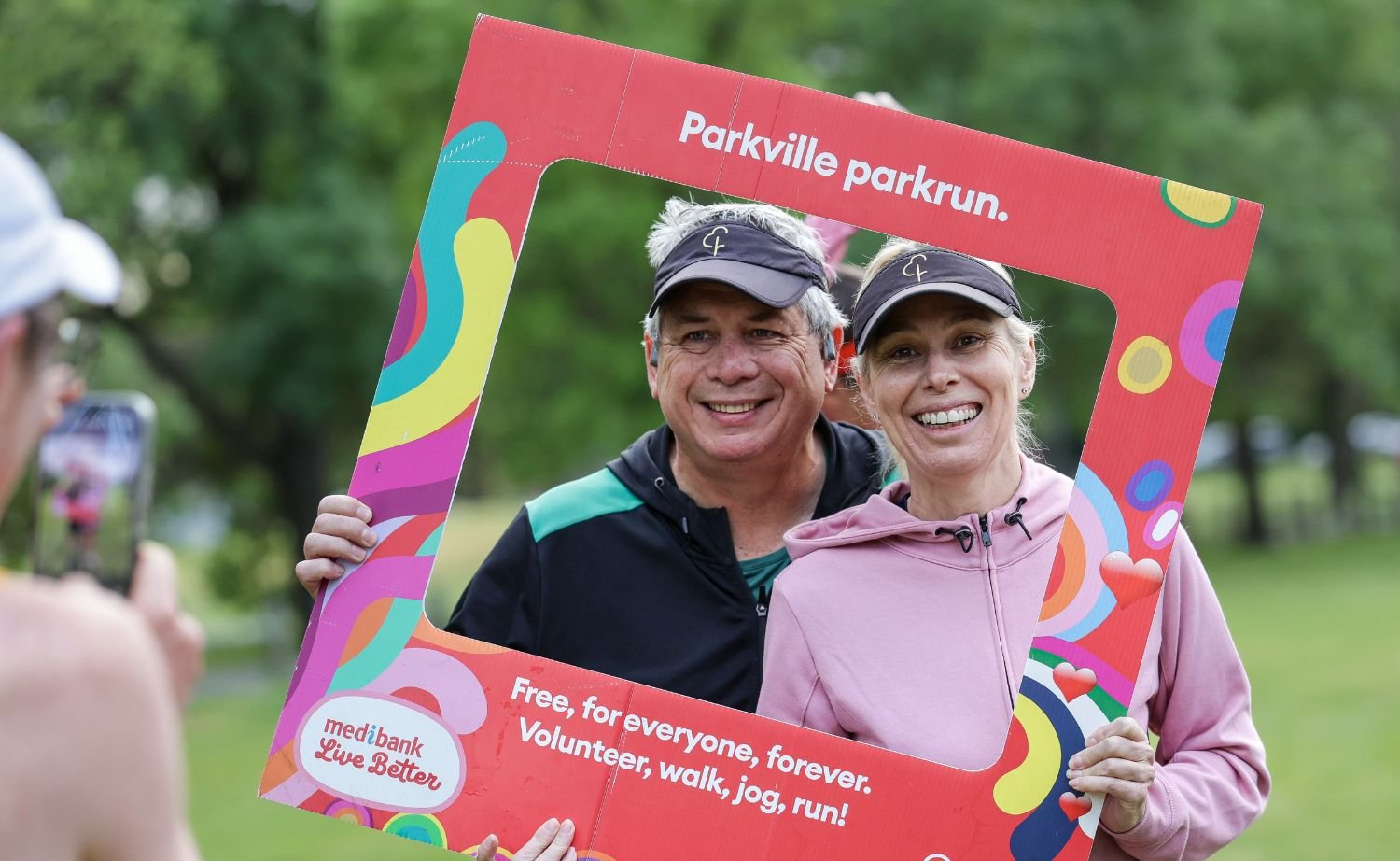
parkrun: sustaining physical activity through community-led inclusion
Blueprint for an Active Australia
/
/
parkrun: sustaining physical activity through community-led inclusion
Background and rationale
parkrun is a free 5-kilometre event held in thousands of parks and open spaces around the world, every Saturday morning. Participants are invited to take part by walking, running, volunteering or supporting. Since launching in Australia in 2011 it has grown to 1.3 million participants around the country, including 200,000 volunteers, through a decentralised volunteer-delivered model supported by local councils, health services, and community groups. Designed to reduce barriers to physical activity, parkrun welcomes people of all ages, backgrounds, and fitness levels. Participants register with parkrun once to receive a personal barcode that tracks their participation. They can then attend any parkrun anywhere in the world on any Saturday morning and take part how they choose to.
The model targets those typically excluded from structured exercise and volunteering opportunities, including older adults, people with chronic conditions, and socially isolated individuals, by offering inclusive, flexible, and socially connected opportunities to engage in movement. Research shows it effectively responds to population-level challenges around sedentary behaviour and community disconnection.1,2
Recent initiatives have extended parkrun’s reach into primary healthcare through the 'parkrun practice’ model in Australia, UK and Ireland, linking GP clinics with local events to improve staff morale and an individual’s wellbeing. parkrun's social impact has also recently been studied, finding that it creates regular, shared opportunities for connection that can reduce social isolation and strengthen community wellbeing regardless of location.2
Outcomes and impact
Since 2011, parkrun has recorded more than 25 million participation instances in Australia across its events, which now number 540 every Saturday morning and new events launching every month. Those who take part regularly foster deeper engagement and social connection.
Qualitative research highlights parkrun’s sustained success is supported by shared community ownership, flexible participation roles, and evolving personal engagement.3 Its grassroots model facilitates scalable, cost-effective health promotion with social and mental wellbeing benefits.
Investment and funding
parkrun operates through a low-cost model supported by national sponsors, local government and a variety of other organisations that provide land use permits, an online retail shop, and an ongoing fundraising campaign to help fund defibrillators, which are compulsory at all parkruns in Australia. All parkruns are started by volunteers in the local community who are supported by senior parkrun volunteers and parkrun Australia staff, which makes it highly cost-effective with broad reach and minimal health system expenditure.
Enablers and lessons learned
Key enablers include parkrun’s simplicity, inclusivity, and flexible roles. Participation is open, free, and socially driven. Barriers remain in engaging marginalised communities, but initiatives such as ‘parkwalk’, which encourages and celebrates participating by walking, and more inclusive messaging are helping. For those replicating this model, embedding community ownership, reducing structural barriers, and emphasising joy and social connection are essential.
Further reading:
parkrun Global Research Board website https://awrcparkrunresearch.wordpress.com/
References
1. Grunseit AC, Huang BH, Merom D, Cranney L, Bauman A, Rogers K. Coming back for more: individual participation patterns in the physical activity initiative parkrun in Australia. Health Promotion International. 2024;39(4):daae098. doi.org/10.1093/heapro/daae098
2. Arias-Calluari K, Grunseit AC, Cranney L, Matous P. Social networks in parkrun: a comparative analysis of an urban and a rural event. J Public Health. 2026;in press. doi.org/10.1007/s10389-026-02704-4
3. Grunseit A, Richards J, Merom D. Running on a high: parkrun and personal well-being. BMC Public Health. 2018;18:59. doi.org/10.1186/s12889-017-4620-1
Last updated21 October 2026