Get the Blueprint
Blueprint 4th edition (PDF or Print) - Register your interest

Blueprint for an Active Australia
Action area 4: Priority populations
Authors: Carol Maher, Nicola D Ridgers, Lisa M. Barnett, Helen Brown, Joseph Carrello, Emiliano Mazzoli, Susan Paudel, Louisa Peralta.
Key messages
Physical activity is essential for health equity as it supports heart health, mental wellbeing, mobility, healthy ageing and chronic disease prevention. Priority populations often face social, cultural, economic, geographic and structural barriers that limit safe, inclusive and affordable opportunities to be active. Approaches to improve physical activity must be co-designed with communities, culturally safe, locally relevant and responsive to lived experience rather than one-size-fits-all. Inclusive environments and better disaggregated data are needed to guide investment, remove barriers and ensure physical activity policies and programs reach the populations most likely to benefit.
Strategic priorities for physical activity and workplaces
Key strategic priorities that can make impactful change for priority populations:
- Strengthen national and state data systems to capture relevant information about priority populations, making inequities in physical activity participation visible and enabling disaggregated and intersectional analyses.
- Embed equity throughout planning, funding, delivery and evaluation of physical activity initiatives, including co-design with priority populations, community leadership, culturally safe approaches and locally relevant program design.
Sustainable Development Goals
The United Nations Sustainable Development Goals1 that relate to supporting physical activity for priority populations include:
For more information see Appendix 1
Why is physical activity important for priority populations?
Priority populations are groups who experience poorer health outcomes and a disproportionate burden of disease, often because of social and structural disadvantage.2 They include Aboriginal and Torres Strait Islander peoples, people from culturally and linguistically diverse backgrounds, LGBTIQA+ people, people with mental illness or disability, people living in rural, regional and remote areas, refugees and recent migrants, and people experiencing socioeconomic disadvantage. Many people belong to more than one of these groups.
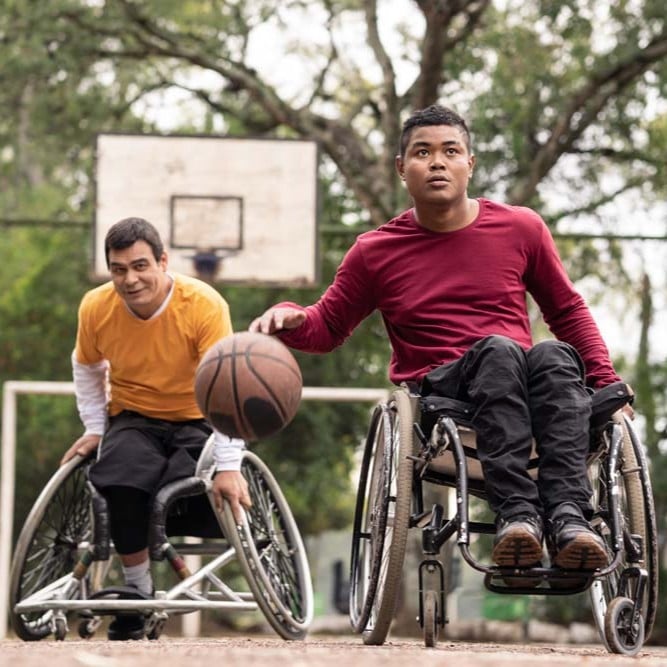
There is a critical need for equitable improvement in physical activity levels to benefit population health and wellbeing.3 Physical activity is important for priority populations for physical health and mental wellbeing, to strengthen social connection and inclusion, and to help reduce the individual, community and system-level barriers that limit participation.
Consider the case for change:
- Inequities exist in both physical activity participation and health.4 These inequities arise from the complex interactions between political, geographical, economic and structural factors, which underpin the social determinants of health. These determinants are broadly defined as the conditions in which people are born, grow, live, work and age, and people’s access to power, money and resources.5 Inequities in these determinants disproportionately affect some population groups and constrain their opportunities to be physically active.4
- Over the past 30 years Australia has seen a major shift in population demographics due to an ageing population, internal and overseas migration, urbanisation, and cultural diversity. For example, between 1994 and 2024, the proportion of people aged 65 years and over increased from 12% to 17%,6 and in 2022, 29.5% of people in Australia were born overseas.7 Overseas migration now accounts for more than half of population growth, and migrants typically settle in capital cities.6 Approximately one quarter of people in Australia use a language other than English at home.7 These shifts have influenced Australia's social, economic, and cultural landscape, and are important considerations for physical activity policy and practice.
- Priority populations experience an inequitable, and often avoidable, burden of heart disease and other chronic conditions.8 Data typically show that these groups have a greater risk of being insufficiently active than the general population, 9-14 though this varies within population subgroups.
- Inequities in physical activity and health are not experienced in isolation by different priority population groups. Individual social attributes and factors such as gender identity, socioeconomic position, and disability overlap and interact.15 This may influence and compound the inequalities in different physical activity contexts due to discrimination and marginalisation.16 It is important to employ an intersectional lens to identify and address the systems, structures and attitudes that create unique barriers to engaging in all forms of physical activity.16,17 Understanding the needs of priority populations will enable programs and strategies to be tailored to meet specific needs and lived experiences,3 ensuring the provision of inclusive opportunities for physical activity within the diverse communities in Australia.
What must be done to enable greater levels of physical activity among priority populations?
Inclusive programs and approaches in sport and physical activity are growing, but more is needed to provide equitable access and support. The recommendations below build on the evidence presented in this action area, including research on the social determinants of physical activity, intersectionality, co‑design and universal design, and on the programs that are working well. Where published evidence is limited, recommendations reflect expert consensus.
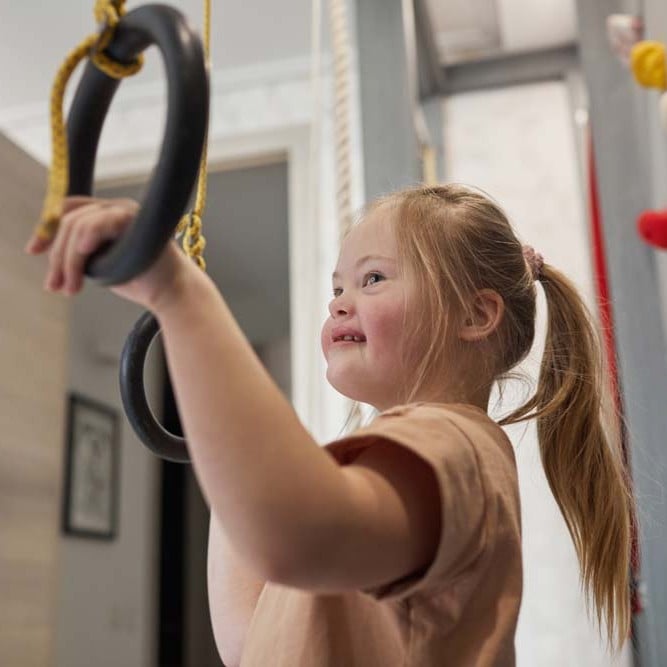
- There is a growing emphasis on inclusion in sport, particularly in programs targeting women and girls, LGBTIQA+ communities, and people with disability. For example, Dippers is an inclusive aquatic skills program for neurodivergent children run by Autism Swim through Surf Life Saving Clubs (see case study for more information).18 Effective models typically include partnerships which link local government, community health organisations, and sports clubs to deliver physical activity initiatives for priority populations.19 Resources have been developed in consultation with priority populations to support inclusion (e.g. Proud2Play20 and VicSport Rainbow Roadmap21 for LGBTIQA+ inclusion in sport) and cultural diversity (e.g. The Game Plan).22 These enable sporting organisations and communities to identify key target areas and develop different implementation strategies.
- Australian Government funding has been invested in equity-based sport and physical activity programs across Australia. This includes the $200 million Play Our Way sporting grant program,23 and funding to support the Heart Foundation’s National Physical Activity and Walking Initiative since 2017.24 These funding streams, and others, continue to provide dedicated support to ensure that access is targeted and focused on the needs of priority groups.
- There is increasing involvement of priority populations in the co-design of physical activity interventions that are safe, culturally responsive and sensitive, and are tailored to the needs of the community.25,26
- Universal design principles and policies have been developed to create environments that are usable and accessible for people of all ages, abilities, genders and cultural backgrounds.27-30 These principles were created to foster a culture of inclusive environments into compliance and regulations, with consumer involvement in the design of cities and neighbourhoods. Environments that include public open spaces, community facilities and buildings that are accessible, will encourage incidental and planned physical activity.31
- Citizen science approaches to urban design have created safer cities for women and girls. For example, an investment of $30 million over two years has been committed to address perceptions of safety in public and open spaces for women, girls and gender diverse people. Research will support creation of better public spaces to enhance safety in cities and towns through improved infrastructure, amenities and activations.32
- Participation in community initiated and community led physical activity and sport programs is increasing (e.g. parkrun,33 Fat Farmers Rural Health Initiative,34 and Climbing QTs35 an LGBTIQA+ social rock climbing and advocacy group). These programs provide supportive environments for diverse communities to be active and connect with others.
Case studies
The following case studies showcase inclusive, culturally safe, community-led and co-designed approaches that create welcoming environments for participation in physical activity for priority populations.
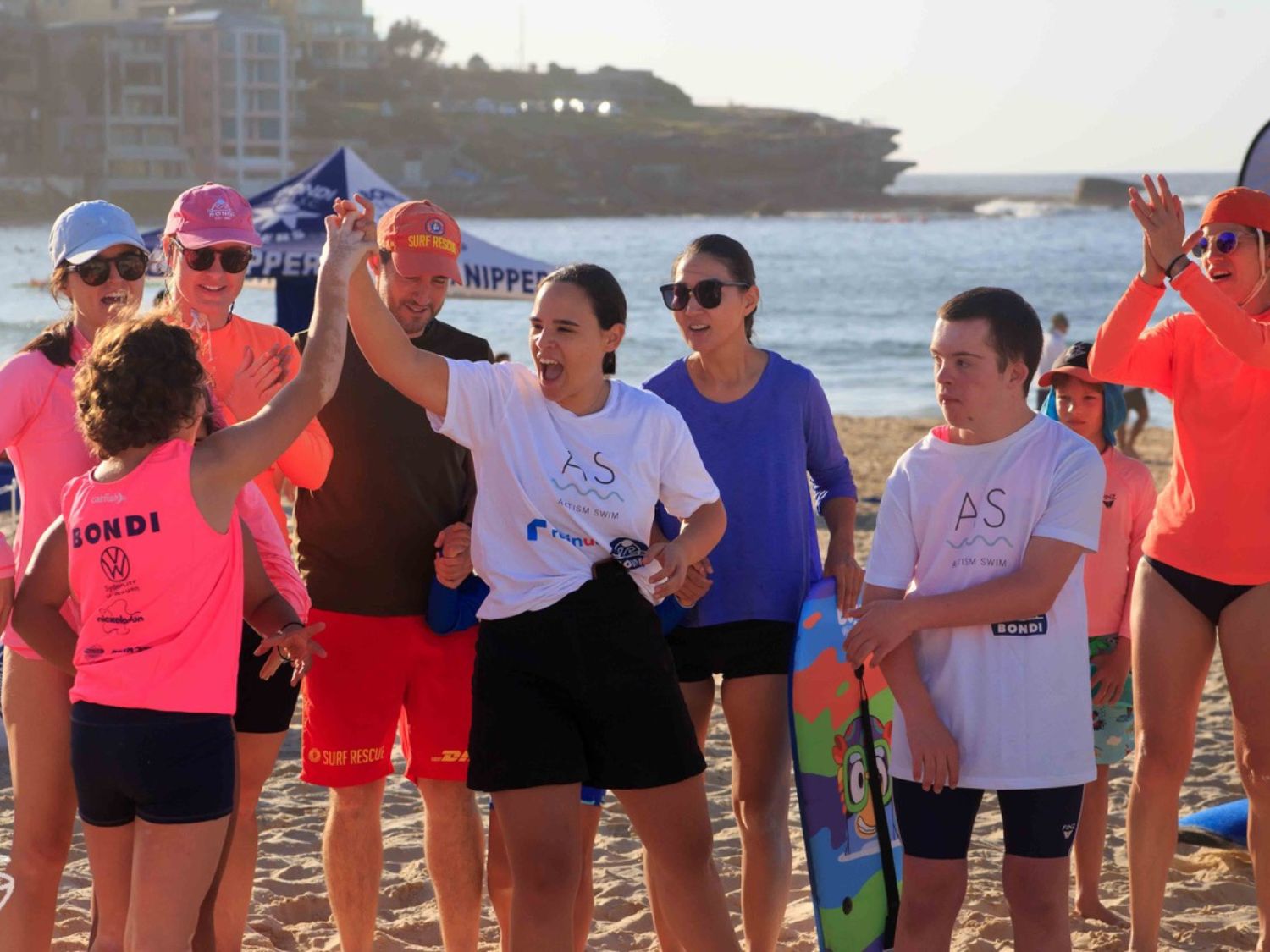
Dippers - Ocean confidence for neurodiverse children
An inclusive 8‑week surf education program run by Autism Swim, helping neurodivergent children to build water safety and confidence via clinician support and trained volunteers.
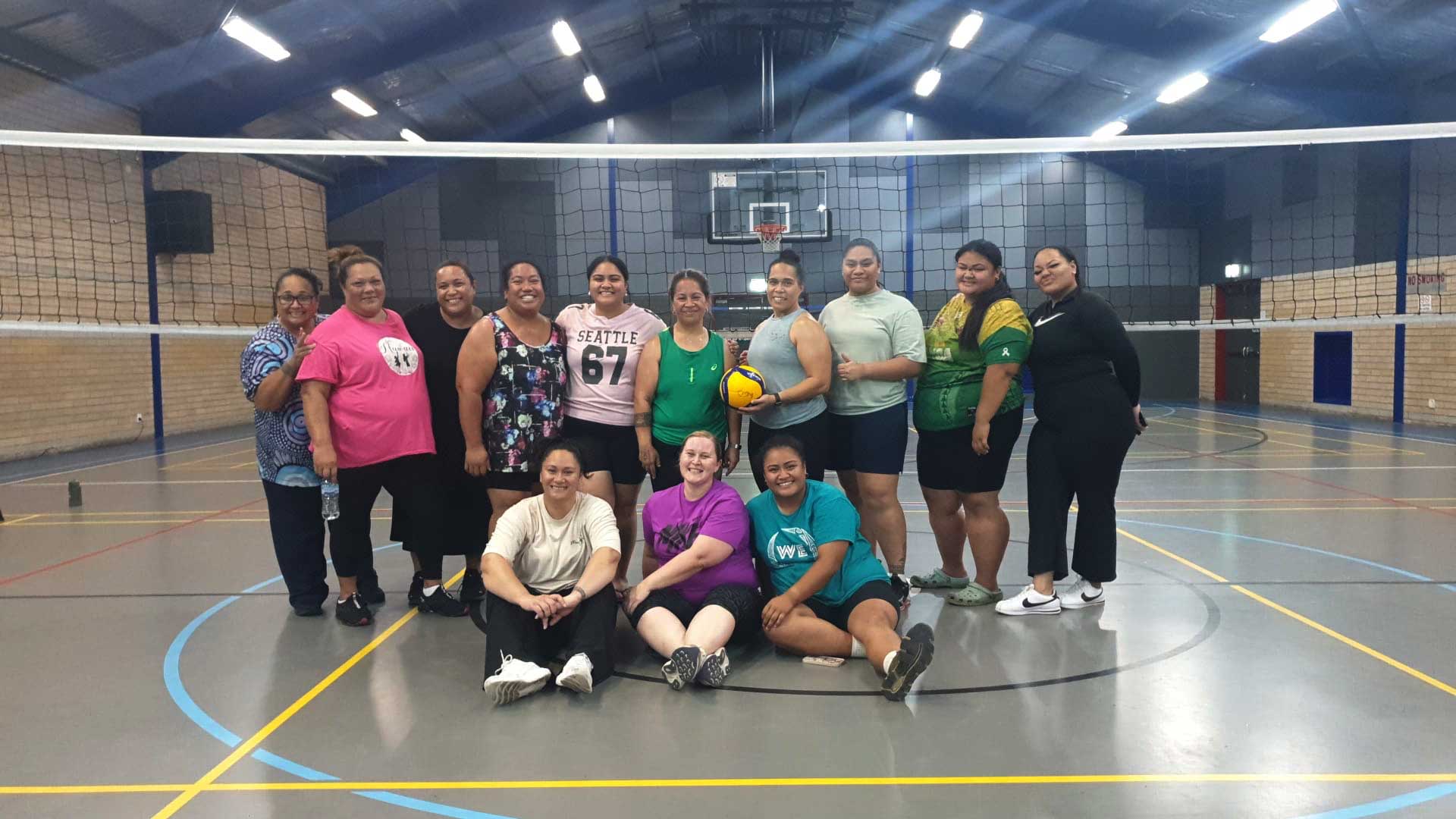
Pasifika moving: Co-designed physical activity with and for Pasifika mothers in Western Sydney
A culturally safe, co-designed physical activity program improving activity, wellbeing, connection and family health behaviours among Pasifika mothers in Western Sydney.
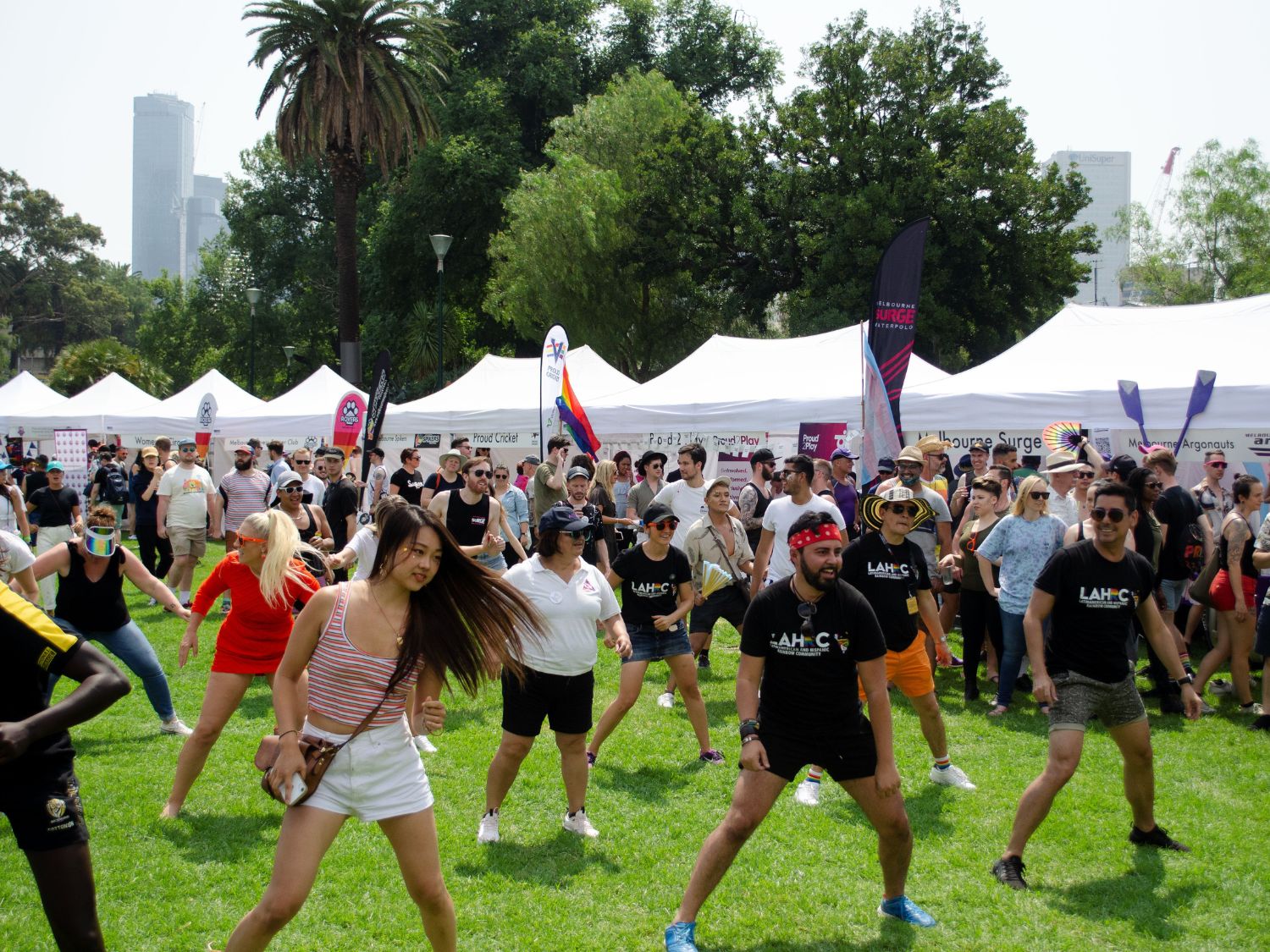
Rainbow Roadmap
The Rainbow Roadmap is a framework that helps sport organisations assess and embed LGBTQIA+ inclusion through consultation, training, policy and partnerships.
What must be done to enable greater levels of physical activity among priority populations?
Inclusive programs and approaches in sport and physical activity are growing, but more is needed to provide equitable access and support. The recommendations below build on the evidence presented in this action area, including research on the social determinants of physical activity, intersectionality, co‑design and universal design, and on the programs that are working well. Where published evidence is limited, recommendations reflect expert consensus.
Policy, practice and leadership
- Embed equity across all policy and planning decisions, considering intersecting forms of disadvantage such as gender, disability, geographic location, cultural background, or chronic health conditions. Inequities in the social determinants of health constrain opportunities to be active,4,5 and overlapping disadvantages can compound them.15-17
- Strengthen collaboration across health services, schools, industry, non-government organisations (NGOs) and communities to co‑design local, accessible physical activity initiatives in trusted community settings (e.g. schools, libraries, places of worship, cultural venues). Effective models link local government, community health organisations and sports clubs,19 and co‑designed interventions are safer and more culturally responsive.25,26
- Apply universal design principles to public spaces, parks, paths and facilities to ensure they are safe, welcoming and accessible for all ages, abilities and cultural backgrounds.27-32
- Co-design spaces and programs with priority populations and local and cultural leaders from the outset, using approaches such as citizen science, to understand barriers and create low- or no-cost, accessible and culturally relevant initiatives that communities own and sustain.’ 25,26,32
- Reorient service evaluation to monitor participation and impact in different populations, ensuring priority groups are involved in evaluation and that inequities are addressed.3,16,17,36
Workforce
- Invest in building a diverse, skilled workforce that reflects community diversity and has competencies in inclusive communication, cultural safety, trauma-informed practice and equitable program design.9,37
- Standardise training in cultural safety, accessibility and inclusive physical activity program delivery across all relevant workforce sectors.
Community awareness and engagement
- Tailor communication strategies and digital engagement tools to meet the needs of diverse communities, including those with low health or digital literacy.7 Around one quarter of people in Australia use a language other than English at home.7
- Ensure digital solutions are inclusive, accessible, affordable and functional in regional and remote areas, taking account of language, device access and connectivity barriers.9
Research, data and innovation
- A review of the evidence for this action area identified the following priorities for investment in research, data and innovation.
- Collect high-quality data on physical activity participation that can be disaggregated by relevant priority population characteristics, enabling inequities to be identified and intersectional analyses to be conducted.
- Investigate how intersectional disadvantage affects access to and engagement in physical activity.16
- Conduct audits of parks, recreational facilities and active transport infrastructure in low-income, remote and marginalised areas to guide equitable investment.
- Improve understanding of culturally safe and inclusive program delivery in mainstream sport and recreation settings.
- Explore the most effective community settings for place-based programs, including accessibility by active transport.
- Increase long-term investment in equity-focused research to understand cost-effectiveness, sustainability and impact of inclusive initiatives, and embed equity into funding and evaluation frameworks.
References
1. United Nations. Sustainable Development Goals. Accessed 6 July 2026. https://sdgs.un.org/goals
2. Australian Government, Department of Health, Disability and Ageing. National Strategic Framework for Chronic Conditions 2026–35. 2026. https://www.health.gov.au/resources/publications/national-strategic-framework-for-chronic-conditions
3. Ding D, Chastin S, Salvo D, et al. Realigning the physical activity research agenda for population health, equity, and wellbeing. Lancet. 2024;404(10451):411–414. doi:10.1016/S0140-6736(24)01540-X
4. World Health Organization. World report on social determinants of health equity. 2025. https://www.who.int/teams/social-determinants-of-health/equity-and-health/world-report-on-social-determinants-of-health-equity
5. World Health Organization. Operational framework for monitoring social determinants of health equity. 2024. https://www.who.int/publications/i/item/9789240088320
6. Australian Institute of Health and Welfare. Profile of Australia’s population. 2024. Accessed 14 April 2025. https://www.aihw.gov.au/reports/australias-health/profile-of-australias-population
7. Australian Bureau of Statistics. Cultural diversity of Australia. 2022. Accessed 14 April 2025. https://www.abs.gov.au/articles/cultural-diversity-australia
8. Ball K, Carver A, Jackson M, Downing K, O’Rourke K. Addressing the social determinants of inequities in physical activity and sedentary behaviours. Health Promot Int. 2015;30(suppl 2):ii8–ii19. doi:10.1093/heapro/dav022
9. Wang Q, Dowsey MM, Woodward-Kron R, O’Brien P, Hawke L, Bunzli S. Physical activity amongst culturally and linguistically diverse communities in Australia: a scoping review. Ethn Health. 2023;28(8):1195–1220. doi:10.1080/13557858.2023.2219874
10. Fortnum K, Gomersall SR, Ross MH, et al. 24-Hour movement behaviors of LGBTQA+ young people: a systematic review. J Phys Act Health. 2024;21(12):1308–1324. doi:10.1123/jpah.2024-0343
11. Paudel S, Veitch J, Mishra GD, Tooth LR, Hesketh KD. Prevalence and correlates of meeting physical activity and screen time guidelines among children of English- and non-English-speaking backgrounds in Australia. Child Care Health Dev. 2024;50(6):e700070. doi:10.1111/cch.70007
12. Australian Institute of Health and Welfare. Health of people with disability. 2024. https://www.aihw.gov.au/reports/australias-health/health-of-people-with-disability
13. Australian Institute of Health and Welfare. Physical activity. 2024. https://www.aihw.gov.au/reports/physical-activity/physical-activity
14. Austin F, Wright KE, Jackson B, Lin A, Schweizer K, Furzer BJ. A scoping review of trans and gender diverse children and adolescents’ experiences of physical activity, sport, and exercise participation. Ment Health Phys Act. 2024;26:100576. doi:10.1016/j.mhpa.2024.100576
15. Hankivsky O, Doyal L, Einstein G, et al. The odd couple: using biomedical and intersectional approaches to address health inequities. Glob Health Action. 2017;10(suppl 2):1326686. doi:10.1080/16549716.2017.1326686
16. Lee EY, Airton L, Lim H, Jung E. An urgent need for quantitative intersectionality in physical activity and health research. J Phys Act Health. 2023;20(2):97–99. doi:10.1123/jpah.2022-0639
17. Holman D, Salway S, Bell A, et al. Can intersectionality help with understanding and tackling health inequalities? Perspectives of professional stakeholders. Health Res Policy Syst. 2021;19(1):97. doi:10.1186/s12961-021-00742-w
18. Autism Swim. Dippers. Accessed 31 October 2025. https://autismswim.com.au/dippers/
19. Storr R, Knijnik J, Parry KD, Collinson A, Staples E. Developing LGBT+ inclusive supporter groups in the Big Bash League. Western Sydney University; 2019.
20. Proud2Play. Rainbow Ready Clubs. Accessed 17 October 2025. https://www.proud2play.org.au/rainbow-ready
21. Vicsport. Rainbow Roadmap. 2025. Accessed 17 October 2025. https://www.vicsport.com.au/inclusion/rainbow-roadmap
22. Centre for Multicultural Youth. Game Plan Resource Kit: supporting cultural diversity in sports clubs. 2015. https://cmy.wpenginepowered.com/wp-content/uploads/2019/12/Game-Plan-Resource-Kit_2015.pdf [PDF]
23. Australian Government, Department of Health, Disability and Ageing. Apply now for the $200 million Play Our Way Sport Grants. 2024. Accessed 31 October 2025. https://www.health.gov.au/ministers/the-hon-anika-wells-mp/media/apply-now-for-the-200-million-play-our-way-sport-grants
24. National Heart Foundation of Australia. Heart Foundation Walking. 2024. Accessed 15 October 2025. https://walking.heartfoundation.org.au/
25. Lederman O, Moors-Mailei A, Peacock Y, et al. Developing a co-designed, culturally responsive physical activity program for Pasifika communities in Western Sydney, Australia. Health Promot Int. 2025;40(1):daae197. doi:10.1093/heapro/daae197
26. McKeon G, Curtis J, Rostami R, et al. Co-designing a physical activity service for refugees and asylum seekers using an experience-based co-design framework. J Immigr Minor Health. 2024;26(4):674–688. doi:10.1007/s10903-024-01587-5
27. Victorian Health Building Authority. Universal design policy. 2021. https://www.vhba.vic.gov.au/sites/default/files/2021-06/VHBA-Universal-Design-Policy-updated-FINAL-JUNE2021_0.pdf [PDF]
28. Gupta A, Yadav M, Nayak BK. A systematic literature review on inclusive public open spaces: accessibility standards and universal design principles. Urban Sci. 2025;9(6):181. doi:10.3390/urbansci9060181
29. Badland H, Villanueva K, Dearn E, Alderton A. Do Australian disability policies support accessible and inclusive neighbourhoods for children with disability and their families? Urban Policy and Research. 2025;doi:10.1080/08111146.2025.2541172
30. Moore A, Boyle B, Lynch H. Designing for inclusion in public playgrounds: a scoping review of definitions, and utilization of universal design. Disabil Rehabil Assist Technol. 2023;18(8):1453–1465. doi:10.1080/17483107.2021.2022788
31. Wood AM, Vasey T, Carroll SJ. Supporting active living in neighbourhoods of lower socioeconomic advantage: a rapid review of the literature and insights from workshops in three Australian communities of lower socioeconomic advantage. 2024. https://www.healthyactivebydesign.com.au/walkability-in-less-advantaged-areas
32. NSW Government, Transport for NSW. Safer Cities survey report: perceptions of safety in public spaces and transport hubs across NSW. 2023. https://www.transport.nsw.gov.au/system/files/media/documents/2023/Safer-Cities_Survey-Report_0.pdf [PDF]
33. Grunseit AC, Richards J, Reece L, Bauman A, Merom D. Evidence on the reach and impact of the social physical activity phenomenon parkrun: a scoping review. Prev Med Rep. 2020;20:101231. doi:10.1016/j.pmedr.2020.101231
34. Fat Farmers Rural Health Initiative. Fat Farmers: Rural Health Initiative. 2025. Accessed 31 October 2025. https://www.fatfarmers.com/
35. ClimbingQTs. Hey, Cutie! Welcome to the club. Accessed 31 October 2025. https://climbingqts.com/
36. Kosowan L, Shannon S, Rothney J, et al. Informing the physical activity evaluation framework: a scoping review of reviews. Am J Health Promot. 2022;36(2):340-366. doi:10.1177/08901171211050059
37. Hawkins G, Malatzky C, Wilson S, Dingle K. Exploring the gap between refugee-background communities’ needs and existing community-based physical activity programs in Australia. Health Promot Int. 2023;38(3):daad039. doi:10.1093/heapro/daad039
Heart Foundation related information for priority populations

Aboriginal and Torres Strait Islander peoples
Built environments