The Australian Physical Literacy Framework and its translation into the National Sport System
Blueprint for an Active Australia
/
/
The Australian Physical Literacy Framework and its translation into the National Sport System
Background & rationale
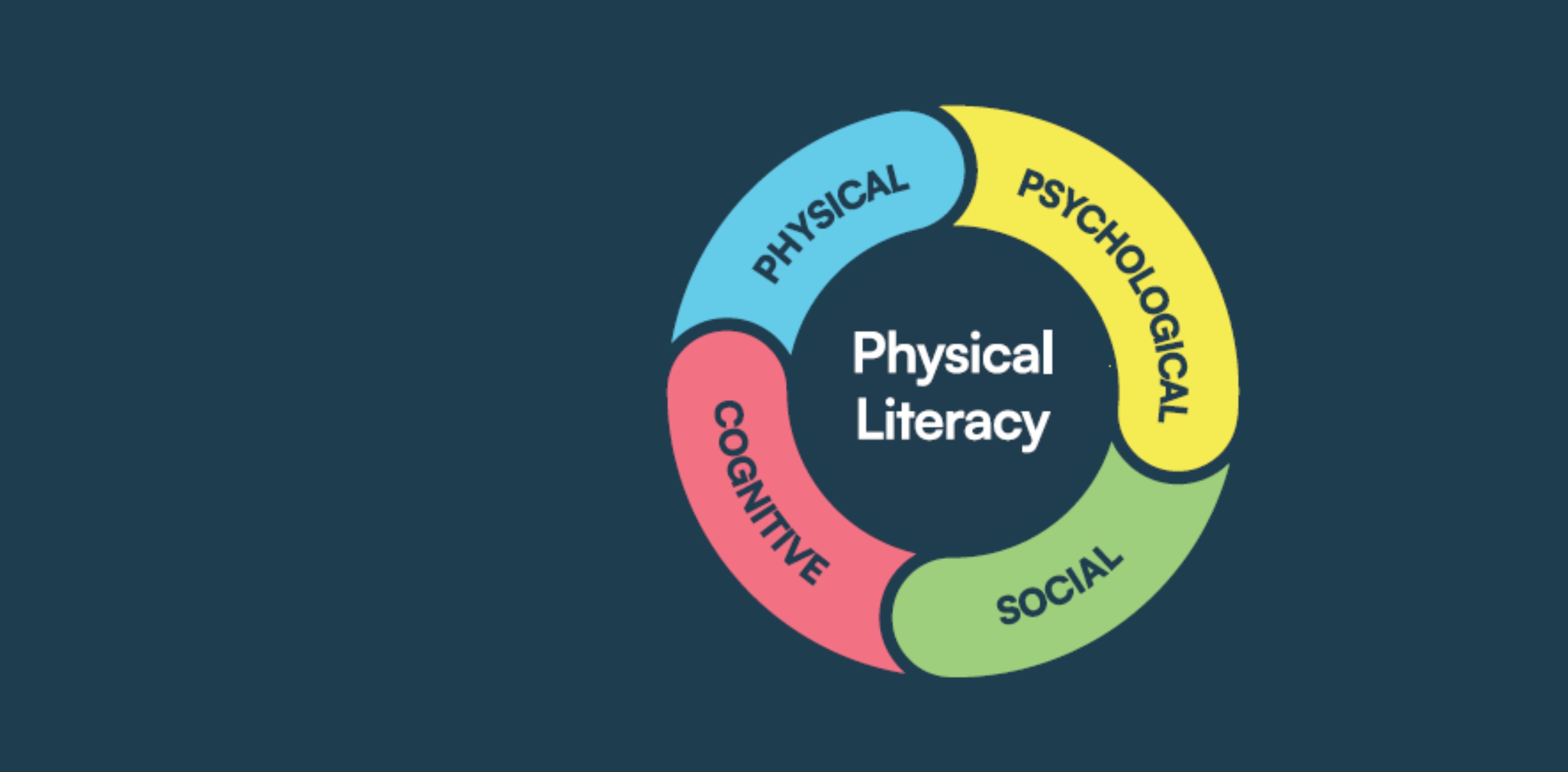
Just as children need to be taught the alphabet to read, they need ‘physical literacy’ to realise their movement potential. In 2016, the Australian Sports Commission (ASC) took a leadership role by creating a definition for physical literacy that resonated in the Australian context. The ASC commissioned University of Canberra’s Dr Keegan, Deakin University’s Dr Barnett, and Macquarie University’s Dr Dudley to lead development of the Australian Physical Literacy Framework. They worked closely with selected representatives from nine Australian universities and four international institutions. Together they defined physical literacy as the integration of physical, psychological, cognitive and social capabilities that help us live active, healthy and fulfilling lifestyles.
The Australian Government prioritised physical literacy in the Sport 2030 plan launched in 2018 by the Minister for Sport. In 2019, the ASC released the Australian Physical Literacy Framework (APLF) and their Physical Literacy Position Statement arising from this collaborative work that was endorsed by over 60 sport organisations, physical activity providers and peak government bodies. Resources to activate a physical literacy approach generally and within sports were also developed and housed on the ASC website (e.g. explainer video on physical literacy, Physical Literacy Program Alignment Guidelines targeting sport and physical activity providers, Physical Literacy Guide for Clubs and Benefits for Clubs). The ASC promoted these resources throughout 2019 but shifted focus in 2020 to support the sport sector to navigate the impact of the COVID-19 pandemic. While the resources remained available, they were not actively promoted. In 2024, the ASC renewed its focus on supporting people in Australia to develop their physical literacy and established a national Physical Literacy Coalition as part of the PlayWell strategy. This case study focuses on the impact of the physical literacy sport specific resources on Australian National Sporting Organisations (NSOs).
Outcomes and impact
The ASC and Deakin University collaborated to assess the impact of the APLF and the sport-specific physical literacy resources on NSOs. All 36 NSOs which endorsed the framework in 2019 were contacted in 2025. First analysis of the NSO’s websites showed that around a fifth (22%) explicitly mentioned the term physical literacy. NSOs more frequently highlighted how their sport practices nurtured social and psychological skills rather than physical and especially cognitive skills. An online survey revealed that the concept of physical literacy was explicitly mentioned in the coaching material of 8 of the 20 responding NSOs (40%). Cognitive skills (e.g. safety/risk management) were most frequently addressed, followed by physical skills (e.g. ball handling), social skills (e.g. respectful relationships), and psychological skills (e.g. enjoyment). Post survey, interviews were led with nine purposely selected NSOs. NSO representatives recognised the value of the APLF for sports coaches, especially in coaching children. About half the participants talked about how physical literacy aligns with the ASC’s modern coaching approach, which emphasises participant-centred practices. Most NSO representatives spoke about how physical literacy concepts are implicitly embedded in coaching materials – rather than explicitly. Overall, an increasing number of NSOs have integrated key elements of the APLF into their strategies, coaching education and practices.
Investment and funding
From 2017–2019 the ASC invested in the equivalent of 4 full time staff to lead the development of the APLF and the associated resources for sport and education. Project investment also supported the engagement of the expert research team and cross-sector stakeholder engagement. Funding was provided by the ASC in 2024–2025 to undertake this review of the impact of the APLF on sport policy and practice.
Enablers and lessons learned
This is the first evidence internationally of the impact of a national government physical literacy initiative on sporting practices. Despite the ASC only actively promoting these resources for 2 years, there was evidence of physical literacy approaches (both explicit and implicit) in the sporting codes. The evaluation shows that a low-level national promotion by government can result in national changes to NSO practice. Drawing on multiple data sources enabled a comprehensive view on the policies and practices of NSOs. For more comprehensive adoption, there needs to be continued promotion of resources as well as other strategies such as targeted case studies and specific examples tailored to each sport to help adoption. A tailored national implementation strategy could support further integration of holistic physical activity into the wider sport system. Future studies should delve into state/regional situations to more deeply examine the impact of the APLF, as the situation might vary across Australia.
Further Information
Website:
Last updated21 October 2026