Get the Blueprint
Blueprint 4th edition (PDF or Print) - Register your interest

Blueprint for an Active Australia
Action area 3: Aboriginal and Torres Strait Islander peoples
Authors: Rona Macniven, Tiana Thorne, Peter McCue, Karla Canuto.
Key messages
Physical activity is embedded in Aboriginal and Torres Strait Islander traditional practices and customary activities. Participation in physical activity strengthens cultural and interpersonal connections and improves the physical and mental health of Aboriginal and Torres Strait Islander peoples. However, most Aboriginal and Torres Strait Islander adults do not meet physical activity recommendations, and racism can be a barrier to being physically active. Culturally safe, community-led programs and Aboriginal and Torres Strait Islander sporting teams can provide safe spaces to be active.
A variety of physical activity policies, programs and initiatives are working well for Aboriginal and Torres Strait Islander peoples. For example, gyms and supporting environments for physical activity often exist within Aboriginal Community Controlled Health Organisations and there is a long history of traditional Indigenous games. However, more work is needed to support physical activity for Aboriginal and Torres Strait Islander peoples.
Strategic priorities
Key strategic priorities that can make impactful change for Aboriginal and Torres Strait Islander peoples:
- Policies, programs and environments must be designed by and with Aboriginal and Torres Strait Islander peoples to ensure they are strengths-based, safe and engaging.
- Provide affordable, accessible and culturally safe opportunities and programs which meet community-driven needs, support innovation and ensure sustainability for long-term impact.
Sustainable Development Goals
The United Nations Sustainable Development Goals1 that relate to physical activity in Aboriginal and Torres Strait Islander peoples include:
For more information see Appendix 1
Why is physical activity important for Aboriginal and Torres Strait Islander peoples?
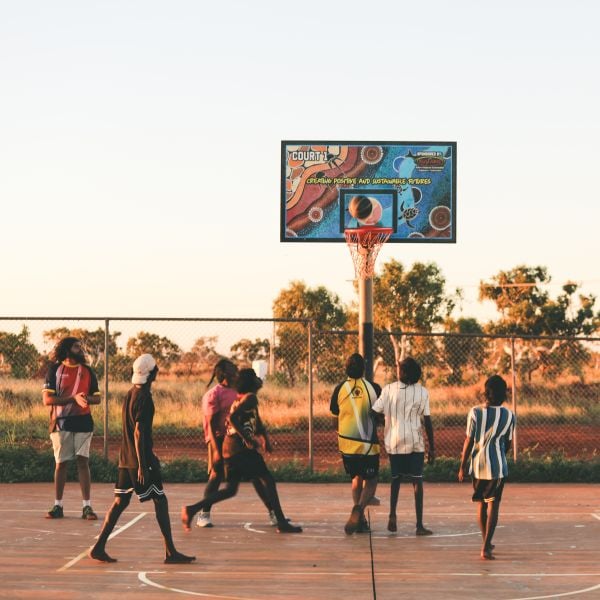
Physical activity is embedded in Aboriginal and Torres Strait Islander traditional practices and customary activities. Physical activity strengthens connection with Country through activities such as fishing and hunting, as well as organised and informal sport participation, and has strong cultural relevance in Australia today.2
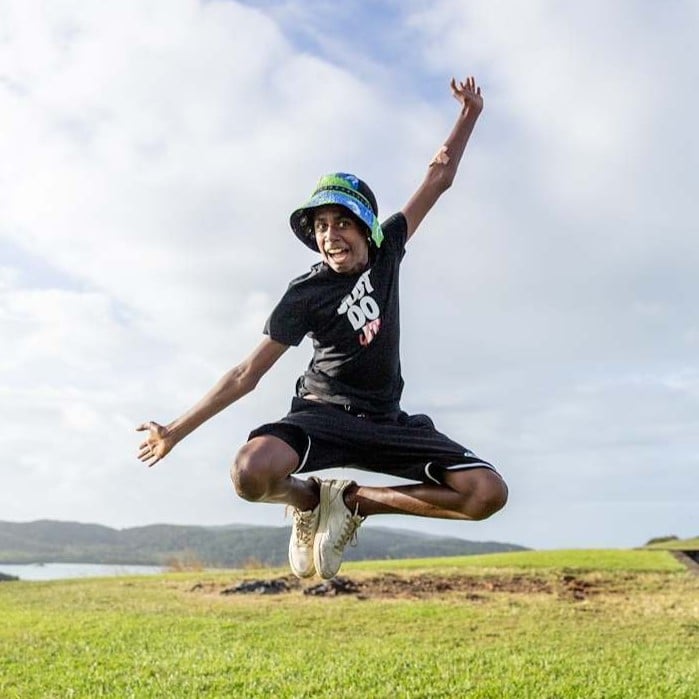
Yet most Aboriginal and Torres Strait Islander people do not meet physical activity recommendations, which increases their risk of chronic conditions and poor health. Research has found that racism can sometimes be a barrier to being active.3
Consider the case for change:
- Physical inactivity is a modifiable risk factor for many chronic conditions, which are experienced by Aboriginal and Torres Strait Islander peoples at unacceptable rates.4 Mortality rates from cardiovascular disease for 2015–2019 were 1.5 times higher in Aboriginal and Torres Strait Islander peoples than in other people living in Australia.5
- Data from 2012–13 show that Aboriginal and Torres Strait Islander children (aged 5–17 years) were more physically active than other children in Australia.6 However, the latest data for adults (2022–2023) show that only 18% of Aboriginal and Torres Strait Islander adults in non-remote areas meet the physical activity guidelines7,8 compared with 25% of adults in the general population.9
- Aboriginal and Torres Strait Islander women have lower physical activity levels than men (14% of women and 22% of men).7,8 Research shows that women often face barriers to physical activity due to their leading roles in community (including in politics, economics, health, education, legal aid agencies, and land councils), and their significant roles within the family. This can result in the perception that they do not have the freedom, energy or time for physical activity.10
- Physical activity, especially through sport participation, improves physical and mental health, as well as broader social outcomes relating to education, employment and social connectedness.11
- Physical activity improves and is a protective factor for social and emotional wellbeing for Aboriginal and Torres Strait Islander peoples of all ages through increased connection to culture, improved self-confidence, self-esteem and pride, and stress reduction.11,12
- Racism can be a barrier to physical activity participation for Aboriginal and Torres Strait Islander peoples.3 Promoting interpersonal connections, while addressing racism facilitates physical activity participation,3 and Aboriginal and Torres Strait Islander specific programs and sporting teams provide safe spaces to be active.10
What is working well to enable physical activity among Aboriginal and Torres Strait Islander peoples?
The following examples showcase physical activity policies and initiatives that work well for Aboriginal and Torres Strait Islander peoples:
- The National Agreement on Closing the Gap has been created to enable Aboriginal and Torres Strait Islander peoples and governments to work together to overcome inequality and improve life outcomes for Aboriginal and Torres Strait Islander people.13 While progress on many Closing the Gap targets remains slower than needed, the National Agreement provides a shared, formal commitment by governments and Aboriginal and Torres Strait Islander community-controlled organisations, with clear targets, accountability and a focus on First Nations‑led solutions. This creates policy and funding opportunities that can support physical activity. The Agreement involves formal partnerships, community-controlled sectors, government organisations and improved data access. It includes 19 socioeconomic targets across 17 socioeconomic outcome areas. Five of these outcome areas are relevant to physical activity. These include:
1) Everyone enjoys long and healthy lives
4) Children thrive in their early years
14) People enjoy high levels of social and emotional wellbeing
15) People maintain a distinctive cultural, spiritual, physical and economic relationship with their land and waters
16) Cultures and languages are strong, supported and flourishing.
- Physical activity programs that have focused on Closing the Gap priority actions within Aboriginal and Torres Strait Islander communities include dedicated Australian Football League (AFL) programs in the Northern Territory and a Sport4All pilot project.14,15
- AFL Play provides a dedicated national game development plan (Aboriginal and Torres Strait Islander Action Plan 2025–2028) that has been adopted from programs across the Northern Territory.16 The strategy will focus on working directly with community and Indigenous organisations to increase access to the game and provide greater opportunities for participation.
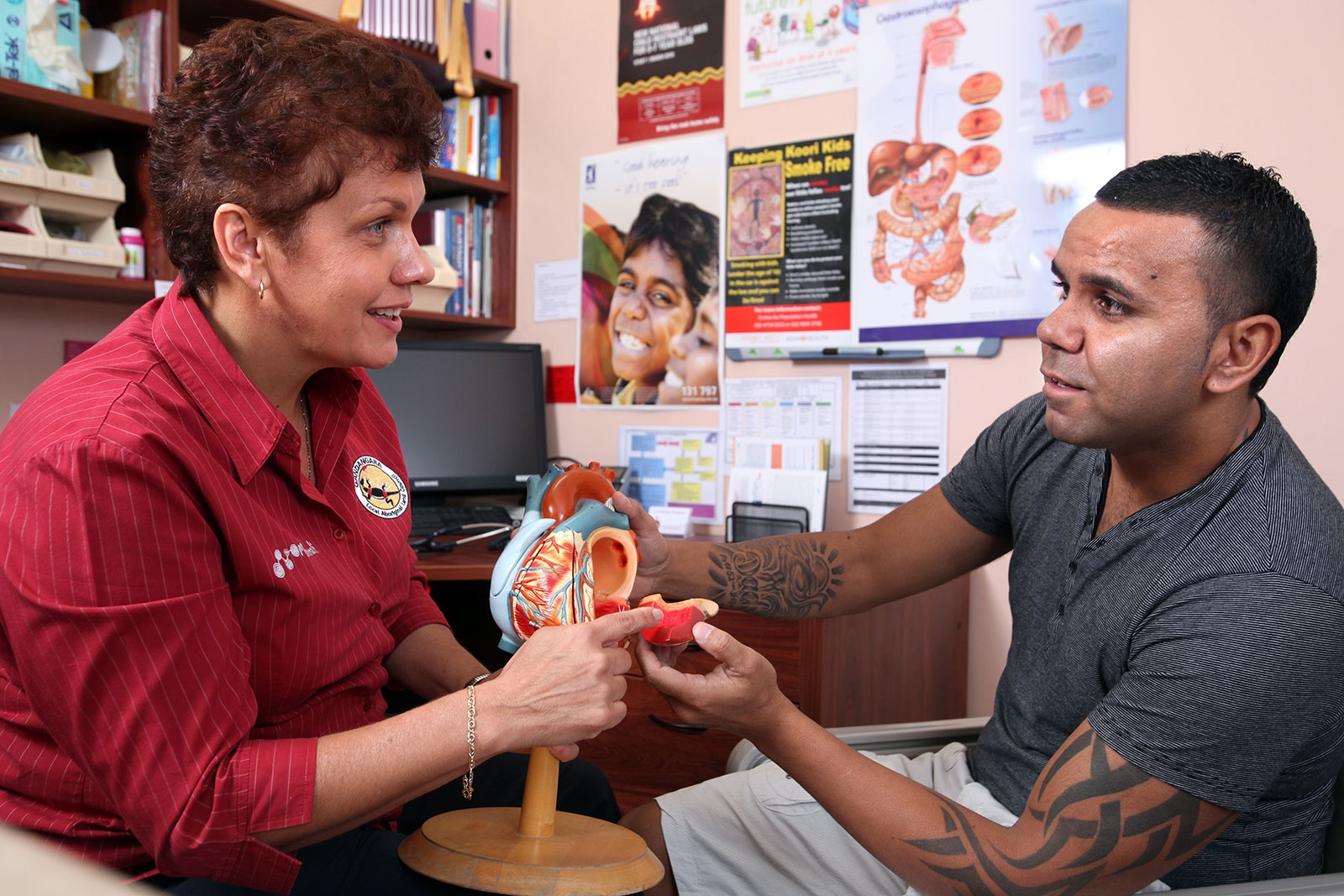
- Gyms and other facilities and environments for physical activity within Aboriginal Community Controlled Health Services (ACCHS) provide inclusive, culturally safe opportunities for physical activity.17
- There is a long history of traditional Indigenous games being played for enjoyment, to enhance physical fitness for survival and to provide opportunities to learn, appreciate, and experience Aboriginal and Torres Strait Islander culture and improve social interaction.18
Case studies
The following case studies showcase Aboriginal and Torres Strait Islander community-led, culturally safe programs that are working well to support physical activity, connection to culture, health and wellbeing for Aboriginal and Torres Strait Islander peoples.
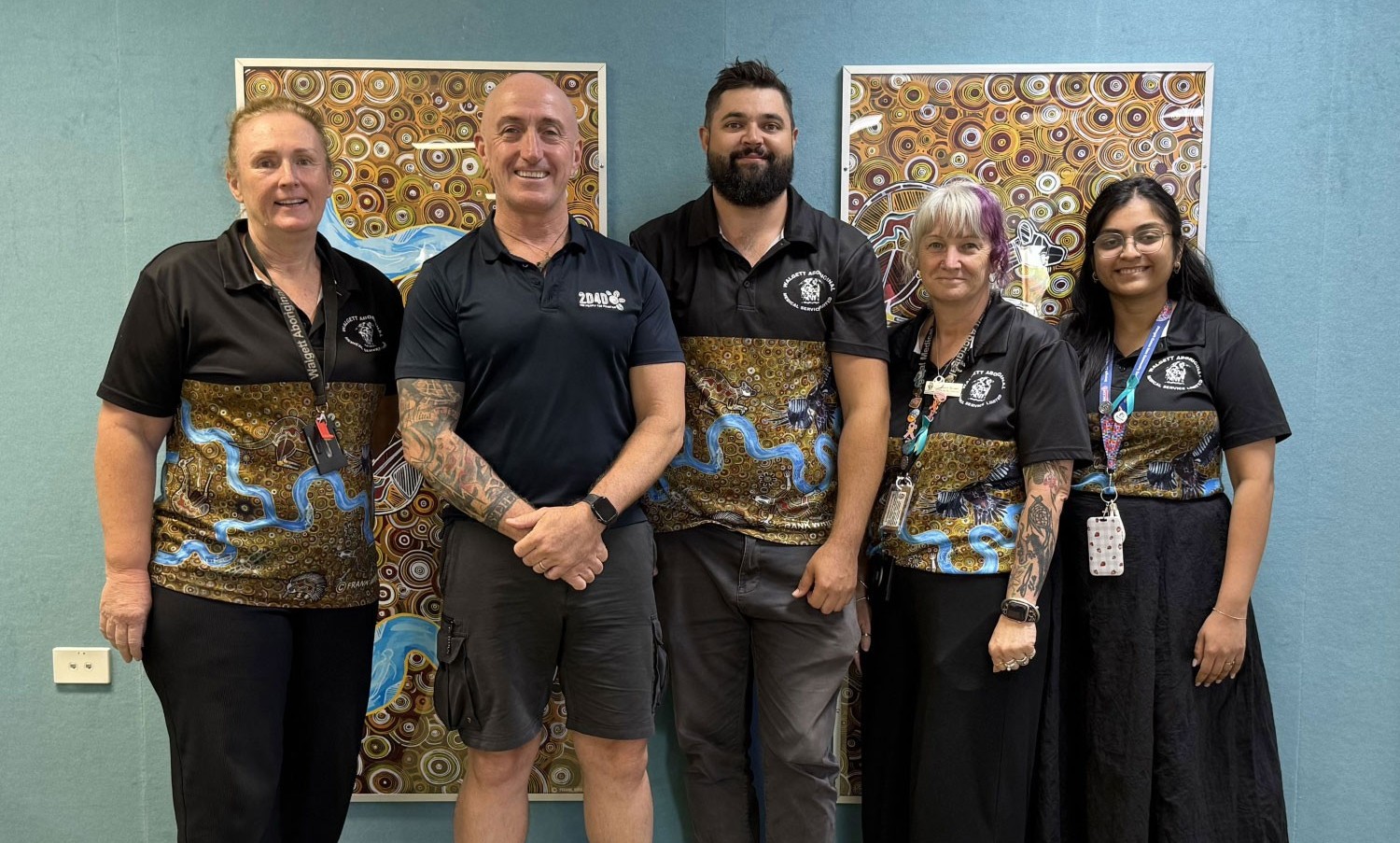
Too deadly for diabetes
Too Deadly for Diabetes is a culturally safe, Aboriginal-led program helping First Nations people manage type 2 diabetes through exercise.
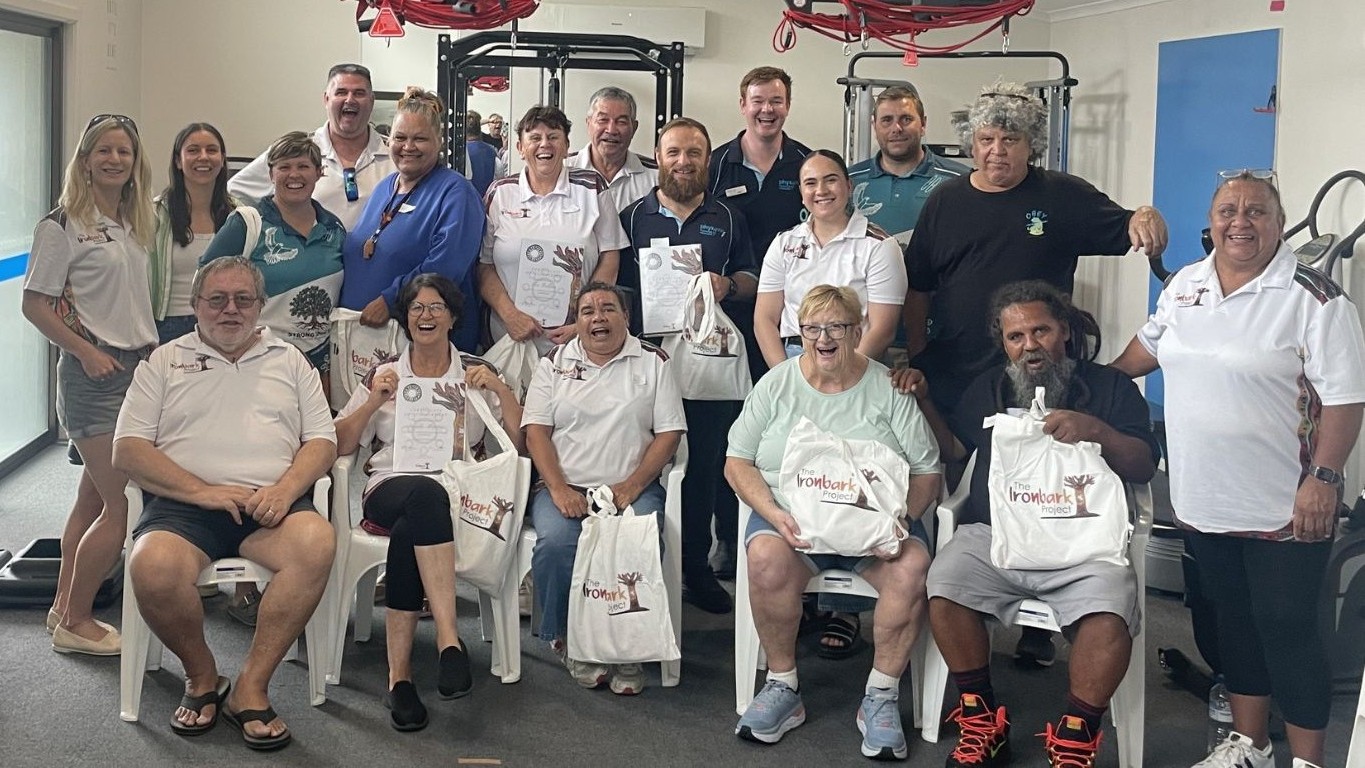
Ironbark Standing Strong and Tall falls prevention program
An Aboriginal co-designed falls-prevention program for older First Nations people, improving strength, balance and wellbeing through weekly exercise and yarning.
What must be done to enable physical activity participation among Aboriginal and Torres Strait Islander peoples?
A number of policies and initiatives are working well to support physical activity among Aboriginal and Torres Strait Islander peoples, though more are needed. The recommendations below build on the evidence presented in this action area and are grounded in the Priority Reforms of the National Agreement on Closing the Gap, particularly shared decision-making and community control.
They draw on peer-reviewed research, evaluations of community programs, and the knowledge and expertise of Aboriginal and Torres Strait Islander communities and community-controlled organisations. Where published evidence is limited, recommendations reflect the consensus of Aboriginal and Torres Strait Islander authors and expert contributors. The following strategies are recommended to support the development of culturally appropriate opportunities for physical activity for Aboriginal and Torres Strait Islander peoples.
Policy, practice and leadership
- Co-design policies and programs at federal, state/territory and local levels in genuine partnership with Aboriginal and Torres Strait Islander peoples, ensuring they are strengths-based, culturally grounded and safe.13
- Enhance and sustain funding streams to support physical activity programs that are known to be effective, culturally safe, enjoyable and engaging, while enabling innovation and community-driven solutions.11,12 Examples include dedicated AFL programs in the Northern Territory, the Sport4All pilot and facilities within Aboriginal Community Controlled Health Services.14,15,17
- Position Aboriginal and Torres Strait Islander leadership at the centre of decision-making to ensure all initiatives reflect local priorities, protocols and cultural contexts.13
- Governments and health agencies should co-design with communities simple, clear, and culturally appropriate messaging that promotes the physical activity guidelines and the benefits of being physically active across the life course.2,11,12
Organisation and service delivery
- Strengthen access to allied health and physical activity professionals (exercise physiologists, physiotherapists, sport coaches, fitness leaders) through better funding, service models and partnerships with Aboriginal and Torres Strait Islander health services.17
- Support individuals and groups with culturally safe, affordable and accessible services that make physical activity a routine part of health and wellbeing.17
- Health promotion agencies should work with local councils and local communities to implement culturally relevant social and community programs to promote participation across the life course.11,12
Urban design and planning
- Co-develop culturally relevant environments for physical activity, including affordable sport and recreation facilities, safe walking and cycling infrastructure, shaded open spaces, including blue and green space, waterplay and swimming facilities and multipurpose spaces – adapted to local climate and community needs.2,3
- Create supportive, inclusive environments that connect people to culture and place, while reducing barriers to participation in diverse geographic contexts, including remote, island and urban sprawl areas.
Workforce
- Invest in and strengthen skills and pathways for Aboriginal and Torres Strait Islander peoples to design, deliver and sustain local initiatives. Expand and support (i.e. through funding) access to training for Aboriginal and Torres Strait Islander people as health and physical activity professionals (e.g. physiotherapists, exercise physiologists and fitness leaders) as well as training and support for Aboriginal and Torres Strait Islander health workers and health practitioners, social workers, and those in childcare and aged care to provide support and advice on being physically active.19-22
Community awareness and engagement
- Enable Aboriginal and Torres Strait Islander leadership in the design and delivery of programs, including cultural activities such as traditional Indigenous games and dance, tailored to gender, age and community group needs.10,18
- Promote intergenerational and lifelong participation through local, engaging and enjoyable activities that are accessible and inclusive.11,12
- Strengthen communities by ensuring physical activity initiatives reflect culture, traditions and lived experience, creating long-term ownership and sustainability. Physical activity is embedded in traditional practices and strengthens connection with Country and culture.2,18
- Deliver culturally appropriate messaging that promotes physical activity guidelines and benefits in ways that resonate with Aboriginal and Torres Strait Islander peoples, families and communities.2,11,12
- Use strengths-based communication to inspire participation and highlight physical activity as a pathway to wellbeing, identity and community connection.2,11,12
- Ensure there is continued community input and ongoing accessibility for Aboriginal and Torres Strait Islander peoples to participate in affordable and socially and culturally accessible programs.
Research, data and innovation
- A review of the evidence for this action area identified the following priorities for investment in research, data and innovation.
- Update national datasets on Aboriginal and Torres Strait Islander physical activity and health, especially for remote communities, guided by Indigenous data sovereignty principles.
- Evaluate programs and share findings widely, including in grey literature, to reach practitioners, communities and policymakers.23
- Integrate evaluation into program design to assess participation, cultural appropriateness, health outcomes and sustainability.
- Build a strong, culturally owned evidence base that informs better practice, supports advocacy and drives continuous improvement.
References
1. United Nations. Sustainable Development Goals. Accessed 6 July 2026. https://sdgs.un.org/goals
2. Macniven R, Tishler X, McKeon G, Bullen J, Biles B. Physical activity and the social and emotional wellbeing of First Nations People. 2023. https://www.aihw.gov.au/reports/indigenous-mental-health-suicide-prevention/physical-activity-and-the-social-and-emotional-wel/abstract
3. Allen B, Canuto K, Evans JR, et al. Facilitators and barriers to physical activity and sport participation experienced by Aboriginal and Torres Strait Islander adults: a mixed method review. Int J Environ Res Public Health. 2021;18(18):9893. doi:10.3390/ijerph18189893
4. Durbin M, Parnell A, Potter C, Poynton M, Tarrant H, Uink B. Overview of Aboriginal and Torres Strait Islander health status 2023. 2024. https://healthinfonet.ecu.edu.au/learn/health-facts/overview-aboriginal-torres-strait-islander-health-status/
5. Australian Institute of Health and Welfare & National Indigenous Australians Agency. Measure 1.05 Cardiovascular disease, Aboriginal and Torres Strait Islander Health Performance Framework. 2023. Accessed 20 October 2025. https://www.indigenoushpf.gov.au/measures/1-05-cardiovascular-disease
6. Australian Bureau of Statistics. Australian Aboriginal and Torres Strait Islander Health Survey: physical activity, 2012–13. 2014. Accessed 22 June 2026. https://www.abs.gov.au/ausstats/abs@.nsf/Lookup/4727.0.55.004main+features12012-13
7. Australian Bureau of Statistics. National Aboriginal and Torres Strait Islander Health Survey, 2022–23. 2024. Accessed 20 October 2025. https://www.abs.gov.au/statistics/people/aboriginal-and-torres-strait-islander-peoples/national-aboriginal-and-torres-strait-islander-health-survey/latest-release
8. Australian Bureau of Statistics. Data from: Table 22.3 Physical activity, by age and sex, Aboriginal and Torres Strait Islander persons in non-remote areas aged 15 years and over, 2022–23, proportions. 2024. https://www.abs.gov.au/statistics/people/aboriginal-and-torres-strait-islander-peoples/national-aboriginal-and-torres-strait-islander-health-survey/2022-23#data-downloads
9. Australian Bureau of Statistics. Data from: Table 11.3 Physical activity, by age and sex, Persons aged 15 years and over, Proportion. 2022. https://www.abs.gov.au/statistics/health/health-conditions-and-risks/national-health-survey/2022#data-downloads
10. Thorne T, Taylor S, Canuto K, Leicht AS. Identifying barriers and facilitators to physical activity and perceptions of Traditional Indigenous Games among Aboriginal and Torres Strait Islander women: a qualitative study. Health Promot Int. 2024;39(4):daae108. doi:10.1093/heapro/daae108
11. Macniven R, Canuto K, Wilson R, Bauman A, Evans J. The impact of physical activity and sport on social outcomes among Aboriginal and Torres Strait Islander People: a systematic scoping review. J Sci Med Sport. 2019;22(11):1232–1242. doi:10.1016/j.jsams.2019.06.017
12. English M, Wallace L, Evans J, Diamond S, Caperchione CM. The impact of sport and physical activity programs on the mental health and social and emotional wellbeing of young Aboriginal and Torres Strait Islander Australians: a systematic review. Prev Med Rep. 2021;25:101676. doi:10.1016/j.pmedr.2021.101676
13. Commonwealth of Australia, Department of Prime Minister and Cabinet. National Agreement on Closing the Gap. 2020. https://www.closingthegap.gov.au/national-agreement
14. Sport4All. Sport4All program. 2025. Accessed 19 June 2026. https://sport4all.com.au/the-program/
15. Michael Long Foundation. Remote football projects. 2025. Accessed 19 June 2026. https://www.michaellongfoundation.org.au/programs/remote-football-projects
16. AFL Play. Indigenous. Accessed 19 June 2026. https://play.afl/indigenous
17. Pearson O, Schwartzkopff K, Dawson A, et al. Aboriginal community controlled health organisations address health equity through action on the social determinants of health of Aboriginal and Torres Strait Islander Peoples in Australia. BMC Public Health. 2020;20(1):1859. doi:10.1186/s12889-020-09943-4
18. Thorne T, Leicht AS. Psycho-physical demands of Traditional Indigenous Games played by Aboriginal and Torres Strait Islander women. J Sci Med Sport. 2025;28(7):577–580. doi:10.1016/j.jsams.2025.03.001
19. Ivers R, Clapham K, Ryder C, et al. Standing strong and tall – improving mobility and balance in older Aboriginal people through the Ironbark program. Age Ageing. 2026;55(9):afag264. doi:10.1093/ageing/afag264
20. Power T, East L, Gao Y, Usher K, Jackson D. A mixed-methods evaluation of an urban Aboriginal diabetes lifestyle program. Aust N Z J Public Health. 2021;45(2):143–149. doi:10.1111/1753-6405.13092
21. Australian Government, Department of Health, Disability and Ageing. National Aboriginal and Torres Strait Islander Health Workforce Strategic Framework and Implementation Plan 2021–2031. 2022. https://www.health.gov.au/resources/publications/national-aboriginal-and-torres-strait-islander-health-workforce-strategic-framework-and-implementation-plan-2021-2031
22. Pearson O, Othman S, Colmer K, et al. Supporting best practice in the management of chronic diseases in primary health care settings: a scoping review of training programs for Indigenous Health Workers and Practitioners. Aust J Prim Health. 2024;30:PY23124. doi:10.1071/py23124
23. Macniven R, Elwell M, Ride K, Bauman A, Richards J. A snapshot of physical activity programs targeting Aboriginal and Torres Strait Islander People in Australia. Health Promot J Austr. 2017;28(3):185–206. doi:10.1071/HE16036
Heart Foundation related information for Aboriginal and Torres Strait Islander peoples
Older adults
Priority populations