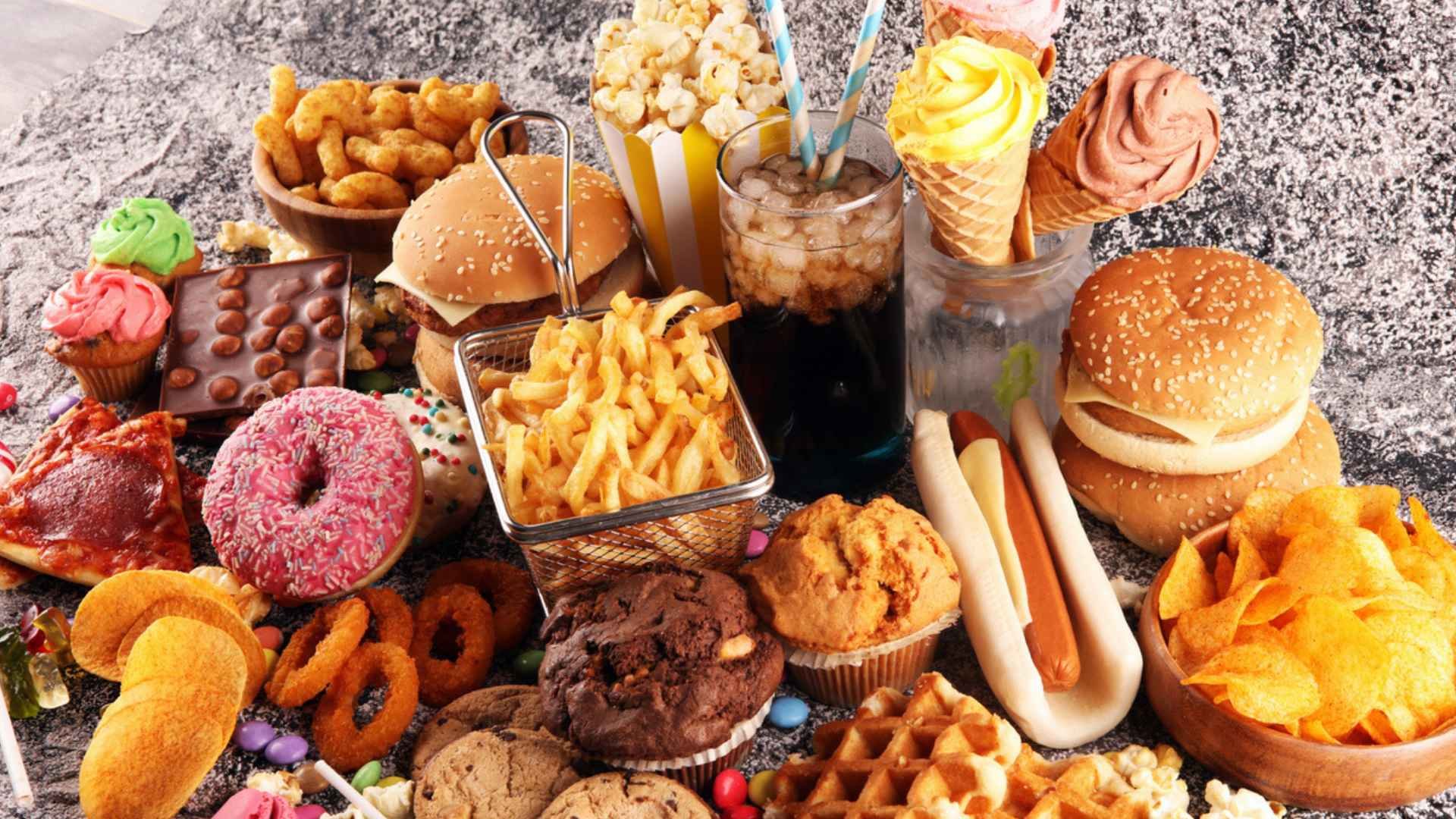
Ultra processed foods
Heart Foundation position and recommendations:
- For better heart health, eat fewer ultra-processed foods where possible and practical. Eating more ultra-processed foods is linked to a higher risk of heart disease and related conditions.
- When ultra-processed foods make up a big part of what you eat, they push out the minimally processed foods that are the foundation of a Heart-Healthy Eating Pattern. Your diet overall tends to be less healthy as a result.
- Not all ultra-processed foods are the same, and some may have good nutrition and contribute to a Heart-Healthy Eating Pattern. Where you have a choice, less-processed options are generally the healthier pick.
- Start by cutting back on ultra-processed foods that aren’t part of a Heart-Healthy Eating Pattern. These foods are generally high in saturated fat, added sugar, sodium (salt) and kilojoules (energy).
- When choosing packaged foods, look at both how processed the food is (the ingredients list) and its nutrition (nutrition information panel). Also think about how often you eat it and where it fits in your overall eating pattern.
- Use this supermarket shortcut: Pick It Up → Flip It Over → Decide
What are ultra processed foods (UPFs)?
Ultra-processed foods are foods that have been heavily modified during manufacturing and often contain ingredients that aren't typically used in home cooking.
These ingredients may include:
- Flavours
- Colours
- Sweeteners
- Emulsifiers
- Protein isolates
- Other additives
A simple way to spot them is to look at the ingredients list.
Ultra-processed foods come in many forms
Ultra-processed foods aren’t limited to a specific type of food. They can be found in snacks, drinks, breakfast foods, sauces and meal bases, convenience meals and many other packaged products.
That’s why it’s not always possible to tell if a food is ultra-processed by looking at the front of the pack.

Not all packaged foods are ultra-processed
Many foods are processed to make them safe, convenient or last longer, and can still be part of a Heart-Healthy Eating Pattern.
Examples include:
- Wholegrain bread
- Plain yoghurt and cheese
- Canned beans and legumes
- Canned fish
- Frozen and canned fruits and vegetables
- Wholegrain products like rolled oats
Depending on the ingredients list, some of these foods may also be ultra-processed foods, but that doesn’t make them automatically unhealthy.
Why does it matter?
Ultra-processed foods can take the place of heart-healthy foods
Ultra-processed foods have become a bigger part of many people's diets. When these foods make up more of your diet, there's often less room for foods that support heart health.
Many ultra-processed foods are high in nutrients we should limit
These include:
- Sodium (salt)
- Added sugar
- Saturated & trans fat
- Kilojoules (energy)
That's why eating fewer ultra-processed foods, where possible and practical, can support a Heart-Healthy Eating Pattern and heart health.
How to eat fewer ultra processed foods
What should I focus on?
Start with a Heart-Healthy Eating Pattern
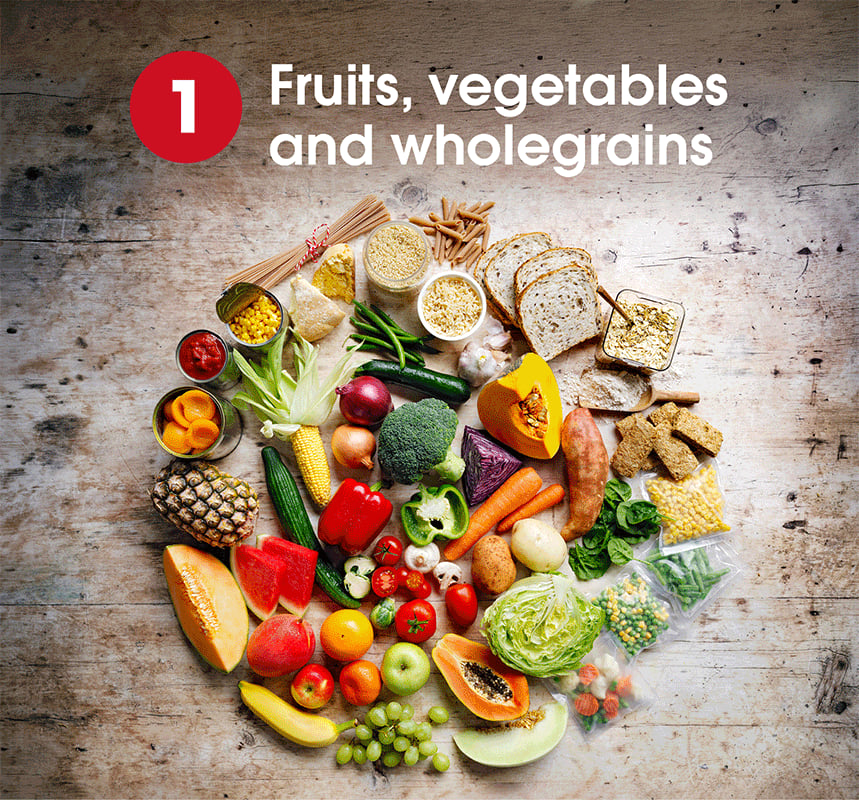
Rather than worrying about whether every food is ultra-processed, focus on eating more of the foods that support heart health. When your meals are based mostly on minimally processed foods, you get the benefit of the whole food, including its natural structure, plus more fibre, vitamins, minerals and natural plant compounds that are linked to better heart health.
Reduce discretionary foods first
Discretionary foods and drinks are foods that are not necessary to provide the nutrients the body needs. Many discretionary foods including confectionery, cakes, biscuits, processed meats, savoury snacks and sugary drinks, are ultra-processed foods. If you'd like to reduce the amount of ultra-processed food you eat, start with discretionary foods and drinks. These foods do not form part of a Heart-Healthy Eating Pattern and are generally high in:
- Sodium (salt)
- Added sugar
- Saturated and trans fat
- Kilojoules (energy)
When it comes to reducing ultra-processed foods from food groups that are part of a Heart-Healthy Eating Pattern, the less processed version is generally more nutritious. Sometimes it isn’t always clear which option is healthier. Use the ingredients list and nutrition information panel together to help you decide.
You don't need to change everything at once. Small changes to foods you eat regularly can make a meaningful difference over time.
Prepare and cook more meals at home
Preparing meals at home can give you more control over the ingredients you use, portion sizes and nutrition.
Where practical, base your meals on minimally processed foods, along with everyday cooking ingredients and simple packaged foods that are part of a Heart-Healthy Eating Pattern. Some ultra-processed foods can also have a place, if they make healthy meals easier, more affordable or more nutritious.
Looking for inspiration? Explore our healthy recipes and meal ideas.
Your supermarket shortcut
Pick It Up, Flip It Over, Decide
Three steps to choosing packaged foods.
-
Step 1

Pick It Up
Ask yourself: Will this help build a Heart-Healthy Eating Pattern?
If yes, you're off to a good start.
-
Step 2
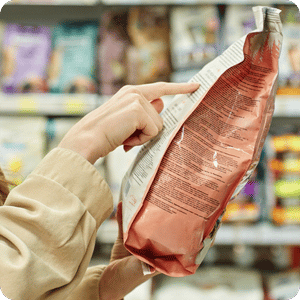
Flip It Over
Check the Ingredients List
Ask yourself: Would I use most of these ingredients at home?
Colours, flavours, sweeteners, emulsifiers and protein isolates may indicate that a food is ultra-processed.
AND
Check the Nutrition Information Panel
Compare similar products and look for:
- Less sodium (salt)
- Less saturated and trans fat
Learn more in our Reading Food Labels guide.
Remember: nutrition and processing both matter.
-
Step 3

Decide
Buy regularly
Foods that:
- Help build a Heart-Healthy Eating Pattern
- Fit into your everyday meals and snacks
Buy occasionally
Foods that:
- May be more processed
- May be lower in nutritional value
- Are enjoyed from time to time
Look for a heart-healthier option
Particularly if a food is:
- High in sodium (salt)
- High in sugar
- High in saturated and trans fat
AND
Something you eat regularly
Helpful resources
Heart-Healthy Eating Pattern
Learn about the foods that form the foundation of a Heart-Healthy Eating Pattern.
Reading Food Labels
Learn how to compare packaged foods using the nutrition information panel and ingredients list.
Healthy Recipes and Meal Ideas
Delicious recipes and meal inspiration to help you include more heart-healthy foods in your day.
Tips and tools for planning, shopping, and cooking healthy meals
Find a range of tools to help you plan, shop for, and cook budget-friendly heart-healthy meals.
Looking for more information on the science behind our recommendations?
We understand there is a lot of nutrition misinformation, and it’s important to find information from credible and trustworthy places. The Heart Foundation’s Heart Healthy Eating Pattern recommendations, and associated resources, are backed by the latest science and made with the unique needs of Australians in mind.
Curious about the evidence that informs our recommendations? Read more about our evidence reviews and position statements.
Last updated25 November 2026