
Get the Blueprint
Blueprint 4th edition (PDF or Print) - Register your interest

Blueprint for an Active Australia
Action area 11: Financial incentives

Authors: Joseph Carrello, Stephen Hodge
Key messages
Financial incentives can be used to shape physical activity behaviour by providing financial encouragement, reducing financial barriers, and disincentivising undesirable behaviour such as car use rather than active travel. Some incentive schemes are being used within Australia. These include subsidies for organised sports participation, cash payments from health insurers for achieving healthy goals, and reduced fares to encourage use of public transport to increase incidental exercise. More could be done to promote physical activity using financial incentives, but much more research and evaluation is needed.
Strategic priorities
Key strategic priorities in the application of financial incentives to promote physical activity:
- Embed appropriately designed financial incentives within relevant policy and program settings to reduce financial barriers and increase physical activity participation, particularly for priority populations and other insufficiently active groups.
- Develop, implement and evaluate research and demonstration trials of financial incentive approaches across multiple contexts, delivered in partnership with diverse stakeholders (e.g. public transport providers, private health insurers, sporting organisations), to inform scalable policy and funding decisions.
Sustainable Development Goals
The United Nations Sustainable Development Goals1 that relate to using financial incentives to promote physical activity include:


For more information see Appendix 1
Why are financial incentives important for promoting physical activity?
Financial incentives are economic tools that are used to motivate physical activity. Examples include providing a financial reward (cash bonus) for being active and for meeting weight loss goals, reducing costs of physical activity through subsidised sporting club registrations, or applying disincentives to opposing behaviours such as increasing the cost associated with driving to encourage active travel.

Consider the case for using financial incentives to support and promote physical activity behaviour:
- Financial incentives can make good health affordable by reducing financial barriers to physical activity. They contribute to ensuring people have access to safe, inclusive environments and diverse opportunities to be active in their daily lives.
- Socio-economic factors should not be a barrier to participation in physical activity in Australia. Increased cost-of-living pressures disproportionately impact people of low-socioeconomic status,2 who tend to be less physically active,3 and experience the greatest barriers to being physically active as part of their daily lives.4,5
- Regulatory and economic/fiscal strategies have been effective when used in tobacco and alcohol policy,6,7 but have been less commonly applied in physical activity policies.
- Lack of access and motivation to be active are commonly reported as barriers to physical activity, with over 37% of adults reporting they ‘don’t have enough time’ or have ‘too many other commitments’.8 Financial incentives can be used to motivate and encourage people to be more active,9,10 while simultaneously reducing costs associated with physical activity.
- Evidence shows that financial incentives, especially when coupled with goal setting strategies, may be effective in increasing physical activity.11-15 When used by less active people, financial incentives support behaviour change.
- Incentives do not have to be of high value; amounts as small as $50–200 can be an effective strategy for increasing participation in physical activity.15-17
- Taking action to be more physically active and maintain this over time is challenging. Financial incentives can help to ‘nudge’ or provide additional motivation for individuals to adopt physical activity, particularly if they already have an interest in being active.18
What financial incentives are working well to promote physical activity?
Some incentive schemes have been implemented within Australia. These are documented in the following points.
- Private health insurers value policy holders who are physically active; many provide rebates, discounts and rewards to support more active lifestyles. For example, a financial incentive program provided by Australian private health insurers consisting of an annual $200 cash payment (contingent on meeting weight loss/maintenance goals) alongside a one-year commercial weight loss program that included physical activity, was found to be a cost-effective strategy ($7,376 per health-adjusted life-year [HALY] gained).19
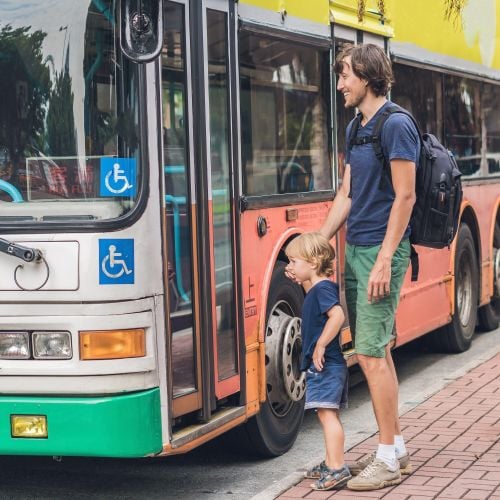
- Several state and territory governments in Australia provide lower public transport fares for priority populations (including students, seniors, people living with a disability and other welfare recipients) to incentivise those groups to use public transport, thereby increasing associated active transport. The QLD Government has introduced universal subsidies for public transport, reducing all trips to 50 cents, while the Tasmanian Government is currently providing free public transport.20,21 A Tasmanian study reported that 46% of adults who took advantage of a trial of free bus fares used the bus more frequently, with average weekly trips increasing from three to four.22 As public transport use is associated with walking behaviour, promoting the use of public transport promotes physical activity.23
- Subsidising registration in organised sport and active recreation programs has been trialled across Australia.24 These programs have strong public support and have demonstrated high uptake and large-scale feasibility. There is growing evidence that financial incentives for children’s and adolescents’ sport and active recreation may increase physical activity participation.25-27
- The greatest benefits from financial incentives for organised sport and recreation among school aged children have been observed among priority populations.26,27 The South Australian Government’s Sports Vouchers Plus program provides a universal voucher to promote sport and active recreation participation and ease cost of living pressures for families.28 However, providing subsidies or ‘sports vouchers’ to all children has not achieved sufficient improvements to shift population levels of physical activity.29 Additional work is required to ensure priority populations benefit from financial incentive programs.
Case studies
The following case studies showcase financial incentive approaches that are working well to reduce cost barriers and motivate participation in physical activity.
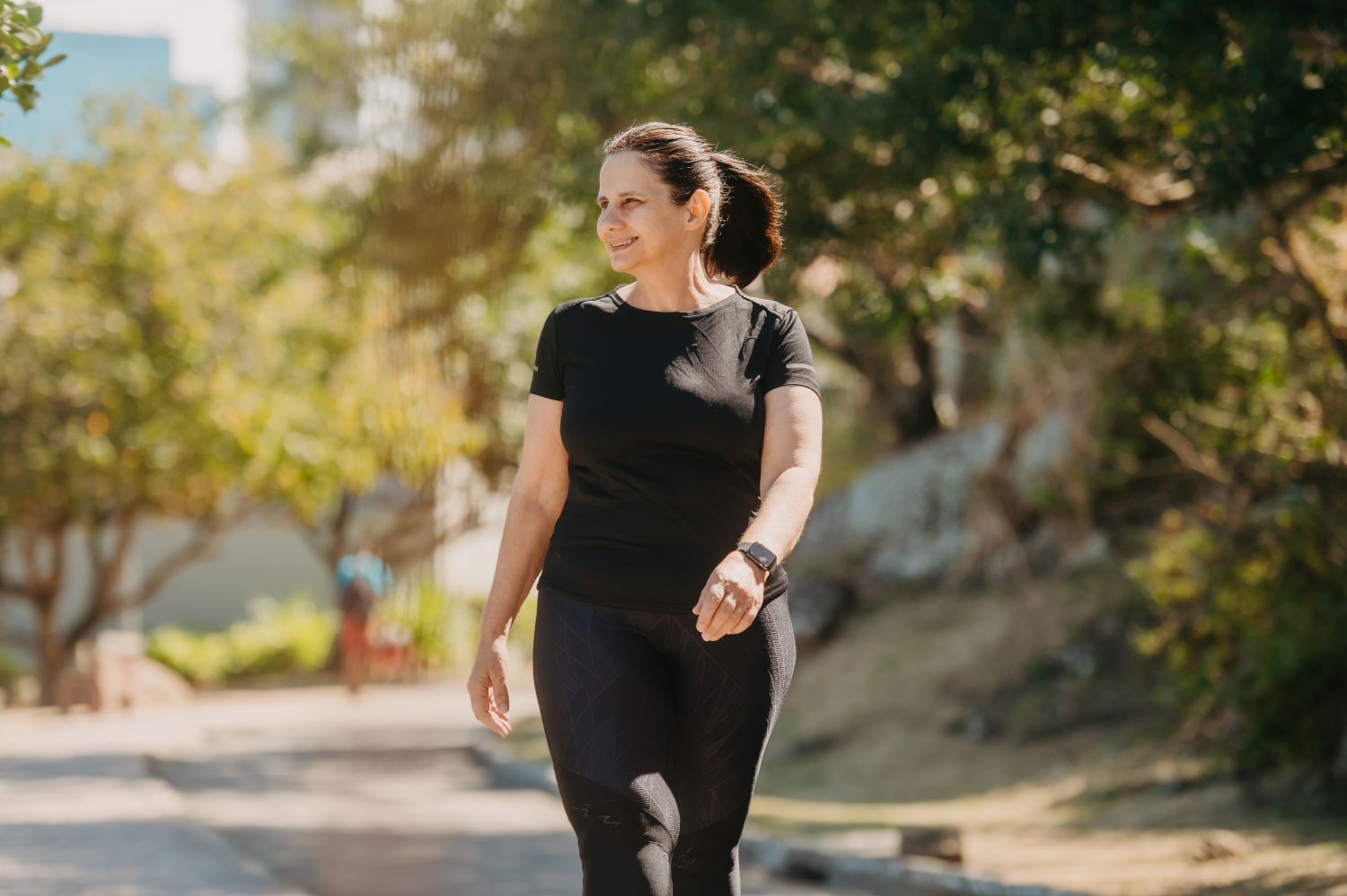
the ACHIEVE (Active CHoices IncEntiVE) program
A 16-week, incentive-based program which helped inactive adults move more and sit less. Modelling suggests potential healthcare savings with national scale-up.

South Australia's Sport Voucher Plus Program
South Australia’s Sports Vouchers Plus is a thriving, expanding program helping families manage costs while boosting participation in sport and active recreation.
What must be done to improve financial incentives for physical activity?
Financial incentives can shape behaviour and may therefore be used to encourage and support physical activity. Recommended strategies for improving the use of financial incentives for physical activity are shown below and build on the evidence presented in this action area, including research on financial incentives combined with goal setting, the effectiveness of small rewards, lessons from tobacco and alcohol policy, and evaluations of Australian schemes such as sport vouchers and public transport concessions. Where published evidence is limited, recommendations reflect expert consensus.
Policy, practice and leadership
- Recommendations for federal, state and local governments in the use of financial incentives to promote physical activity:
- Implement interventions and trials of financial incentive programs, informed by behavioural economics principles.11 Incentives should be tailored over time, by adapting their value or availability for consumers, to ensure they remain effective.
- Explore how the private sector, such as health insurance companies and workplaces, may partner with governments to deliver comprehensive programs using financial incentives to support people to be more active.19
Organisation and service delivery
Recommendations for application in healthcare settings and workplaces:
- Make active choices the default by requiring people to opt-out rather than opt-in to incentives, rewards and discount programs that support health and wellbeing.30 Allow people to earn credits and rewards by participating in physical activity programs.15-17
- Invest in financial incentive programs that recruit participants in healthcare settings and enable healthcare workers to support people to engage in, and adhere to, physical activity goals and exercise prescriptions. Financial incentives coupled with goal setting may be effective in increasing physical activity.11-15
- Introduce workplace wellbeing or active travel strategies. These could include subsidised gym memberships, access to shared bike systems, reduced access to car hire for short trips and increased parking costs.31
Community awareness and engagement
- Involve stakeholders and community groups in the development of financial incentive strategies to motivate physical activity participation among those who might not otherwise participate. People of low socioeconomic status tend to be less active and face the greatest barriers,3-5 and the greatest benefits from incentives have been seen among priority populations.26,27 Interventions should be culturally sensitive and relevant to the most inactive sectors of the population.
Research, data and innovation
A review of the evidence for this action area identified the following priorities for investment in research, data and innovation.
- Invest in research on the use of financial incentives and goal setting to enable better adherence to physical activity programs, particularly among people living with heart disease, diabetes and other chronic conditions. Determine whether people who receive financial incentives maintain higher activity levels after incentives are removed, to inform future investment.
- Use behavioural economic principles to understand how decisions to be physically active are shaped by economic and psychological factors, including biases and social norms.
- Further investigate the effectiveness of financial incentives to address individual behaviour change barriers such as ‘not enough time’ and ‘too many other commitments’.8
- Investigate the conditions that cause spikes in people using share bikes for short trips and understand how financial incentives support greater uptake, reducing the need for private vehicle use for short trips.
- Scale up efficacy trials of financial incentives to evaluate real world implementation and impact on behaviour change.
- Evaluate the impact of public transport concession fares, and subsidies that include strategies which encourage shifts to more active transport modes, especially in disadvantaged areas.
- Conduct evaluation to understand the impact of subsidising active transport equipment on physical activity and mode shift to active transport.
- Rigorously evaluate interventions that include financial incentives. Evaluations should assess impacts on physical activity and health outcomes, as well as co-benefits such as environmental impacts (e.g. air and noise pollution, carbon emissions), and social and economic outcomes.
- Conduct further studies and trials with adaptation or re-design of financial incentives for organised sport and recreation programs, to boost physical activity levels among priority populations of children and adolescents.
- Develop and evaluate policies and programs that include financial incentives to encourage councils and developers to build supportive environments for physical activity, with provision of data on trends and health outcomes to inform impact on built environments.
- Use digital tools such as smart watches in physical activity programs, and deliver financial incentives immediately after people achieve their activity goals, to provide instant gratification and boost motivation.
- Conduct further research to better prioritise equity when implementing financial incentives for physical activity. Participatory methods should be used to ensure priority populations are actively involved throughout program design and delivery.
References
1. United Nations. Sustainable Development Goals. Accessed 6 July 2026. https://sdgs.un.org/goals
2. Wood D, Chan I, Coates B, Grattan Institute. Inflation and Inequality: How High Inflation is Affecting Different Australian Households. 2023. https://www.rba.gov.au/publications/confs/2023/pdf/rba-conference-2023-wood-chan-coates.pdf [PDF]
3. Australian Institute of Health and Welfare. Physical activity. 2024. Accessed 31 March 2026. https://www.aihw.gov.au/reports/physical-activity/physical-activity
4. Wood AM, Vasey TV, Carroll SJ. Supporting active living in neighbourhoods of lower socioeconomic advantage: a rapid review of the literature and insights from workshops in three Australian communities of lower socioeconomic advantage. 2024. https://www.healthyactivebydesign.com.au/walkability-in-less-advantaged-areas
5. Pedersen MR, Hansen AF, Elmose-Østerlund K. Motives and barriers related to physical activity and sport across social backgrounds: implications for health promotion. Int J Environ Res Public Health. 2021;18(11):5810. doi:10.3390/ijerph18115810
6. Paraje GR, Jha P, Savedoff W, Fuchs A. Taxation of tobacco, alcohol, and sugar-sweetened beverages: reviewing the evidence and dispelling the myths. BMJ Glob Health. 2023;8(suppl 8):e011866. doi:10.1136/bmjgh-2023-011866
7. Le LK-D, Faller J, Chatterton ML, et al. Interventions to prevent alcohol use: systematic review of economic evaluations. BJPsych Open. 2023;9(4):e117. doi:10.1192/bjo.2023.81
8. Australian Institute of Health and Welfare. Physical activity across the life stages. 2018. https://www.aihw.gov.au/reports/physical-activity/physical-activity-across-the-life-stages/summary
9. Strohacker K, Galarraga O, Williams DM. The impact of incentives on exercise behavior: a systematic review of randomized controlled trials. Ann Behav Med. 2014;48(1):92–99. doi:10.1007/s12160-013-9577-4
10. Deci EL, Ryan RM. Self-determination theory. In: Van Lange PA, Kruglanski AW, Higgins ET, eds. Handbook of Theories of Social Psychology. 2012:416-436.
11. Boonmanunt S, Pattanaprateep O, Ongphiphadhanakul B, et al. Evaluation of the effectiveness of behavioral economic incentive programs for goal achievement on healthy diet, weight control and physical activity: a systematic review and network meta-analysis. Ann Behav Med. 2023;57(4):277–287. doi:10.1093/abm/kaac066
12. Mitchell MS, Orstad SL, Biswas A, et al. Financial incentives for physical activity in adults: systematic review and meta-analysis. Br J Sports Med. 2020;54(21):1259. doi:10.1136/bjsports-2019-100633
13. Barte JCM, Wendel-Vos GCW. A systematic review of financial incentives for physical activity: the effects on physical activity and related outcomes. Behav Med. 2017;43(2):79–90. doi:10.1080/08964289.2015.1074880
14. Karolemeas C, Mitropoulos L, Koliou K, et al. A systematic literature review on health benefits, incentives, and applications to promote walking in urban areas. Future Transportation. 2023;3(4):1385-1400. doi:10.3390/futuretransp3040076
15. Ball K, Hunter RF, Maple JL, et al. Can an incentive-based intervention increase physical activity and reduce sitting among adults? The ACHIEVE (Active Choices IncEntiVE) feasibility study. Int J Behav Nutr Phys Act. 2017;14(1):35. doi:10.1186/s12966-017-0490-2
16. Gong Y, Trentadue TP, Shrestha S, Losina E, Collins JE. Financial incentives for objectively-measured physical activity or weight loss in adults with chronic health conditions: a meta-analysis. PLoS One. 2018;13(9):e0203939. doi:10.1371/journal.pone.0203939
17. Chokshi NP, Adusumalli S, Small DS, et al. Loss-framed financial incentives and personalized goal-setting to increase physical activity among ischemic heart disease patients using wearable devices: The ACTIVE REWARD randomized trial. J Am Heart Assoc. 2018;7(12):e009173. doi:10.1161/JAHA.118.009173
18. Molema CCM, Wendel-Vos GCW, Puijk L, Jensen JD, Schuit AJ, de Wit GA. A systematic review of financial incentives given in the healthcare setting; do they effectively improve physical activity levels? BMC Sports Sci Med Rehabil. 2016;8(1):15. doi:10.1186/s13102-016-0041-1
19. Ananthapavan J, Sacks G, Brown V, et al. Priority-setting for obesity prevention – the Assessing Cost-Effectiveness of obesity prevention policies in Australia (ACE-Obesity Policy) study. PLoS One. 2020;15(6):e0234804. doi:10.1371/journal.pone.0234804
20. Tasmanian Government. Find your fare. 2026. Accessed 17 September 2026. https://farefinder.transport.tas.gov.au/
21. Queensland Government, Minister for Transport and Main Roads, The Honourable Breant Mickelberg. A fresh start for Queensland: Queenslanders on board with the LNP’s permanent 50 cent fares. 2025. Accessed 17 September 2026. https://statements.qld.gov.au/statements/101980
22. Sharman MJ, Stanesby O, Jose KA, Greaves S, Cleland V. Free bus fares, bus use and physical activity: an exploratory cross-sectional study. Health Promot J Austr. 2024;36(1):e881. doi:10.1002/hpja.881
23. Chaix B, Benmarhnia T, Kestens Y, et al. Combining sensor tracking with a GPS-based mobility survey to better measure physical activity in trips: public transport generates walking. Int J Behav Nutr Phys Act. 2019;16(1):84. doi:10.1186/s12966-019-0841-2
24. Reece LJ, McInerney C, Blazek K, et al. Reducing financial barriers through the implementation of voucher incentives to promote children’s participation in community sport in Australia. BMC Public Health. 2020;20(1):19. doi:10.1186/s12889-019-8049-6
25. Simpson CEM, Virgara R, Curtis RG, et al. Setting the game plan: an international Delphi study on evaluating a population-wide youth sports financial incentive. BMC Public Health. 2024;24(1):3295. doi:10.1186/s12889-024-20830-0
26. Foley BC, Owen KB, Bauman AE, Bellew W, Reece LJ. Effects of the Active Kids voucher program on children and adolescents’ physical activity: a natural experiment evaluating a state-wide intervention. BMC Public Health. 2021;21(1):22. doi:10.1186/s12889-020-10060-5
27. James ML, Christian D, Scott SC, et al. Active children through individual vouchers evaluation: a mixed-method RCT. Am J Prev Med. 2020;58(2):232–243. doi:10.1016/j.amepre.2019.10.005
28. Government of South Australia, Office for Recreation, Sport and Racing. Sports Vouchers Plus. Accessed 31 March 2026. https://www.sportsvouchers.sa.gov.au/
29. Owen KB, Foley BC, Reece LJ, Bellew W, Bauman A. Population level effects of the active kids program on children and adolescents’ physical activity and sport participation in NSW, Australia. Int J Behav Nutr Phys Act. 2025;22(1):65. doi:10.1186/s12966-025-01763-2
30. Shah T, Coratti S, Farraday D, et al. Effect of opt-in versus opt-out framing on trial recruitment: a study within a trial of the GAMEPAD randomized trial. Am Heart J. 2026;292:107285. doi:10.1016/j.ahj.2025.107285
31. Martin A, Suhrcke M, Ogilvie D. Financial incentives to promote active travel: an evidence review and economic framework. Am J Prev Med. 2012;43(6):e45–e57. doi:10.1016/j.amepre.2012.09.001
Heart Foundation related information for financial incentives

Workplaces
Mass reach strategies