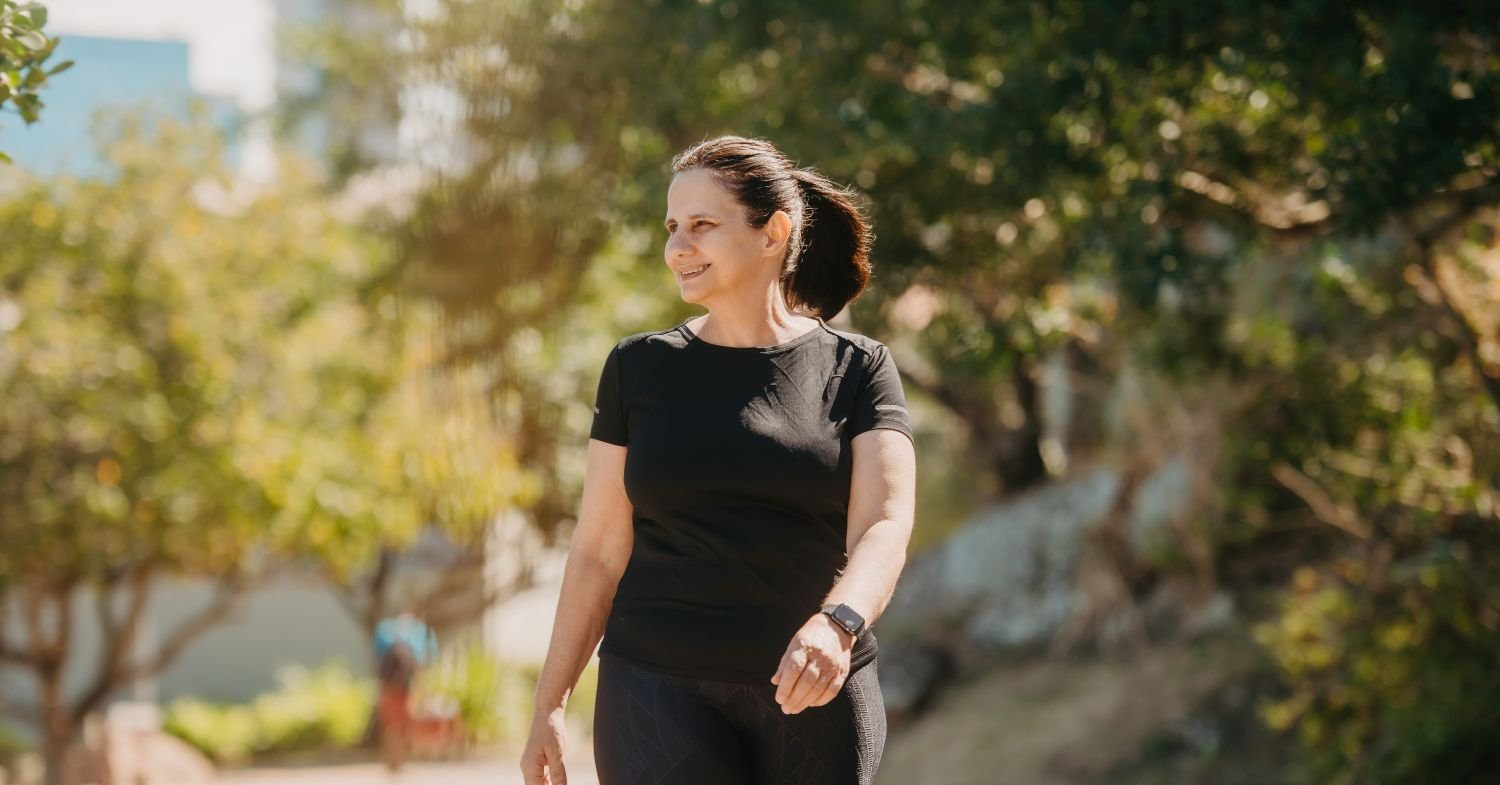
The ACHIEVE (Active CHoices IncEntiVE) program
Background and rationale
The Active choices incentive (ACHIEVE) program trialled an incentive-based 16-week program that encouraged adults in Australia adults aged 40–65 years to increase physical activity and reduce sedentary time. It was specifically designed for adults who were insufficiently active and highly sedentary. Participants received financial and non-financial incentives (e.g. supermarket vouchers, clothing and cookbooks) for achieving weekly physical activity and reduced sitting time goals, calculated using their baseline behaviour. The program also involved a motivational interview, weekly text messages and Fitbits distributed to participants to monitor their progress.
Outcomes and impact
The ACHIEVE program significantly increased physical activity and reduced sedentary behaviour among adults aged 40–65. Participants reported a 252-minute weekly increase in leisure-time activity and a 178.5-minute rise in transport-related activity, alongside a 3.1-hour daily reduction in sitting time.1
An economic evaluation of the ACHIEVE program revealed the cost was A$944 per participant recruited. A national scale-up could reach approximately 265,095 participants, delivering health care cost savings of A$33.4 million, with an additional 2,709 health adjusted life years (HALYs) gained.2 The ACHIEVE program demonstrated strong cost-effectiveness and the potential to improve health outcomes at scale.
Investment and funding
The ACHIEVE study was funded by the Heart Foundation Vanguard Grant in 2015.
Enablers and lessons learned
- The ACHIEVE program combined incentives with motivational interviewing and SMS support, reinforcing behaviour change beyond just rewards. Goals should be set to progressively increase the individual’s activity.
- The program demonstrated promising cost effectiveness. Incentives were low-cost yet motivating, making this type of intervention attractive for public sector use.
- The program has high retention (only 2 dropouts) and strong engagement indicating that middle-aged adults are receptive to incentive-based health programs.
- While short-term outcomes were positive, long-term effectiveness and sustainability remain unclear. Governments should invest in longitudinal evaluations to inform policy.
Further Information
- Ball K, Hunter RF, Maple JL,et al. Can an incentive-based intervention increase physical activity and reduce sitting among adults? The ACHIEVE (Active Choices IncEntiVE) feasibility study. Int J Behav Nutr Phys Act. 2017;14(1):35. doi: 10.1186/s12966-017-0490-2
- Maple JL, Ananthapavan J, Ball K, et al. Economic evaluation of an incentive-based program to increase physical activity and reduce sedentary behaviour in middle-aged adults. BMC Health Serv Res. 2022;22:932. doi:10.1186/s12913-022-08294-7
Last updated21 October 2026