
Get the Blueprint
Blueprint 4th edition (PDF or Print) - Register your interest

Blueprint for an Active Australia
Action area 10: Workplaces

Authors: Genevieve N Healy, Paddy C Dempsey, Charlotte L Brakenridge, Lisa Becker, Mitch Duncan, Corneel Vandelanotte.
Key messages
Most adults spend a substantial proportion of their lives at work. As such, workplaces can play a transformative role in supporting health-enhancing physical activity, contributing to healthier, happier and more productive workers, and reduced healthcare costs. Because both prolonged sedentary time and excessive occupational physical demands are harmful to health, workplace strategies should focus on achieving the right balance of movement for different workers and occupations. As work becomes increasingly dispersed and digitally connected, equitable, co-designed and scalable approaches are needed to ensure all workers benefit.
Strategic priorities for physical activity and workplaces
Key strategic priorities to support physical activity and its promotion within workplaces:
- Embed physical activity promotion into workplace policies and regulatory frameworks to drive consistent, systemic change.
- Develop and fund comprehensive workplace physical activity strategies within a National Physical Activity Plan, with dedicated resources for data systems, guidance on active workplace culture, equitable program implementation, digital technology use and support for high‑risk worker groups.
Sustainable Development Goals
United Nations Sustainable Development Goals1 that relate to physical activity in workplaces include:


For more information see Appendix 1
Why are workplaces an important setting for promoting physical activity?
As most adults spend extended periods of their lives at work, workplaces offer unique opportunities to intervene on physical activity with positive spillover into workers’ leisure time and the communities in which they live.2 The workplace is therefore recognised nationally and internationally as a strategic, high‑reach setting to influence physical activity behaviours.2,3

Consider the case for supporting and promoting physical activity in the workplace:
- Investing in a physically active workforce is good for business.4 Effective workplace physical activity initiatives are associated with reduced absenteeism, improved productivity, and lower healthcare costs,5,6 and improvements in worker health and wellbeing.7-14 These benefits can result in a positive return-on-investment, though further evidence on economic impact and implementation processes is needed.6,15,16
- Physical activity levels vary significantly across industries, occupations and employment types.17,18 Activity levels are influenced by factors such as job role, job design, the autonomy of workers to move freely, organisational policies, and the workplace environment (physical and cultural).19,20 Physically demanding roles may increase injury risk21 and paradoxically increase the risk of heart disease,22 while desk-based jobs with minimal movement can raise health risks linked to prolonged sitting.23 Employers have a primary duty of care under Australian work health and safety legislation (e.g. Commonwealth Work Health and Safety Act 2011 [Section 19], and equivalent state and territory laws) to mitigate these risks.24 Physical activity at work should follow the ‘Goldilocks work paradigm’ to design the ‘just right’ amount of physical activity to enhance health.25
- Workplace physical activity programs work. In workers with high sedentary time, programs may reduce prolonged sedentary time and increase physical activity, albeit primarily light intensity activity.26 In workers with physically demanding jobs, strength training may reduce musculoskeletal disorders.14
- Active commuting offers a promising strategy for increasing daily physical activity. Active commuting contributes to moderate-vigorous intensity physical activity,27 and reduces cardiovascular risk.28 However, feasibility is influenced by job location, commuting distance, connecting infrastructure (e.g. safe pathways) and facilities in the workplace (e.g. showers, bike parking).
- Access to workplace physical activity programs and supports is not distributed equally. Not all workers can benefit from flexible work schedules, health and wellbeing initiatives, active design features or employer-subsidised programs. Most workplace physical activity programs are designed for full-time desk-based workers and fail to consider gig, manual or casual workers.26 This contributes to persistent physical activity disparities across income, education and employment types.26,29 Workplace specific programs should be co-designed with workers using a settings approach to ensure they meet the needs of employees.
- Economic pressures, including the rising cost-of-living and increased workloads, create further challenges for workers who are trying to prioritise their health. Policies and structures that enable physical activity during the workday, including through active commuting, may help to reduce stress, support health and wellbeing, sustain productivity, and relieve economic pressures during difficult economic conditions.6-9,30
- Recent structural, technological and economic changes mean we need to re-evaluate how workplace physical activity is understood and supported. The COVID-19 pandemic accelerated structural shifts in how and where people work,31 normalising remote, hybrid, and dispersed work models. Traditional settings-based interventions may no longer reach large segments of the workforce. Working from home and hybrid work create a unique environment where the boundaries between work-related and leisure activities blur, challenging the traditional definitions of physical activity and sedentary behaviour as strictly occupational or leisure.32 Emerging evidence shows that remote and hybrid work can reduce incidental movement and increase time spent being sedentary.33 These work models can also affect mental health, particularly through increased social isolation.34 This shift highlights the need for adaptive, digitally enabled and scalable strategies to reach workers wherever they are.
- The widespread adoption of digital health tools, including mobile apps, wearable devices, virtual platforms, sensors, and advances in artificial intelligence (AI), offers new opportunities for engaging workers in physical activity. These technologies can enable cost-effective, scalable and personalised interventions.35 However, considerations of equity of access, ethical use of the collected data, and integration into broader workplace health systems are needed.
What is working well for physical activity and workplaces?
Growing recognition of the health impacts of both sedentary and physically demanding work has supported increased investment in workplace physical activity initiatives including involvement of hard-to-reach groups. New work models and technology provide opportunities for workplace change. The following documents what is working well.
- Hybrid, dispersed, or remote work models are now common in many sectors.31 This has accelerated research into the challenges and opportunities of these different ways of working, including for physical activity promotion.
- There is growing recognition of the risks of exposure to prolonged sedentary time in the workplace,36 alongside the established challenges associated with physically demanding roles, with associated policy development.
- There is increasing political and business focus on mental health, worker wellbeing and productivity.37 This provides opportunities to advocate for increased investment in workplace physical activity initiatives.
- Publicly available evidence-based programs to increase physical activity and reduce sedentary time (e.g. 10,000 Steps,38 BeUpstanding39) are experiencing strong uptake across a broad range of different industries, demonstrating feasibility and the demand for such programs, even in hybrid, and remote working situations.
- In physical activity and sedentary behaviour research, there is increasing involvement of underrepresented and harder-to-reach groups. This includes groups with less autonomy and/or capacity for health-enhancing movement in the workplace, such as transport and shift workers.40,41 Here, workplace physical activity interventions have shown benefits, including for healthcare professionals and workers in physically demanding roles.14,42 However, further evidence is needed, particularly for at-risk occupational groups such as truck drivers and gig workers.43,44
- Workplaces now have access to an increasingly sophisticated range of tools to support physical activity promotion and reduce sedentary behaviour, including height-adjustable desks, wearables, and AI-enabled solutions.
Case studies
The following case studies show how approaches are being applied in practice to support healthier, more active workplaces across diverse industries and employment settings.
BeUpstanding™: supporting worker activity, health and wellbeing
BeUpstanding™ is an evidence‑based, free workplace program that helps desk‑based workers sit less and move more.

10,000 Steps: A digital physical activity and workplace program
Free, evidence-based program helping people and workplaces move more through step tracking, goals and challenges.
What must be done to improve physical activity in workplaces?
To better support health enhancing physical activity in workplaces, action is needed across policy and organisations. Actions should include engagement with workers to co-design programs tailored to their needs while considering ways to use digital technologies. The recommendations below build on the evidence presented in this action area, including research on the health and business benefits of workplace programs, active commuting and inequities in access, and evaluations of evidence-based programs. Where published evidence is limited, recommendations reflect expert consensus.
Policy, practice and leadership
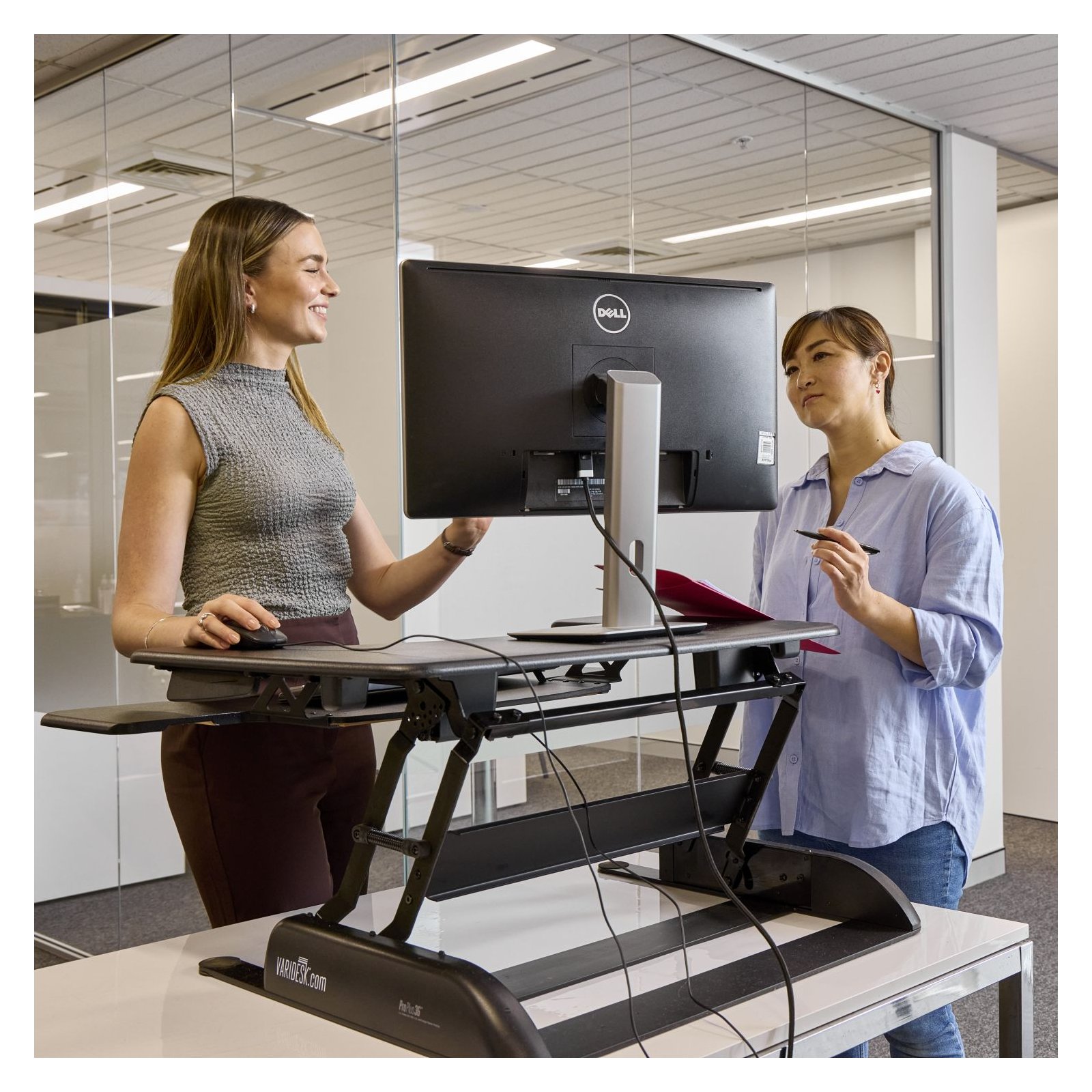
- Introduce or expand policy incentives for active workplaces, including financial rewards for organisations (e.g. via tax rebates, grants),27,28,45 active commuting subsidies (e.g. compensation per km of active travel),46-48 and support for equipment such as height-adjustable desks and wearable trackers, with return-on-investment monitored.
- Integrate physical activity and sedentary behaviour considerations into work health and safety (WHS) regulations and guidance, regularly review codes of practice and apply principles of good work design to ensure safe and sustainable movement throughout the workday in line with the Goldilocks work paradigm.49
- Invest in accessible, cost-effective, evidence-based toolkits and data systems to help organisations to track, evaluate and report on workplace physical activity initiatives. This should include longitudinal measures for behaviour change and return-on-investment.19
- Facilitate cross-sector partnerships between employers, health organisations, local governments and research institutes with clear communication avenues to co-deliver programs, support infrastructure and evaluate outcomes effectively. This collaboration can enable employers to access existing evidence-based workplace programs and local supports (e.g. BeUpstanding, 10,000 Steps, local government and health promotion services) to support their employees to be physically active.38,39
Urban design and planning
- Create activity-friendly workplace environments, including open spaces, height-adjustable desks, on-site gyms, accessible staircases, and supportive signage.50-53
- Partner with local governments to improve access to safe walking routes, green spaces and end-of-trip facilities, prioritising low-income or underserved areas and people with disabilities.54-56
Organisation and service delivery
- Build leadership awareness of, and buy in to, the economic, cultural and health benefits of physical activity promotion through investment in workforce capacity and staff training to ensure program sustainability.57
- Foster a supportive workplace culture for health-enhancing physical activity through staff education, peer support, leadership engagement and participatory program design.19,58
- Provide inclusive and tailored health promoting physical activity programs for workers in varied employment contexts, including shift, casual, gig and remote employees, those in physically demanding jobs, and higher risk groups. Use co-design to ensure accessibility, appropriateness, cultural relevance and equity.59,60
- Leverage digital technologies (apps, wearables, sensors, AI tools) to deliver and monitor scalable, personalised programs while ensuring secure, ethical and equitable data management.61
Community awareness and engagement
- Involve employees in the co-design of new programs and in the adaptation of existing programs to ensure cultural relevance, accessibility, inclusivity and practical fit – particularly for underrepresented or vulnerable groups.62
Research, data and innovation
- A review of the evidence for this action area identified the following priorities for investment in research, data and innovation.
- Strengthen the business case by evaluating outcomes, including through economic modelling relevant to employers (productivity, retention) and government (healthcare costs) over sustained periods.
- Develop monitoring and evaluation frameworks and standardised data collection systems for national benchmarking and integration into public health surveillance.
- Use digital technologies responsibly to deliver equitable, personalised support while addressing literacy, access and privacy concerns.
- Advance understanding of how leadership, workplace culture, and organisational policies work together to promote and sustain health enhancing physical activity.
- Promote equity-focused, systems-level approaches to target vulnerable workers, including those in low-income and/or insecure roles and employees with disability.
- Improve understanding of how hybrid and remote work influence physical activity and sedentary behaviour to inform evidence-based policies and employer guidance for promoting active, safe work environments.
- Build evidence on the optimal mix of movement and activity across the workday to inform job design that preserves and enhances worker health.25,49
- Broaden the research scope to inform the development of inclusive, evidence-based policies and scalable programs that effectively address the unique needs of individuals in non-desk-based and precarious forms of employment, in all geographic areas.
References
1. United Nations. Sustainable Development Goals. Accessed 6 July 2026. https://sdgs.un.org/goals
2. World Health Organization. Global Action Plan on Physical Activity 2018–2030: more active people for a healthier world. 2018. https://www.who.int/publications/i/item/9789241514187
3. International Society for Physical Activity and Health (ISPAH). ISPAH’s eight investments that work for physical activity. 2020. https://ispah.org/wp-content/uploads/2020/11/English-Eight-Investments-That-Work-FINAL.pdf [PDF]
4. World Economic Forum. 8 reasons why investing in employee health is good for people and business. 2024. Accessed 16 March 2025. https://www.weforum.org/stories/2024/10/employee-health-programmes-obesity/
5. López Bueno R, Casajús Mallén JA, Garatachea Vallejo N. Physical activity as a tool to reduce disease-related work absenteeism in sedentary employees: a systematic review. Rev Esp Salud Publica. 2018;92:e201810071.
6. Grimani A, Aboagye E, Kwak L. The effectiveness of workplace nutrition and physical activity interventions in improving productivity, work performance and workability: a systematic review. BMC Public Health. 2019;19(1):1676. doi:10.1186/s12889-019-8033-1
7. Mulchandani R, Chandrasekaran AM, Shivashankar R, et al. Effect of workplace physical activity interventions on the cardio-metabolic health of working adults: systematic review and meta-analysis. Int J Behav Nutr Phys Act. 2019;16(1):134. doi:10.1186/s12966-019-0896-0
8. Abdin S, Welch RK, Byron-Daniel J, Meyrick J. The effectiveness of physical activity interventions in improving well-being across office-based workplace settings: a systematic review. Public Health. 2018;160:70-76. doi:10.1016/j.puhe.2018.03.029
9. Hadgraft NT, Winkler E, Climie RE, et al. Effects of sedentary behaviour interventions on biomarkers of cardiometabolic risk in adults: systematic review with meta-analyses. Br J Sports Med. 2021;55(3):144–154. doi:10.1136/bjsports-2019-101154
10. Virtanen M, Lallukka T, Elovainio M, Steptoe A, Kivimäki M. Effectiveness of workplace interventions for health promotion. Lancet Public Health. 2025;10(6):e512–e530. doi:10.1016/S2468-2667(25)00095-7
11. Krishnanmoorthy G, Rampal S, Karuthan SR, Baharudin F, Krishna R. Effectiveness of participatory ergonomic interventions on work-related musculoskeletal disorders, sick absenteeism, and work performance among nurses: systematic review. JMIR Hum Factors. 2025;12:e68522. doi:10.2196/68522
12. Miguel C, Amarnath A, Akhtar A, et al. Universal, selective and indicated interventions for supporting mental health at the workplace: an umbrella review of meta-analyses. Occup Environ Med. 2023;80(4):225–236. doi:10.1136/oemed-2022-108698
13. Moreira-Silva I, Teixeira PM, Santos R, Abreu S, Moreira C, Mota J. The effects of workplace physical activity programs on musculoskeletal pain: a systematic review and meta-analysis. Workplace Health Saf. 2016;64(5):210–22. doi:10.1177/2165079916629688
14. Sundstrup E, Seeberg KGV, Bengtsen E, Andersen LL. A systematic review of workplace interventions to rehabilitate musculoskeletal disorders among employees with physical demanding work. J Occup Rehabil. 2020;30(4):588–612. doi:10.1007/s10926-020-09879-x
15. van Dongen JM, Proper KI, van Wier MF, et al. Systematic review on the financial return of worksite health promotion programmes aimed at improving nutrition and/or increasing physical activity. Obes Rev. 2011;12(12):1031–1049. doi:10.1111/j.1467-789X.2011.00925.x
16. Garne-Dalgaard A, Mann S, Bredahl TVG, Stochkendahl MJ. Implementation strategies, and barriers and facilitators for implementation of physical activity at work: a scoping review. Chiropr Man Therap. 2019;27(1):48. doi:10.1186/s12998-019-0268-5
17. Vandelanotte C, Short C, Rockloff M, et al. How do different occupational factors influence total, occupational, and leisure-time physical activity? J Phys Act Health. 2015;12(2):200–207. doi:10.1123/jpah.2013-0098
18. Vandelanotte C, Duncan MJ, Short C, et al. Associations between occupational indicators and total, work-based and leisure-time sitting: a cross-sectional study. BMC Public Health. 2013;13(1):1110. doi:10.1186/1471-2458-13-1110
19. Hadgraft NT, Brakenridge CL, Dunstan DW, Owen N, Healy GN, Lawler SP. Perceptions of the acceptability and feasibility of reducing occupational sitting: review and thematic synthesis. Int J Behav Nutr Phys Act. 2018;15(1):90. doi:10.1186/s12966-018-0718-9
20. Pronk NP. Implementing movement at the workplace: approaches to increase physical activity and reduce sedentary behavior in the context of work. Prog Cardiovasc Dis. 2021;64:17–21. doi:10.1016/j.pcad.2020.10.004
21. Coenen P, Huysmans MA, Holtermann A, et al. Do highly physically active workers die early? A systematic review with meta-analysis of data from 193 696 participants. Br J Sports Med. 2018;52(20):1320–1326. doi:10.1136/bjsports-2017-098540
22. Holtermann A, Krause N, van der Beek AJ, Straker L. The physical activity paradox: six reasons why occupational physical activity (OPA) does not confer the cardiovascular health benefits that leisure time physical activity does. Br J Sports Med. 2018;52:149–150. doi:10.1136/bjsports-2017-097965
23. Reichel K, Prigge M, Latza U, Kurth T, Backé EM. Association of occupational sitting with cardiovascular outcomes and cardiometabolic risk factors: a systematic review with a sex-sensitive/gender-sensitive perspective. BMJ Open. 2022;12(2):e048017. doi:10.1136/bmjopen-2020-048017
24. Australian Government, Department of Employment and Workplace Relations. Work Health and Safety Act 2011. 2024. Accessed 22 February 2026. https://www.legislation.gov.au/C2011A00137/latest/text
25. Straker L, Mathiassen SE, Holtermann A. The Goldilocks Work paradigm: conception, experience, refinement, and future. IISE Trans Occup Ergon Hum Factors. 2025:1–13. doi:10.1080/24725838.2025.2491483
26. Rouyard T, Yoda E, Akksilp K, et al. Effects of workplace interventions on sedentary behaviour and physical activity: an umbrella review with meta-analyses and narrative synthesis. Lancet Public Health. 2025;10(4):e295–e308. doi:10.1016/S2468-2667(25)00038-6
27. Wanjau MN, Dalugoda Y, Oberai M, et al. Does active transport displace other physical activity? A systematic review of the evidence. J Transp Health. 2023;31:101631. doi:10.1016/j.jth.2023.101631
28. Celis-Morales CA, Lyall DM, Welsh P, et al. Association between active commuting and incident cardiovascular disease, cancer, and mortality: prospective cohort study. BMJ. 2017;357:j1456. doi:10.1136/bmj.j1456
29. Salvo D, Jáuregui A, Adlakha D, Sarmiento OL, Reis RS. When moving is the only option: the role of necessity versus choice for understanding and promoting physical activity in low- and middle-income countries. Annu Rev Public Health. 2023;44:151–169. doi:10.1146/annurev-publhealth-071321-042211
30. Ding D, Luo M, Infante MFP, et al. The co-benefits of active travel interventions beyond physical activity: a systematic review. Lancet Planet Health. 2024;8(10):e790–e803. doi:10.1016/S2542-5196(24)00201-8
31. Australian Bureau of Statistics. Working arrangements. 2024. Accessed 28 February 2025. https://www.abs.gov.au/statistics/labour/earnings-and-working-conditions/working-arrangements/latest-release.
32. Sun M, Kraus T, Pauli R, Garus C. Changing sense of place in hybrid work environments: A systematic review of place identity and employee well-being. Wellbeing Space Soc. 2025;8:100236. doi:10.1016/j.wss.2025.100236
33. Chaudhary N, Jones M, Rice SPM, Zeigen L, Thosar SS. Transitioning to working from home due to the COVID-19 pandemic significantly increased sedentary behavior and decreased physical activity: a meta-analysis. Int J Environ Res Public Health. 2024;21(7):851. doi:10.3390/ijerph21070851
34. Blank L, Hock E, Cantrell A, Baxter S, Goyder E. Exploring the relationship between working from home, mental and physical health and wellbeing: a systematic review. Public Health Res (Southampt). 2023;11(4):1–100. doi:10.3310/ahff6175
35. Gentili A, Failla G, Melnyk A, et al. The cost-effectiveness of digital health interventions: a systematic review of the literature. Front Public Health. 2022;10:787135. doi:10.3389/fpubh.2022.787135
36. Straker L, Coenen P, Dunstan D, Gilson N, Healy G. Sedentary work – evidence on an emergent work health and safety issue – final report. 2016. https://www.safeworkaustralia.gov.au/resources-and-publications/reports/sedentary-work-evidence-emergent-work-health-and-safety-issue
37. World Health Organization. Guidelines on mental health at work. 2022. https://www.who.int/publications/i/item/9789240053052
38. Duncan MJ, Brown WJ, Mummery WK, Vandelanotte C. 10,000 Steps Australia: a community-wide eHealth physical activity promotion programme. Br J Sports Med. 2018;52(14):885–886. doi:10.1136/bjsports-2017-097625
39. Healy GN, Goode AD, Ulyate L, et al. National implementation trial of BeUpstanding™: an online initiative for workers to sit less and move more. Int J Behav Nutr Phys Act. 2024;21(1):111. doi:10.1186/s12966-024-01652-0
40. Gilson ND, Mielke GI, Coombes JS, Duncan MJ, Brown WJ. The efficacy and feasibility of a high intensity interval training program to improve cardiorespiratory fitness in truck drivers: the Fit 2 Drive cluster controlled pilot study. J Occup Environ Med. 2023;65(10):836–840. doi:10.1097/jom.0000000000002914
41. Dos Reis FL, Bertoloto JCF, Rodrigues TDC, et al. The efficacy of interventions in the workplace promoting exercise and a healthy diet among shift workers: a systematic review. PLoS One. 2025;20(6):e0325071. doi:10.1371/journal.pone.0325071
42. Martland RN, Ma R, Paleri V, et al. The efficacy of physical activity to improve the mental wellbeing of healthcare workers: a systematic review. Ment Health Phys Act. 2024;26:100577. doi:10.1016/j.mhpa.2024.100577
43. Virgara R, Singh B, O’Connor E, et al. Keep on truckin’: how effective are health behaviour interventions on truck drivers’ health? A systematic review and meta-analysis. BMC Public Health. 2024;24(1):2623. doi:10.1186/s12889-024-19929-1
44. Taylor K, Van Dijk P, Newnam S, Sheppard D. Physical and psychological hazards in the gig economy system: a systematic review. Saf Sci. 2023;166:106234. doi:10.1016/j.ssci.2023.106234
45. Vitzthum MA, Krüger K, Weyh C. The impact of financial incentives on physical activity for employees in the context of workplace health promotion: a systematic review. J Occup Health. 2024;66(1):uiae048. doi:10.1093/joccuh/uiae048
46. Adhikari A, Ryan M, Harrington M. Proactive investment: policies to increase rates of active transportation. 2024. https://cdn.australiainstitute.org.au/2024/10/17231417/P1682-Policies-to-increase-rates-of-active-transportation-Web.pdf [PDF]
47. European Commission, EU Urban Mobility Observatory. A cycling kilometric allowance in France. 2017. Accessed 16 October 2026. https://urban-mobility-observatory.transport.ec.europa.eu/resources/case-studies/cycling-kilometric-allowance-france_en
48. Máca V, Ščasný M, Zvěřinová I, Jakob M, Hrnčíř J. Incentivizing commuter cycling by financial and non-financial rewards. Int J Environ Res Public Health. 2020;17(17):6033. doi:10.3390/ijerph17176033
49. Safe Work Australia. Principles of good work design: a work health and safety handbook. https://www.safeworkaustralia.gov.au/system/files/documents/1702/good-work-design-handbook.pdf [PDF]
50. Zhou L, Deng X, Xu M, et al. The effects of active workstations on reducing work-specific sedentary time in office workers: a network meta-analysis of 23 randomized controlled trials. Int J Behav Nutr Phys Act. 2023;20(1):92. doi:10.1186/s12966-023-01467-5
51. Sugiyama T, Hadgraft N, Clark BK, et al. Office spatial design attributes, sitting, and face-to-face interactions: systematic review and research agenda. Build Environ. 2021;187:107426. doi:10.1016/j.buildenv.2020.107426
52. Jennings CA, Yun L, Loitz CC, Lee EY, Mummery WK. A systematic review of interventions to increase stair use. Am J Prev Med. 2017;52(1):106–114. doi:10.1016/j.amepre.2016.08.014
53. Landais LL, Damman OC, Schoonmade LJ, Timmermans DRM, Verhagen E, Jelsma JGM. Choice architecture interventions to change physical activity and sedentary behavior: a systematic review of effects on intention, behavior and health outcomes during and after intervention. Int J Behav Nutr Phys Act. 2020;17(1):47. doi:10.1186/s12966-020-00942-7
54. Dixon BN, Ugwoaba UA, Brockmann AN, Ross KM. Associations between the built environment and dietary intake, physical activity, and obesity: a scoping review of reviews. Obes Rev. 2021;22(4):e13171. doi:10.1111/obr.13171
55. De la Fuente F, Saldías MA, Cubillos C, et al. Green space exposure association with type 2 diabetes mellitus, physical activity, and obesity: a systematic review. Int J Environ Res Public Health. 2020;18(1):97. doi:10.3390/ijerph18010097
56. Ke Q. The economic value of end-of-trip facilities for cyclist commuter in an office building. J Prop Res. 2024;41(4):376–393. doi:10.1080/09599916.2024.2403979
57. Batras D, Duff C, Smith BJ. Organizational change theory: implications for health promotion practice. Health Promot Int. 2016;31(1):231-41. doi:10.1093/heapro/dau098
58. Punnett L, Warren N, Henning R, Nobrega S, Cherniack M. Participatory ergonomics as a model for integrated programs to prevent chronic disease. J Occup Environ Med. 2013;55(suppl 12 ):S19–24. doi:10.1097/jom.0000000000000040
59. Arrogi A, Schotte A, Bogaerts A, Boen F, Seghers J. Short- and long-term effectiveness of a three-month individualized need-supportive physical activity counseling intervention at the workplace. BMC Public Health. 2017;17(1):52. doi:10.1186/s12889-016-3965-1
60. Peñalvo JL, Sagastume D, Mertens E, et al. Effectiveness of workplace wellness programmes for dietary habits, overweight, and cardiometabolic health: a systematic review and meta-analysis. Lancet Public Health. 2021;6(9):e648–e660. doi:10.1016/s2468-2667(21)00140-7
61. Singh B, Ahmed M, Staiano AE, et al. A systematic umbrella review and meta-meta-analysis of eHealth and mHealth interventions for improving lifestyle behaviours. NPJ Digit Med. 2024;7(1):179. doi:10.1038/s41746-024-01172-y
62. Schaap R, Schaafsma FG, Bosma AR, Huysmans MA, Boot CRL, Anema JR. Improving the health of workers with a low socioeconomic position: Intervention Mapping as a useful method for adaptation of the Participatory Approach. BMC Public Health. 2020;20(1):961. doi:10.1186/s12889-020-09028-2
Heart Foundation related information for workplaces


Healthcare
Financial incentives