Fibre-maxxing: is the latest nutrition trend good for your heart?
Blog: 23 September 2026
First there was protein-maxxing. Now, fibre-maxxing has taken over. But what exactly is fibre-maxxing, and is it really beneficial for your heart and overall health?
Let's find out.
What is fibre-maxxing?
Fibre-maxxing is the latest trend in health and wellness, made popular on social media platforms like TikTok and Instagram.
It gained traction after protein-maxxing saw people cramming as much protein into their diets as possible. In response, fibre-maxxing emerged, encouraging people to increase their fibre intake in pursuit of 'maximum' health benefits, with some aiming for as much as 50-100 g of fibre per day (far beyond the 25-30 g recommended by the Australian Dietary Guidelines).
As far as health trends go, we’re on board with fibre-maxxing. Many people living in Australia aren’t eating enough fibre currently, so we’re all for a trend that encourages people to increase their intake of this important nutrient!
First... what is fibre?
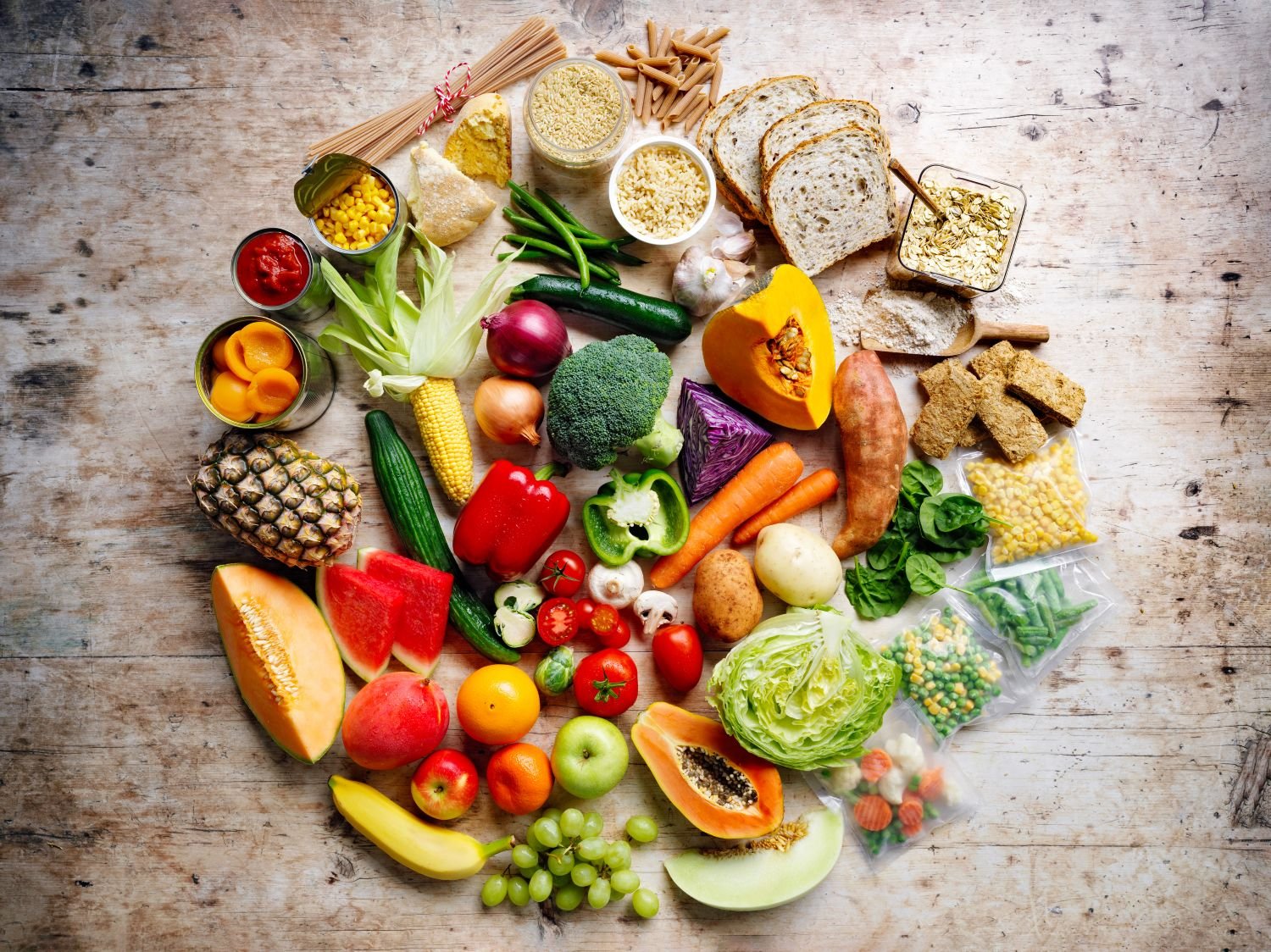
It's hard to know if you're getting enough fibre if you don't actually understand what fibre is. Fibre is a nutrient found in plant foods like fruit, vegetables, whole grains, legumes, nuts and seeds. Your body can't fully digest fibre, so it passes through your digestive system and helps keep your gut healthy, supports regular bowel movements, helps you feel full, and plays an important role in heart health.
There are two types of fibre:
- Soluble fibre: found in legumes, fruits and vegetables, soy milk (and soy products), barley, flaxseeds and psyllium husk. Soluble fibre helps lower LDL cholesterol (‘bad cholesterol’), slow digestion and stabilise blood sugar levels.
- Insoluble fibre: found in the skins of fruits and vegetables, nuts and seeds, whole grains and bran. Insoluble fibre helps ‘bulk up’ stools and supports regular bowel movements.
Both types of fibre are very important for your health. By eating a wide variety of plant-based foods, you can easily get enough of both soluble and insoluble fibre.
The health benefits of fibre
Fibre has many benefits for your health. These include:
- lowering ‘bad’ cholesterol levels
- helping you feel full after meals and supporting a healthy body weight
- regulating blood pressure and blood sugar levels
- supporting digestion and preventing constipation
- feeding the beneficial bacteria in your gut to support gut and colon health
- reducing your risk of cardiovascular disease (CVD) and heart problems.
In fact, research shows that every additional 7 g of fibre per day consumed from food sources may reduce your risk of CVD and coronary heart disease by around 9%. In particular, foods rich in fibre including cereals, vegetables and whole grains have specifically been associated with a lower risk of CVD.
In short, the fibre-maxxing trend didn't appear out of nowhere. Fibre really is extraordinarily beneficial for your heart and overall health, and many people could benefit from eating more of it.
The science
While fibre is an important part of a healthy diet, fibre-maxxing takes things a step further by encouraging people to eat as much fibre as possible.
The problem with this approach is that it treats fibre as the most important part of your diet, when good nutrition is all about balance.
Fibre-maxxing didn't appear out of thin air. It's true that fibre is incredibly important for good health and should be a priority in everyone's diet. But it shouldn't be prioritised at the expense of other major food groups or nutrients like protein, fat and carbohydrates. And perhaps you don't need quite as much fibre as social media would have you believe.
Many people are not currently including enough fibre in their diets. The Australian Dietary Guidelines recommend adults consume 25–30g of fibre daily, but studies suggest most people don't meet these targets.
The fine print
While fibre is important, aiming for 50–100 g each day may be taking things a little too far. Excessive fibre intake can cause bloating, stomach pain or cramping, gas, diarrhoea and/or constipation, particularly if you increase your fibre intake too quickly or you're not drinking enough water.
The truth is, fibre-maxxing in its extreme form isn't necessary for a healthy heart and body. Instead, focus on eating enough fibre, from a wide variety of sources for maximum health benefits.
How to get the 'right' amount of fibre
Eating enough fibre doesn't have to be complicated. Here's an example of a regular day of eating that includes a variety of fibre-rich foods and delivers more than 30 g of fibre:
- Breakfast: ½ cup rolled oats, topped with Greek yoghurt, ½ cup raspberries, 1 tsp chia seeds and 1 tsp nut butter
- Snack: Kiwi fruit and a small bowl of air-popped popcorn
- Lunch: Chicken or tofu salad with leafy greens, ½ cup cooked lentils/quinoa/kidney beans, avocado and, topped with a sprinkle of seeds (e.g. pumpkin and sunflower seeds)
- Snack: Chickpea hummus served with some whole grain crackers (or roasted chickpeas)
- Dinner: Salmon served with ½ cup broccoli, ½ cup edamame beans, and a small roasted sweet potato (pro tip: keep the skin on your potato!)
As you can see, including a variety of whole foods in your regular diet helps you get the fibre you need, without a lot of extra planning or effort.
If you're looking to increase your fibre intake without going overboard:
- include fibre-rich foods in all your meals and snacks throughout the day
- slowly increase your fibre intake over days and weeks to prevent digestive discomfort, bloating and other symptoms
- stay hydrated, especially while increasing your fibre intake
- eat the skins of fruits and veggies where possible – they’re rich in fibre
- choose whole grain sources of carbohydrate such as brown rice, buckwheat, barley, rolled oats and quinoa
- aim to eat a wide variety of plant-based foods each week.
If you’re following a heart-healthy eating pattern and prioritising whole foods in your meals, you’re likely already on track to meet your fibre goals.
The final verdict
Fibre is an essential nutrient and an important part of a heart-healthy eating pattern, but it’s not necessary to ‘fibre-max’ for your heart and overall health.
Aim to include a wide variety of fibre-rich foods in your meals and snacks each day and increase your intake gradually. Your heart and body will thank you for it.
Looking for some high-fibre recipe inspiration? Check out our recipe hub for delicious, nutritious and balanced meals and snacks to help you meet your fibre goals with ease, like these blueberry chia pots or this corn, avocado and chickpea salad.
References
National Health and Medical Research Council. Dietary fibre. Accessed 7 August 2026. https://www.eatforhealth.gov.au/nutrient-reference-values/nutrients/dietary-fibre
Better Health Channel. Dietary fibre. Accessed 6 August 2026. https://www.betterhealth.vic.gov.au/health/healthyliving/dietary-fibre
Threapleton DE, Greenwood DC, Evans CEL, et al. Dietary fibre intake and risk of cardiovascular disease: systematic review and meta-analysis. BMJ. 2013;347:f6879. doi:10.1136/bmj.f6879.
Fayet-Moore F, Cassettari T, Tuck K, McConnell A, Petocz P. Dietary fibre intake in Australia. Paper I: associations with demographic, socio-economic, and anthropometric factors. Nutrients. 2018;10(5):599. doi:10.3390/nu10050599.
Zhang L, Chen Y, Yang Q, et al. The impact of dietary fiber on cardiovascular diseases: a scoping review. Nutrients. 2025;17(3):444. doi:10.3390/nu17030444.
Daley SF, Shreenath AP. The role of dietary fiber in health promotion and disease prevention: a practical guide for clinicians. 2025. Accessed 6 August 2026. https://www.ncbi.nlm.nih.gov/books/NBK559033/
British Heart Foundation. High fibre foods: how much fibre should you eat per day? 2026. https://www.bhf.org.uk/informationsupport/heart-matters-magazine/nutrition/fibre
Veronese N, Gianfredi V, Solmi M, et al. The impact of dietary fiber consumption on human health: an umbrella review of evidence from 17,155,277 individuals. Clin Nutr. 2025;51:325-333. doi:10.1016/j.clnu.2025.06.021.
You might also be interested in...

Sweetness, sugar and heart health
Do natural sugars cause the same harm to your heart as added and refined sugars? We’re revealing what the evidence really shows, and sharing simple strategies to help protect your heart health.

One healthy heart, three powerful benefits
Learn how supporting your heart can also protect your kidneys and reduce diabetes risk. Small lifestyle changes can make a big difference.

5 lifestyle changes for a healthier heart
Want to reduce your heart age? Read on to discover practical strategies to lower your risk.
Last updated23 September 2026