
5 lifestyle changes for a healthier heart
Blog: 26 February, 2026
5 lifestyle changes to reduce your risk of heart disease
Making small, realistic changes to your daily habits can support your heart health and significantly reduce your risk of cardiovascular disease (CVD), including coronary heart disease, stroke and heart failure.Understanding how your lifestyle choices affect your heart is an important first step. Our Heart Age Calculator can help estimate your risk of experiencing a heart attack or stroke based on a range of risk factors. If your heart age is higher than your actual age, your CVD risk may be elevated.
Try our Heart Age Calculator now to see where you’re at.
Want to reduce your heart age? Read on to discover practical strategies to lower your risk.
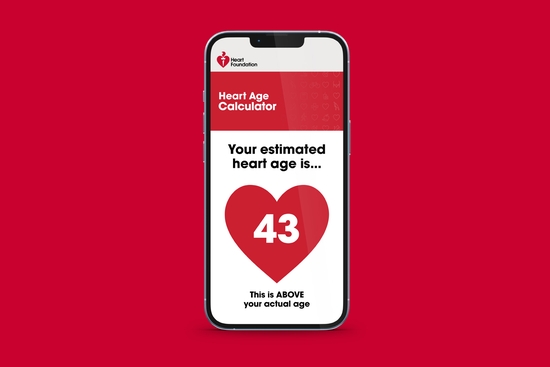
Heart Age Calculator
Take the heart age test to understand your heart disease risk in three minutes.
1. Quit smoking and vaping
In Australia, more than one‑third of CVD‑related deaths in people under 65 are attributed to smoking.
Nicotine from smoking or vaping damages blood vessels and encourages plaque build‑up. This reduces the flow of blood and oxygen around your body, increasing your risk of a heart attack, stroke or heart failure.
Reducing your risk
Quitting smoking and vaping altogether is one of the most effective ways to lower your CVD risk. Cutting back does not provide the same benefits.
Your GP or local clinic can help you quit through options such as nicotine replacement therapy, medicine, and referrals to psychologists or counsellors. Support is also available through Quit resources.
Learn more about the benefits of stopping smoking or vaping, or find additional quitting support.
2. Limit alcohol
Around one in three people in Australia aged 14 and over drink risky amounts of alcohol each week. Your risk of CVD, including high blood pressure, heart failure and stroke, increases in line with the amount of alcohol you consume.
Growing evidence suggests that drinking any amount of alcohol increases your risk of CVD, meaning there’s no “safe” limit you can stick to without causing harm to your heart.
Some of the many ways in which alcohol affects your heart include:
- raising your blood pressure, increasing risk of heart attack and stroke
- Disrupting your heart rhythm and weakening the heart muscle, making it harder to pump blood around your body
- creating inflammation and damaging blood vessels
- increasing ‘bad’ cholesterol levels (LDL-C)
- contributing to weight gain
- increasing your risk of diabetes
- impacting your body’s ability to absorb and process drugs, including heart medicines, which can make them less effective or cause unwanted side effects.
Reducing your risk
Limiting your alcohol intake is essential for reducing CVD risk. At a minimum, keep your consumption within the recommended guidelines (≤10 standard drinks/week and ≤4 at one time).
To support your heart health, have at least two alcohol-free days each week. If you’re going out with friends, consider non-alcoholic options. When you are having alcohol, alternate each alcoholic drink with a non-alcoholic option, and drink plenty of water to avoid dehydration. The best way to support your heart health and reduce CVD risk is to avoid alcohol entirely. If you’re sober curious or need help to reduce your drinking, ask your GP or clinic for support and resources.
Learn more about the impacts of alcohol on your heart, or access tailored support.
3. Move your body more.
Around 46% of adults aged 18+ fail to meet Australia’s physical activity guidelines, with 39% of this group living completely inactive lives.
Living an inactive, sedentary lifestyle significantly increases your risk of CVD. Low levels of physical activity are linked to higher blood pressure and cholesterol, weight gain, reduced blood sugar control, and poor fitness levels.
However, regular physical activity improves mental and physical health, and reduces many risk factors for CVD, including overweight and obesity, high blood pressure and high cholesterol levels.
Reducing your risk
- Aim for 150–300 minutes of moderate physical activity each week, or 75–150 minutes of vigorous exercise. Additionally, try to incorporate some form of strength training two days per week.
- Reduce the time you spend sitting. Stand while you work or take a walk during your lunch break.
- Build movement into your daily habits. Walk or bike to work, or park/get off the bus a few blocks early and walk the rest of the way. Choose stairs over the lift or escalators. When catching up with friends, do something active together instead of defaulting to dinner or drinks.
- Weight training can be done in many different ways. You may choose to lift weights in the gym, or do push ups, pull ups, squats and lunges at home, or even perform household tasks involving lifting, like carrying groceries and gardening.
4. Eat a heart-healthy diet
Many people living in Australia are currently not eating enough vegetables, fruits and whole grains, instead reaching for fast, easy alternatives like ultra-processed foods and takeaway options.
If your diet is high in sodium or added sugars, or contains lots of processed, fried or sugary foods, this increases your risk of CVD.
Replacing the highly processed foods in your diet with whole food alternatives can significantly improve your blood pressure and cholesterol levels, support your immune system and help manage weight gain, improving your heart health and CVD risk.
Reducing your risk:
Small dietary swaps can have enormous benefits for your heart health. Try the following:
- Add high-fibre plant-based foods to your weekly diet, including whole grains (quinoa, buckwheat, oats, brown rice, wholegrain bread and whole wheat pasta), fruits, vegetables, lentils and beans, nuts and seeds. Aim for 3–5 servings of fruit and vegetables per day, including a wide variety of produce to prevent nutrient deficiencies.
- Flavour your foods with natural sources of sweetness like fruit, and gradually reduce the amount of sugar you add to food and coffee/tea.
- Use herbs and spices to flavour meals, instead of salt where possible.
- Prioritise plant-based protein sources like legumes, nuts and seeds, as well as fish and poultry. Limit red and processed meats, as these are high in saturated fats and can increase your CVD risk.
- Choose unflavoured, unsweetened dairy products, and limit options containing added sugars and flavours.
- Choose foods rich in healthy fats, such as avocado, nuts and seeds, and extra virgin olive oil. Limit trans and saturated fats (found in packaged baked and fried foods, margarine, red meat) as these can increase cholesterol and CVD risk.
5. Manage your stress and prioritise mental health
Chronic stress, poor mental health, isolation and loneliness, and inadequate sleep are significant risk factors for CVD. Each of these can cause chronic inflammation, increase blood pressure and damage your arteries, potentially causing heart disease or stroke.
Learn more about how mental health can affect your heart health here.
Stress, poor sleep and mental illness can also drive other heart-harming behaviours like smoking, excessive drinking, poor dietary habits, and physical inactivity. It’s important to intervene or seek help to avoid becoming stuck in a vicious cycle.
Reducing your risk
Ask your GP or clinic to help you manage stress, mental health struggles, insomnia or other sleep issues.
- A psychologist or counsellor can help you manage stress, anxiety, depression, and other mental health complications.
- Try stress management techniques like breathwork, meditation, journalling or gentle yoga.
- Regular physical activity powerfully lowers stress levels and CVD risk, and improves mental wellbeing and mood.
- Prioritise sleep. If you’re struggling to fall or stay asleep, implement a simple nighttime routine around the same time each night, to signal to your brain that it’s time to rest.
Your lifestyle choices and habits can have a profound impact on your heart health and CVD risk. By adopting these practical strategies, you can greatly reduce your risk of developing CVD and improve your overall quality of life.
Looking for somewhere to start?
Try our heart-healthy dinner plans designed to make healthy, nutritious eating easy and enjoyable.
Or check your heart health now using the Heart Age Calculator

You might also be interested in...
Heart Age Calculator
Take the heart age test to understand your heart disease risk in three minutes.
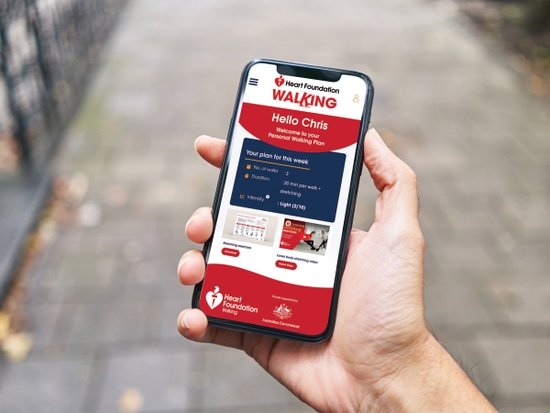
Personal Walking Plans
Get a free six-week walking plan and build healthy habits at your own pace.
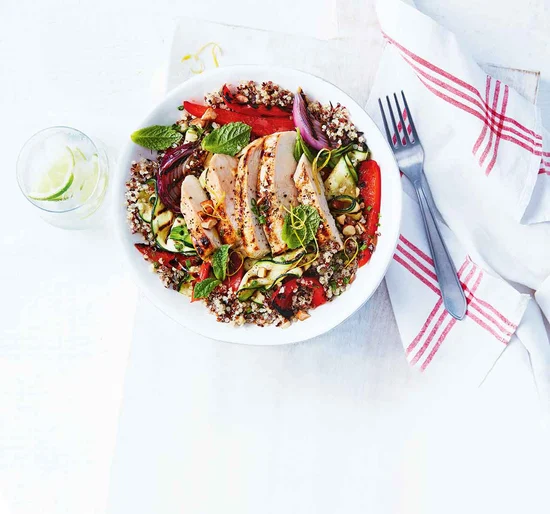
Heart-healthy recipes
Be inspired to cook more meals at home with our collection of delicious recipes.
Last updated23 September 2026