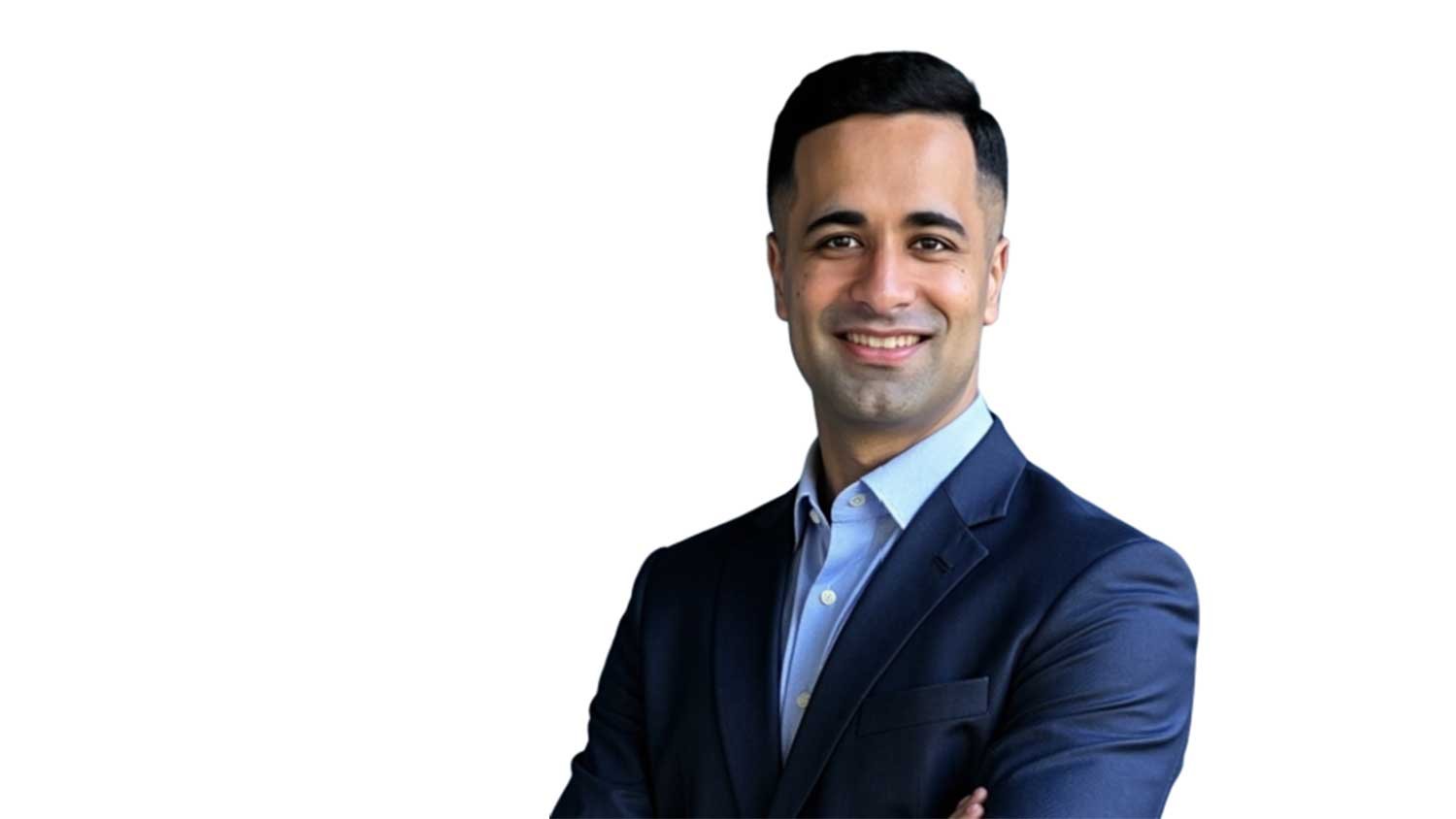
Q&A with Dr Shaun Khanna
Could fat around the heart help predict recovery from heart failure?
Dr Shaun Khanna is a cardiologist and PhD candidate with a strong interest in cardiac imaging and cardiometabolic disease. Supported by a 2025 Heart Foundation Postgraduate Scholarship, Dr Khanna is using advanced heart scans to study epicardial fat, a layer of fat that sits on the surface of the heart, and whether it can help doctors identify which people are most at risk and who is most likely to recover with treatment. His research aims to support more personalised care, helping clinicians identify who may need closer monitoring or more intensive treatment, and who may be most likely to recover with modern heart failure therapies.
What are you currently researching?
Heart failure affects an estimated 146,000 adults in Australia and can have a major impact on quality of life. Some people respond well to treatment, while others continue to experience symptoms or need further care, and it can be difficult to predict what will happen for each person.
Using cardiac CT scans, I will measure epicardial fat in people with heart failure and compare it with people who have normal heart function. Scientists believe this fat may influence inflammation and heart health, potentially affecting how people recover from heart failure. I hope to find out whether measuring epicardial fat can become a practical way to help doctors identify risk and predict who is most likely to improve with modern heart failure treatments.
What difference will your research make to people’s cardiovascular health in Australia?
This research could help improve how heart failure is assessed and managed in Australia. If epicardial fat is shown to be a useful marker of risk and recovery, doctors may be able to personalise treatment more effectively, rather than taking a one-size-fits-all approach.
For some people, this could mean earlier identification and closer monitoring if they are less likely to recover. For others, it may help avoid unnecessary interventions if they are likely to respond well to treatment. In the longer term, this research may also help identify who is most likely to benefit from therapies that target inflammation and excess fat around the heart. Ultimately, the goal is to reduce hospital visits, improve quality of life and support better care for people living with heart failure.
What motivated you to do your research?
As a cardiologist, I regularly care for people with heart failure and see how unpredictable the condition can be. Some people recover remarkably well, while others continue to deteriorate, even when they receive similar treatments. This motivated me to better understand the biological factors that may explain these differences.
Epicardial fat is an under-recognised but potentially important contributor to heart disease. With advances in heart imaging, we can now measure this fat more accurately. I’m motivated by the opportunity to use these tools to uncover meaningful markers that can help guide clinical decisions and improve outcomes for patients.
Are there any achievements or discoveries from the past year you can share with us?
Over the past year, I have achieved several clinical and research milestones that have strengthened the foundation for my PhD. I obtained Level A accreditation in cardiac CT coronary angiography, which reflects advanced training in reading heart CT scans used in routine care. I also completed the internationally recognized echocardiography accreditation demonstrating expertise in heart ultrasound.
Alongside these clinical achievements, I have contributed to peer-reviewed publications and conference presentations focused on cardiac imaging, adipose tissue biology and cardiovascular risk.
What role has Heart Foundation funding had in your career journey?
Heart Foundation funding is critical to my development as an early-career clinician-researcher. The Postgraduate Scholarship gives me protected time to focus on high-quality research while continuing my clinical training.
This support allows me to build advanced skills in imaging research, data analysis and scientific leadership. It also gives me recognition and mentorship opportunities that will help establish my future career in cardiovascular research, while enabling me to pursue clinically relevant questions that may not otherwise be possible alongside full-time clinical work.
Do you have a message for Heart Foundation supporters?
Thank you for your generous support of heart research in Australia. Your contribution makes it possible for researchers like me to investigate new ways to better predict, treat and improve outcomes for people living with heart failure.
By supporting this work, you are helping advance research that has the potential to directly improve patient care and shape the future of cardiovascular medicine. Your support is deeply appreciated.
You might also be interested in...
Researcher Q&A with Dr Sarang Paleri
Q&A with Dr Sarang Paleri on using AI to detect heart disease earlier and help prevent future heart attacks.
Q&A with Dr Sheran Vasanthakumar
Dr Sheran Vasanthakumar discusses his research exploring how routine mammograms could help identify heart disease risk in women earlier.

Q&A with Dr Prajith Jeyaprakash
Using ultrasound therapy to improve blood flow and save heart muscle during a heart attack
Last updated20 August 2026