Seed oil misinformation
Media release: Wednesday 6 May, 2026
Heart Week 2026
Heart Foundation tackles misinformation about seed oils
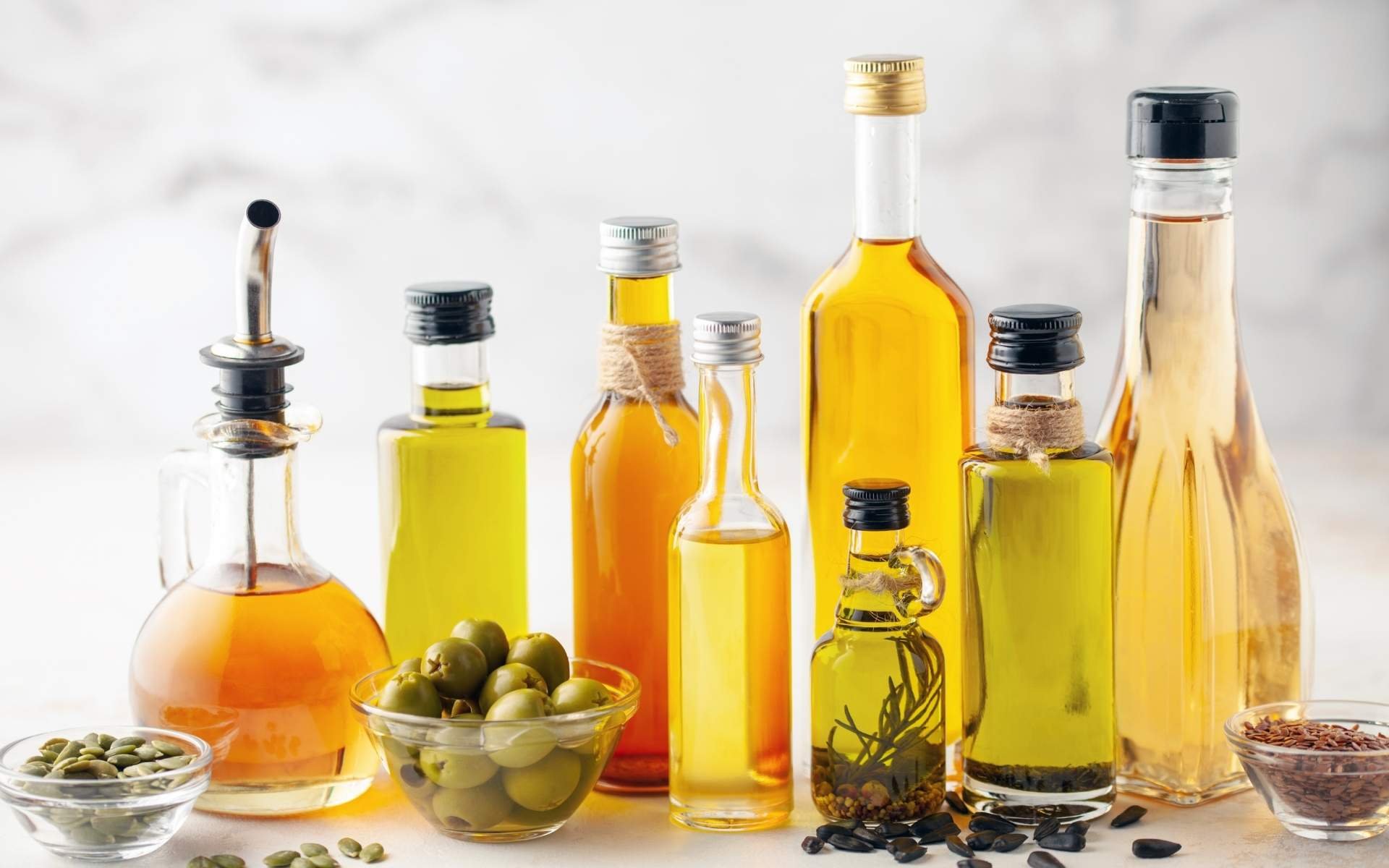
Online misinformation about cooking oils – particularly seed oils - has prompted the Heart Foundation to help set the record straight this Heart Week.
Current evidence shows that oils high in unsaturated fats, including common seed oils such as canola, sunflower and soybean, support heart health when used in place of saturated fats like butter, coconut oil and ghee.
Heart Foundation dietitian Nikita Kelly said many of the concerns about seed oils stemmed from misunderstandings and misinterpretation of early research.
“Much of the fear around seed oils came from tightly controlled animal or laboratory studies, which doesn’t translate to real-world human diets. The most important fact is that seed oils don’t cause inflammation in humans”, Ms Kelly said.
Responding to misconceptions about seed oils, Ms Kelly explained:
Seed oils themselves are not the problem. However, they’re often present in many ultra-processed foods that are high in salt, sugar and kilojoules which can lead people to incorrectly assume the oil is what makes those foods unhealthy.
Nikita Kelly
Heart Foundation dietitian
The growing promotion of saturated fats is concerning from a heart health perspective.
“When misinformation encourages the use of saturated fats such as tallow, butter and ghee, it increases the likelihood of choices that raise overall saturated fat intake, and over time, heart disease risk."
“It’s really easy to get caught up on singular foods and single nutrients, but what matters most for your heart health is your overall eating pattern.”
Ms Kelly said the Heart Foundation recommended healthy fats such as olive oil, avocado, peanut and seed oils as part of a heart healthy eating pattern.
Further reading
- To learn more about a heart‑healthy eating pattern, visit the Heart Foundation’s heart‑healthy eating pattern page.
- For evidence‑based guidance on cooking oils, see the Heart Foundation’s fats, oils and heart health information page.
- The Heart Foundation has also covered the topic of cooking oils in this week’s episode of its The Beat podcast, available on all good podcast platforms including Apple and Spotify.
You might also be interested in...
.webp?width=560&height=auto&format=pjpg&auto=webp)
Nuts: An everyday superfood for heart health
Daily consumption of nuts linked to major cardiovascular benefits

How ‘friendly’ is your child’s lunchbox?
Heart Foundation calls for more support for misled parents preparing school lunchboxes

Get vaccinated ahead of cold and flu season to protect heart health
Get vaccinated ahead of cold and flu season to help protect yourself and people with cardiovascular disease from serious complications
Last updated06 May 2026