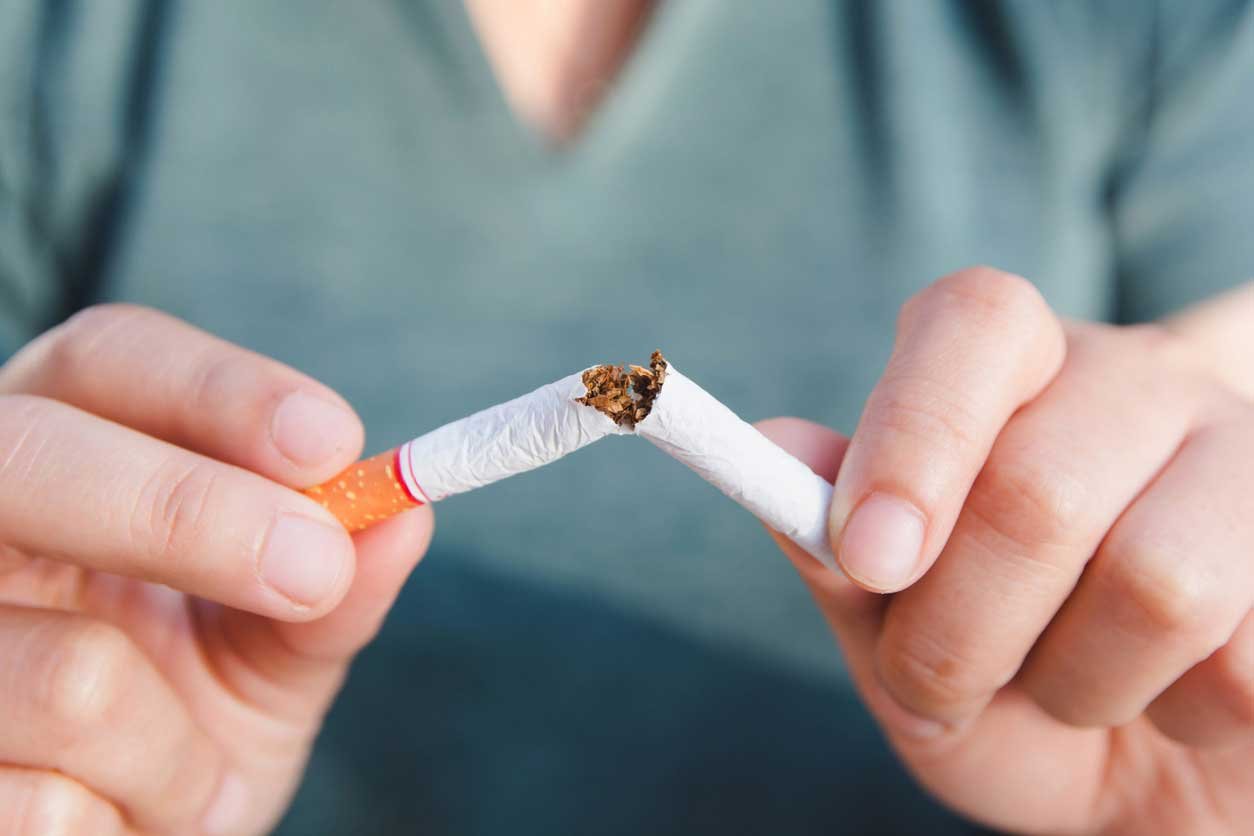
Smoking, vaping and your heart
Smoking and vaping in Australia
Although the rate of cigarette smoking has been dropping in Australia since the early 1990s, approximately 1.8 million people still smoke. At the same time, the use of e-cigarettes, also known as vaping, has been steadily increasing. Concerningly, the largest number of people taking up vaping are aged between 18 and 24, with nearly 50% of people in that age group reporting having tried e-cigarettes at least once. This is compared to the about 20% of people in that age group who have tried cigarette smoking at least once. While some people use vaping as a way to help them quit cigarette smoking, many others have started vaping without ever smoking cigarettes. This group of people are three times more likely to start cigarette smoking than people who have never vaped.
What are vapes?
E-cigarettes, or ‘vapes’, are devices that use a battery to heat a liquid into an aerosol or vapour that can be inhaled. The liquid – called e-juice, e-liquid or vape juice – contains chemicals, flavourings and usually nicotine. In Australia, e-cigarettes and vapes are only legally available to people aged 18 and over through a pharmacy. Vapes sold at other stores are illegal. Because these illegal vapes are bypassing the regulations enforced by the Therapeutic Goods Administration, they can contain harmful and unknown chemicals, very high doses of nicotine, and are often mislabelled as not containing nicotine when they actually do.
What do smoking and vaping do to your heart?
It is well known that cigarette smoking has serious damaging effects on your health. But there is still a lot that we don’t know about how your body reacts to vaping. However, the current evidence suggests that vaping is also bad for your heart.
The effects of smoking
Smoking has both short- and long-term effects on your heart and blood vessels. This includes:
- Raising your heart rate and blood pressure immediately after smoking.
- Making your blood ‘sticky’, or more likely to clot, which can lead to heart attack or stroke.
- Increasing the levels of bad cholesterol in your blood, which increases your risk of heart attack, stroke, peripheral artery disease and other heart diseases.
- Making your blood vessels stiffer and less able to move blood around your body properly. This can increase your risk of a heart attack, stroke or chest pain (angina).
- Reducing the amount of oxygen that your blood can carry by replacing the oxygen with harmful carbon monoxide.
- Contributing to the build-up of fatty deposits, or plaques, in your arteries leading them to become narrowed or blocked (atherosclerosis). This can slow or stop blood supply leading to heart attack or stroke.
The effects of vaping
Some short-term effects of vaping have been found, but we don’t know yet what the long-term effects may be. Some of the known effects of vaping include:
- Some short-term effects of vaping have been found, but we don’t know yet what the long-term effects may be. Some of the known effects of vaping include:
- Raising your heart rate and blood pressure.
- Making your blood vessels stiffer and less able to move blood around your body properly. This can increase your risk of a heart attack, stroke or chest pain (angina).
- Increasing the levels of bad cholesterol in your blood, which increases your risk of heart attack, stroke, peripheral artery disease and other heart diseases.
Second-hand smoke and vapour
Second hand smoke or vapour is the material that is breathed out or released from the cigarette/vape of someone smoking or vaping. Breathing in second-hand smoke can damage your arteries, cause heart disease, and make the platelets in your blood become sticky and more likely to form clots – just like in a person who smokes. If you already have heart disease, you are at greater risk from exposure to second-hand smoke than people who don't. Less is known about second hand vapour, but early studies suggest that it may be harmful. Second hand vapour can contain nicotine and other chemicals that are harmful to your heart.
Cardiovascular outcomes from smoking and vaping
Overall, people who smoke are:
- 250% more likely to have a heart attack.
- 200% more likely to have a stroke.
- 500% more likely to develop peripheral arterial disease.
- 300% more likely to die of heart disease (i.e. heart attack and stroke).
- 300% more likely to die from sudden cardiac arrest.
Overall, people who vape are:
- 300% more likely to take up smoking.
- Nearly 20% more likely to develop heart failure.
- 33% more likely to have a heart attack.
What about other sources of nicotine?
In addition to cigarettes and vapes, there are multiple other products that people smoke, vape, or consume that contain tobacco and/or nicotine. These include:
- Nicotine gums, pouches, tablets, lozenges, and lollies – products that are chewed or sucked on that contain nicotine.
- Snuff and snus – finely ground tobacco that is sniffed or snorted into the nose (snuff) or placed in the mouth to absorb nicotine through the gums (snus).
- Heated tobacco products – devices that heat tobacco to a high enough temperature to release nicotine (and other chemicals) as aerosols without actually burning or combusting the tobacco in to smoke.
- Hookahs, waterpipes and shisha pipes – devices that are used to smoke tobacco which pass the smoke through water before it is inhaled.
- Bidis and kreteks – types of small, hand-rolled cigarettes that contain tobacco and often flavouring.
Like vaping, there is often the misconception that these products are safe. This is not true. The nicotine contained in these products still has the same damaging impacts on your body and heart as it does from smoking and vaping.
Quitting smoking and vaping
Both cigarettes and e-cigarettes contain nicotine, which is a very addictive chemical. This makes it very difficult for people to quit smoking, even if they want to. It also causes some people to start smoking again after they have successfully quit for a while. This can be very disheartening, but it is important to keep trying.
The benefits of quitting
One year after quitting smoking, your risk of a heart attack or stroke is reduced by half. In 5 to 15 years, your risk of stroke and coronary heart disease returns to that of someone who has never smoked.
Getting help to quit
If you are a smoker and are ready to quit, thinking about quitting, or want to help someone else to quit, there is help available. A good place to start is to talk to your doctor or health practitioner about giving up smoking.
You can also visit the Quit website, download the My QuitBuddy app, or call the Quitline on 13 7848 to learn about things you can do to help you successfully quit.
FAQs
Why is smoking bad for my health?
Cigarette smoking is one of the leading causes of preventable death in Australia. This is because during smoking, you inhale thousands of different chemicals such as tar, formaldehyde, carbon monoxide, arsenic and lead. Some of these chemicals can cause cancer (carcinogens) and others can cause damage to nearly every organ in your body, including your lungs, kidney, liver, brain, ears, eyes, bones, teeth and gums, and reproductive organs. Smoking is particularly bad for your heart and blood vessels as it can reduce how well your blood vessels work and increase your risk of developing clots or blockages in them.
Why is vaping bad for my health?
During vaping, you inhale hundreds of different chemicals such as lead, acetone and formaldehyde. Some of these chemicals can cause cancer (carcinogens) and others can damage your lungs, heart and blood vessels. Because vaping is still relatively new, we can not yet determine what the long-term effects on your body may be.
Is vaping safer than smoking?
E-cigarettes contain different, and fewer, chemicals than cigarettes. Because of this, many sources indicate that vaping may be safer than smoking. However, it is important to remember that being safer than smoking does not mean it is safe. Because vaping is still relatively new, we can not yet determine what the long-term effects on your body may be.
What can my GP do to help me quit smoking or vaping?
Your GP has a few different ways to help you quit smoking or vaping. This can include medicines, counselling, or nicotine replacement therapies. When recommended by your GP or pharmacist, e-cigarettes or vapes are a form of nicotine replacement therapy. Your GP can consider your situation, your health conditions, and how much you are smoking or vaping, and work out what approach may work best for you.
Will vaping help me to quit smoking?
For some people, vaping can help them to quit smoking. This is because you can inhale a fix amount of nicotine, which can be reduced over time. Like all nicotine replacement therapies though, it is crucial that you eventually stop using them as part of your quitting plan.
How can I de-stress without smoking/vaping?
It is a common misconception that smoking or vaping helps you to de-stress. The reason you may feel calm after smoking is that the nicotine contained in cigarettes and vapes causes your brain to release dopamine – a chemical that makes you feel good. But this feeling only lasts for a few minutes, and over time your brain changes, making you want to smoke more. When tested clinically there is no reduction in stress after smoking a cigarette. In fact, smoking actually leads to worsened symptoms of anxiety and stress.
References
1. Australian Institute of Health and Welfare. Electronic cigarette use (vaping) in Australia in 2022–2023. 2024. Accessed 12 January 2026. www.aihw.gov.au/reports/australias-health/vaping-e-cigarettes
2. Australian Institute of Health and Welfare. Children and young people’s experiences of alcohol and other drugs. 2025. Accessed 11 February 2026. www.aihw.gov.au/reports/alcohol/alcohol-drugs-young-people
3. Alhindal M, Janahi J, D'Angelo EC, et al. Impact of smoking on cardiovascular health: Mechanisms, epidemiology and specific concerns regarding congenital heart disease. Int J Cardiol Congenit Heart Dis. 2025;20:100581.
4. Gallucci G, Tartarone A, Lerose R, Lalinga AV, Capobianco AM. Cardiovascular risk of smoking and benefits of smoking cessation. J Thorac Dis. 2020;12(7):3866–3876.
5. van der Plas A, Antunes M, Pouly S, de La Bourdonnaye G, Hankins M, Heremans A. Meta-analysis of the effects of smoking and smoking cessation on triglyceride levels. Toxicol Rep. 2023;10:367–375.
6. Rahman M, Alatiqi M, Al Jarallah M, et al. Cardiovascular Effects of Smoking and Smoking Cessation: A 2024 Update. Glob Heart. 2025;20(1):15.
7. Baenziger ON, Ford L, Yazidjoglou A, Joshy G, Banks E. E-cigarette use and combustible tobacco cigarette smoking uptake among non-smokers, including relapse in former smokers: umbrella review, systematic review and meta-analysis. BMJ Open. 2021;11(3):e045603.
8. Sharma A, Gupta I, Venkatesh U, Singh AK, Golamari R, Arya P. E-cigarettes and myocardial infarction: A systematic review and meta-analysis. International Journal of Cardiology. 2023;371:65–70.
9. Bene-Alhasan Y, Mensah SO, Almaadawy O, et al. Electronic nicotine product use is associated with incident heart failure - The All of Us Research Program. Journal of the American College of Cardiology. 2024;83(13_Supplement):695.
10. Fetterman JL, Keith RJ, Palmisano JN, et al. Alterations in Vascular Function Associated With the Use of Combustible and Electronic Cigarettes. J Am Heart Assoc. 2020;9(9):e014570.
11. Ashour AM. Use of Vaping as a Smoking Cessation Aid: A Review of Clinical Trials. J Multidiscip Healthc. 2023;16:2137–2144. 12. Czogala J, Goniewicz ML, Fidelus B, et al. Secondhand exposure to vapors from electronic cigarettes. Nicotine Tob Res. 2014;16(6):655–62.
You might also be interested in...

What is heart disease?
Heart disease is a major cause of health problems and death in Australia, but it’s often preventable. Learn more about the different types of heart disease.

Heart attack recovery – quit smoking
Learn how quitting smoking can support heart attack recovery and improve your health. Get tips and guidance to quit for a healthier heart.
Smoking, tobacco and e-cigarette regulation
Smoking rates are coming down in Australia but there are still more than 20,000 deaths caused by smoking every year.
Last updated27 March 2026
Last reviewed29 February 2024