Q&A with Professor Jelena Rnjak Kovacina
Engineering next-generation aortic valves with biomimetic silk materials
Professor Jelena Rnjak Kovacina is a Professor of Biomedical Engineering at UNSW Sydney, specialising in biomaterials and tissue engineering for cardiovascular health. Her research brings together engineering, biology and medicine to design materials that can help improve treatments for cardiovascular disease. Jelena leads a multidisciplinary research team and has been recognised through national awards and competitive funding from the ARC, NHMRC, NSW Health and the Heart Foundation. She recently established a dedicated Heart Valve Prototyping and Testing Facility to support innovation in valve therapies. Jelena received a 2025 Heart Foundation Future Leader Fellowship to support her work developing next-generation silk-based heart valves.
What are you currently researching?
Heart valve disease is a serious condition where the valve leaflets, flaps that helps control blood flow through the heart, becomes too stiff to open properly, forcing the heart to work harder and potentially leading to heart failure. Often, the only effective treatment is to replace the damaged valve, but the replacement valves used today can wear out over time, meaning some people may need multiple surgeries throughout their lives.
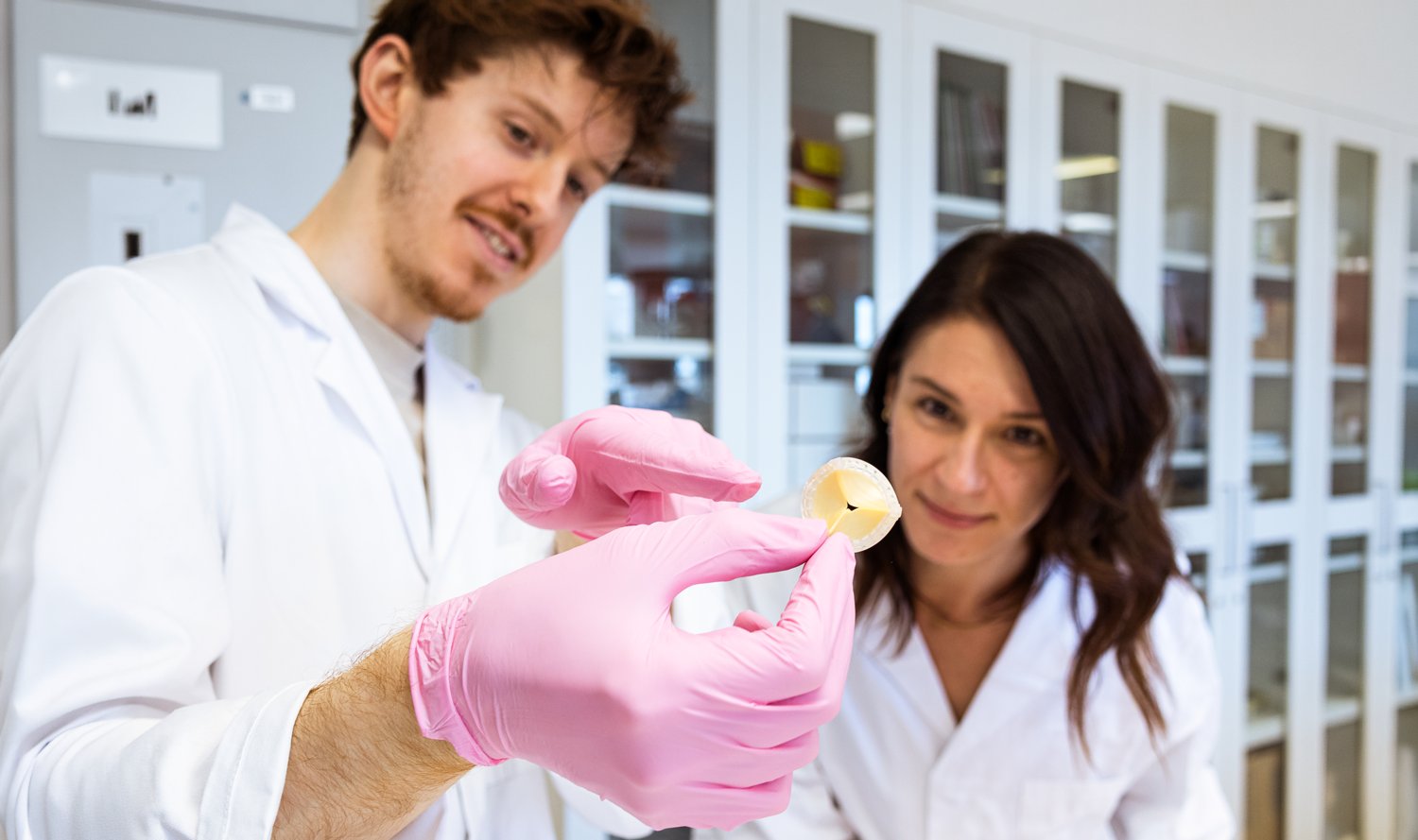
My research aims to create a new generation of heart valves made from silk. Silk is a natural material that is strong, flexible and works well with the body. Using advanced manufacturing techniques, we can engineer silk to mimic the complex, layered structure of a natural heart valve.
Unlike current replacement valves, these silk valves are designed to support the body's own cells to grow into and gradually replace the implant. Our goal is to create a longer-lasting, living heart valve that could reduce the need for repeat surgeries and improve outcomes for people living with heart valve disease.
What difference will your research make to people’s cardiovascular health in Australia?
Heart valve disease is becoming more common as Australia’s population ages. Current replacement valves can fail too soon, especially for younger people who may need more than one surgery over their lifetime.
If successful, this research could help create longer-lasting, living heart valves that work with the body, rather than only replacing a damaged valve. This could reduce the need for repeat surgery, improve quality of life and help lower healthcare costs. In the longer term, it could give doctors a safer and more durable option for treating heart valve disease.
What motivated you to do your research?
My motivation for this research comes from my background in biomimetic biomaterials and in situ tissue engineering, where I have seen how carefully designed materials can guide the body’s own natural repair processes. For more than 10 years, I have been researching ways to create materials that work with the body rather than against it.
Heart valve disease is a powerful example of where a new approach is urgently needed. Unlike many other cardiovascular conditions, there is currently no effective treatment that can slow, stop or reverse heart valve damage once it begins. People often rely on valve replacement, but the replacement valves available today still have important limitations.
I believe the next generation of heart valves should do more than simply replace damaged tissue. They should support the body to regenerate healthy tissue and integrate naturally over time. The possibility of developing a valve that can repair, remodel and potentially last a lifetime is what motivates me to do this work.
Are there any achievements or discoveries from the past year you can share with us?
Over the past year, my team developed a three-layered silk material that closely copies the structure and movement of the flaps in a heart valve. This material is helping us build better laboratory models of heart valve disease and could also support the development of more durable valve replacements in the future.
With collaborators, we have also improved our laboratory systems so we can test engineered tissues under mechanical conditions that are closer to what happens in the body. In addition, we established a specialised Heart Valve Prototyping and Testing Facility to support the design and testing of new valve materials.
What role has Heart Foundation funding had in your career journey?
Heart Foundation funding is helping my team take this work in an important new direction. It gives us the opportunity to develop silk-based heart valves that are designed to mimic natural valve tissue and guide the body to regenerate healthy tissue.
This support is also helping me pursue my broader goal as a biomedical engineer: to translate biomaterials research into better treatments for cardiovascular disease. It enables us to bring together engineering, biology and medicine in a way that could lead to real improvements for people living with heart valve disease.
Do you have a message for Heart Foundation supporters?
Thank you for supporting research that aims to transform the way we treat heart valve disease. Your generosity is helping us explore a new solution for a condition where current treatment options are still limited.
With your support, we are developing silk-based heart valves that are designed to work with the body and encourage healthy new tissue to grow. This research has the potential to reduce repeat surgeries and improve lives for thousands of people affected by heart valve disease. We could not do this work without you.
You might also be interested in...
.jpg?width=560&height=auto&format=pjpg&auto=webp)
What is heart valve disease?
Heart valve disease means that your heart valve or valves don't open or close properly.
.webp?width=560&height=auto&format=pjpg&auto=webp)
Future Leader Fellowship
The fellowship supports aspiring leaders who are developing independence and developing their own research portfolio, through to established leaders of cardiovascular research groups with extensive research portfolios.
Health for Every Heart
The Heart Foundation has a 25-year vision for heart health in Australia
Last updated03 August 2026