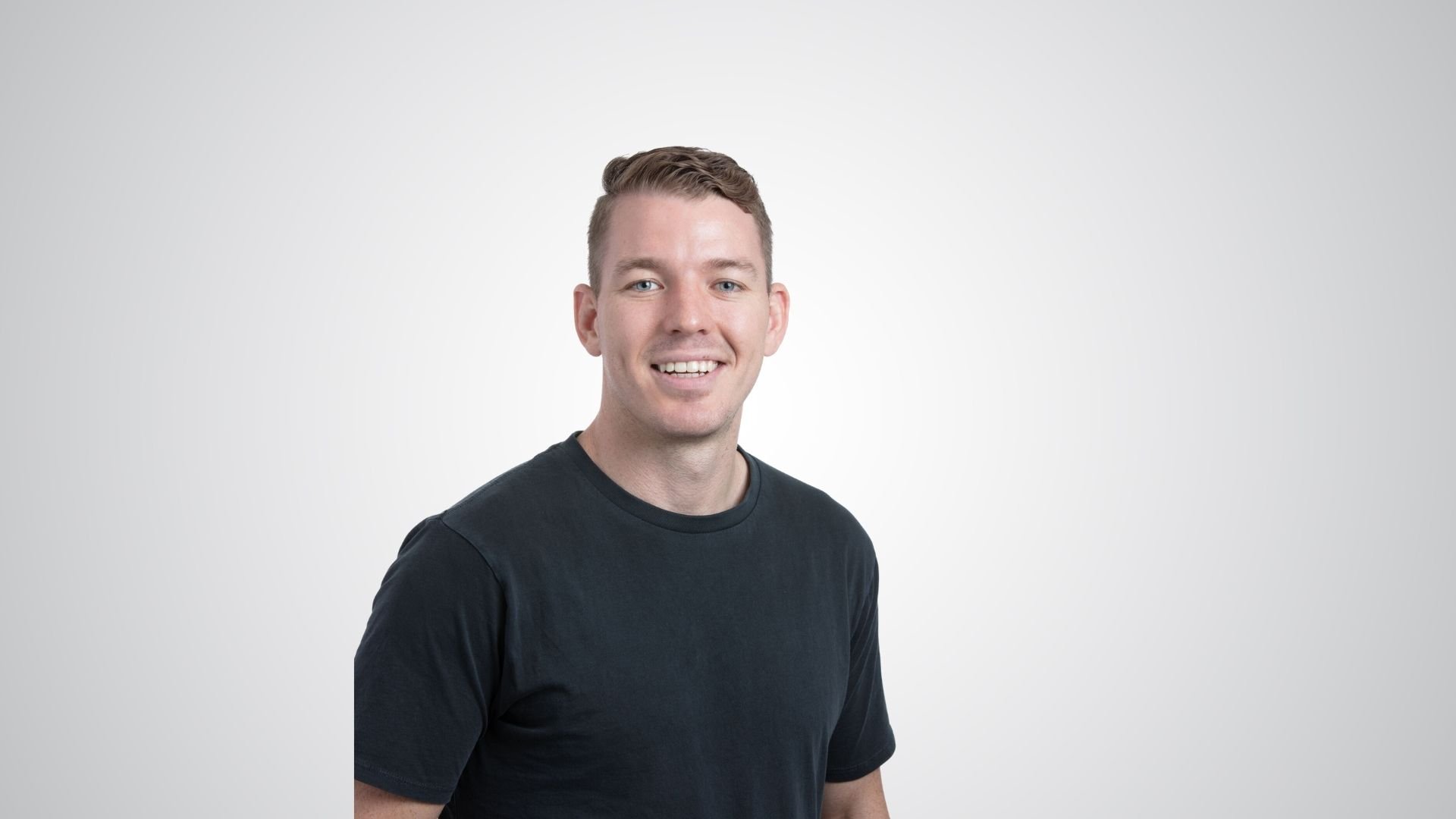
Q&A with Dr Bryce Brickley
Exploring the role of Aboriginal and Torres Strait Islander men's groups in cardiovascular health promotion in very remote Australia
Dr Bryce Brickley is a Senior Research Fellow at Flinders University and a dietitian based in Darwin, Northern Territory. His work focuses on improving heart health for Aboriginal and Torres Strait Islander men in very remote communities by partnering closely with local groups to create practical, community-led solutions.
What are you currently researching?
I’m working with the communities of Milikapiti and Nauiyu in the Northern Territory to support and strengthen community-led men’s groups that focus on heart health and wellbeing. We’re establishing a new men’s group in Milikapiti, encouraging cultural exchange between the two communities, and exploring how these activities can improve men’s heart health and social and emotional wellbeing. Our aim is to create practical, community-owned ways to improve heart health in very remote areas, guided by Indigenous knowledge and community priorities.
What difference will your research make to people’s cardiovascular health in Australia?
My research aims to close the gap in heart health for Aboriginal and Torres Strait Islander men living in very remote parts of Australia."
Dr Bryce Brickley
Senior Research Fellow
By focusing on community leadership and local knowledge, we’re developing a model that supports men’s groups to promote heart health in a culturally safe way. This project will help us understand how group participation affects things like nutrition, physical activity, smoking, and access to healthcare. Ultimately, we hope to create a scalable, community-led approach that can be used in other remote communities to improve heart health equity.
What motivated you to do your research?
I’m motivated by the significant heart health challenges faced by Aboriginal and Torres Strait Islander men in very remote areas, where access to healthcare is often limited. My research is built on strong, long-term relationships with community partners. This ensures our work responds to local needs. I’m passionate about deepening our understanding of how heart health connects with social and emotional wellbeing and about supporting Aboriginal and Torres Strait Islander communities to lead the way in finding solutions that matter to them.
Are there any achievements or discoveries from the past year you can share with us?
Since 2023, I’ve served on the Heart Foundation Northern Territory Local Advisory Board and was promoted to Deputy Chair in 2025. I’m proud to partner with Mamulbak, the Indigenous-owned community organisation facilitating the Nauiyu Men’s Group, which won the 2025 NT Aboriginal Social and Emotional Wellbeing Award. Recently, I published work in The Lancet on gender justice, calling for greater focus on Indigenous and remote populations in global health conversations. I also helped develop community engagement standards for Aboriginal and Torres Strait Islander leadership in a major men’s heart health research trial.
What role has Heart Foundation funding had in your career journey?
As an early career researcher, this funding has been vital. It allows me to continue the community engagement I’ve built over the years, especially in remote areas where resources are limited. The support strengthens my partnerships with Aboriginal and Torres Strait Islander communities, helps develop research capacity, and encourages two-way learning. Looking ahead, this funding positions me to become a national leader in cardiovascular research in remote settings and to grow a cross-cultural, multidisciplinary research team.
Do you have a message for Heart Foundation supporters?
Thank you sincerely for your generous support. Your contributions help advance research that promotes heart health equity for Aboriginal and Torres Strait Islander men, especially in very remote communities. Your support enables meaningful, community-led research and strengthens my ability to lead initiatives that improve health outcomes and build lasting local capacity.
You might also be interested in...

Aboriginal and Torres Strait Islander Men’s Groups for Heart Health Equity
Doctor Bryce Brickley, Flinders University- Research directory | Heart Foundation
First Nations CVD Grant
This funding opportunity is expected to produce tangible outcomes with the potential to create high-impact change to the cardiovascular health of First Nations peoples.
How should data from wearable health technology be embedded in primary healthcare...
Dr Kylie Gwynne, Heart Research Institute - 2023 First Nations CVD Grant
Last updated01 July 2026