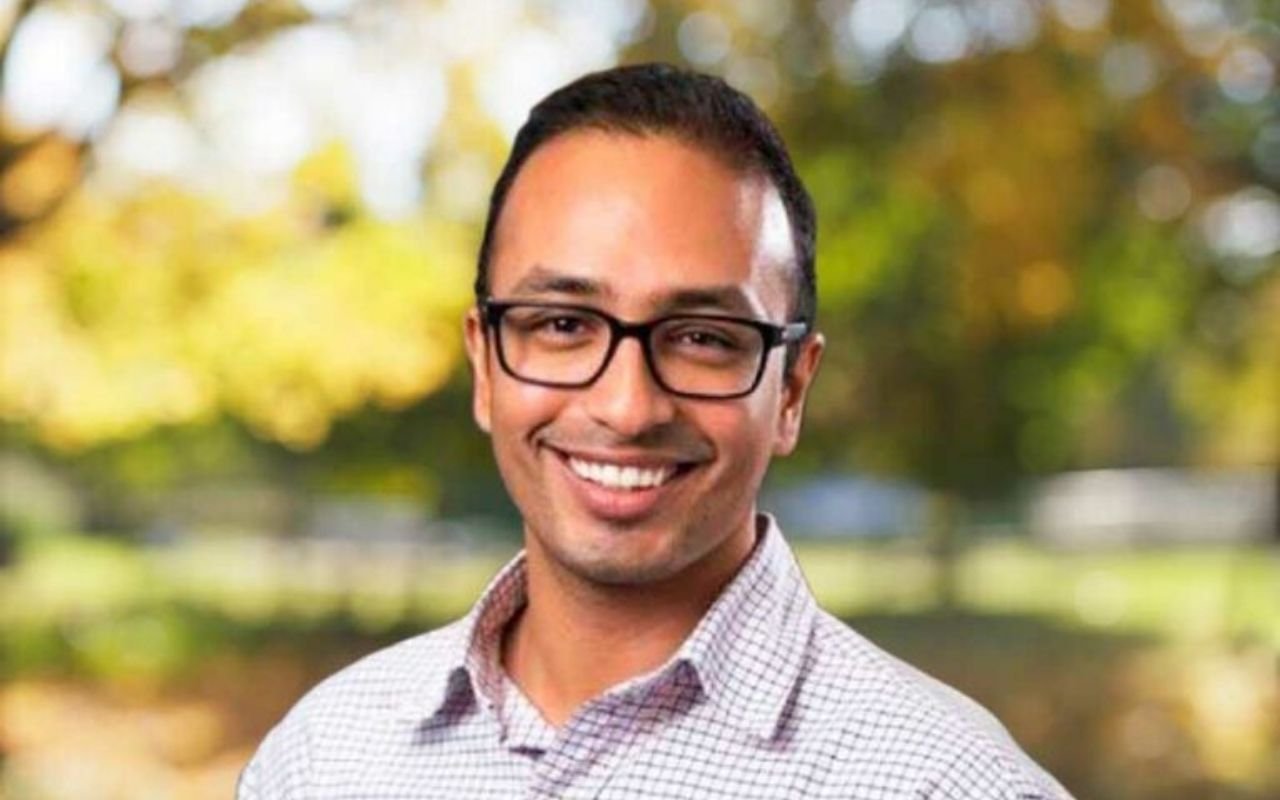
Q&A with Associate Professor Nitesh Nerlekar
Leveraging mammograms to identify heart disease risk earlier
Dr Nitesh Nerlekar is a cardiologist and clinician-researcher at the Victorian Heart Hospital and Monash University. His work focuses on detecting heart disease earlier, particularly in women, whose risk is often underestimated. He pairs medical imaging with new technology to find heart disease before symptoms appear.
What are you currently researching?
I lead research into whether routine breast screening can also reveal early signs of heart disease. Many women have regular mammograms, and the same scans can show a build-up of calcium in the breast arteries, which is closely linked to a higher risk of heart disease.
Working with BreastScreen, we use artificial intelligence to measure that calcium and turn it into an early warning that can prompt a heart health check. We are also asking women how they feel about the approach, and testing whether sharing the results helps them act to lower their risk.
What difference will your research make to people’s cardiovascular health in Australia?
It could catch heart disease much earlier, before people feel unwell or have a heart attack or stroke. Women are more often diagnosed late, when treatment options are already limited.
Moving from late treatment to early prevention could keep more people well and out of hospital, and make good heart care fairer to reach across Australia.
What motivated you to do your research?

As a cardiologist, I often meet people who are shocked to learn they have advanced heart disease, even though they feel well and had few warning signs.
Professor Nitesh Nerlekar
Research Fellow
It happens far too often in women, whose risk is routinely underestimated.
That is what drives my research: finding practical, everyday ways to spot heart disease sooner and more accurately.
Are there any achievements or discoveries from the past year you can share with us?
Over the past year, my team has shown that pairing medical imaging with data analysis can reliably flag people at higher risk of heart disease, long before symptoms appear. We have also shown that artificial intelligence can read these scans safely and accurately, helping move discoveries into everyday care sooner.
What role has Heart Foundation funding had in your career journey?
Heart Foundation funding has been essential to research that puts patients first. It has given me the time and independence to build a strong research team and gather the evidence that improves patient care, while supporting the early-career scientists coming up behind me.
It also helps turn discoveries into real improvements in patient care.
Do you have a message for Heart Foundation supporters?
Thank you for your generous support of heart research. Your contribution is helping us find heart disease earlier and prevent serious events for people across Australia, especially those who might otherwise go undiagnosed.
It also allows clinician-researchers like me to turn that research into practical care that reaches real patients and their families.
You might also be interested in...

Dr Alexandra Murphy
SMARTphone-based cardiovascular risk reduction in BREAST cancer patients: A multi-site randomized controlled trial

Optimising heart health in breast cancer patients: The SMARTBREAST 2.0 trial
Dr Alexandra Murphy, Institute for Breathing and Sleep - 2023 Postdoctoral Fellowship
Q&A with Dr Katharine McBride
Keeping the heart strong: Testing a heart health promotion program co-designed by Aboriginal women
Last updated08 July 2026
Last reviewed06 July 2026