
Get the Blueprint
Blueprint 4th edition (PDF or Print) - Register your interest

Blueprint for an Active Australia
Action area 12: Mass reach strategies

Authors: Adrian Bauman, Corneel Vandelanotte, Trevor Shilton, Justine Leavy, James Kite, Ronald Plotnikoff
Key messages
Mass reach strategies such as mass media campaigns, scalable digital interventions and mass participation events, are fundamental components of physical activity promotion, as they are wide-reaching and they improve awareness and uptake of physical activity. Mass reach campaigns have been running to promote physical activity for many years in Australia. Social media and digital technology have enabled new strategies to potentially improve physical activity engagement and participation, while events such as parkrun demonstrate the success of community-based mass participation events.
Strategic priorities
Key strategic priorities for using mass reach strategies to support physical activity:
- Develop an intersectoral National Physical Activity Plan underpinned by mass reach strategies and supported by local and jurisdictional campaigns using consistent formats and overarching consistent themes and messages about promoting physical activity.
- Support digital interventions to achieve greater access, reach and sustainable impact across population groups, settings and contexts.
Sustainable Development Goals
The United Nations Sustainable Development Goals1 relating to use of mass reach strategies to support physical activity include:

For more information see Appendix 1
Why are mass reach strategies important for increasing physical activity?
Mass reach strategies are wide-reaching and aim to improve awareness of physical activity and its benefits. They are globally recognised as a fundamental component of physical activity promotion.2,3 Mass reach strategies comprise three distinct approaches to promoting physical activity: mass media campaigns, scalable digital interventions, and mass participation (including mega events).

Consider the case for their use to promote physical activity:
- Mass reach strategies are a fundamental component of a National Physical Activity Plan, as they have population-wide reach and are able to access and inform diverse population sub-groups, enhancing inclusion and equity.4 A comprehensive systems approach to physical activity promotion in Australia should consist of strategies that are scalable to the whole population, may be adapted to target particular audience segments (i.e. population sub-groups), engage multiple stakeholders, have specific messages and supportive program materials, and have policy relevance across sectors and jurisdictions.
- Mass reach approaches to increase physical activity levels are mentioned in key Australian policy documents, including the National Preventive Health Strategy,5 the Sport Horizon National Sport Strategy 2024-2034,6 and the National Obesity Strategy 2022–2032.7 Globally, the World Health Organization’s Global Action Plan on Physical Activity (GAPPA)2 and the International Society for Physical Activity and Health (ISPAH) Eight Investments that work for Physical Activity3 also prioritise mass reach strategies for increasing physical activity. These approaches should be aligned with the national 24-hour movement guidelines8 and with the National Digital Health Strategy and National Science and Research Priorities. However, despite their prioritisation by the WHO, there are few recent examples of evidence-based physical activity mass media campaigns internationally or in Australia.
- Mass media campaigns can raise awareness and change social norms towards being active,9 and digital interventions are effective for increasing physical activity.10-12 Mass reach digital interventions are built on platforms which exist in most sectors and can be disseminated using a variety of apps, and through linked websites. These can be reinforced by messages delivered through social marketing or mass media campaigns.
- Mass media campaigns and digital interventions developed by different sectors show promise for improving knowledge, awareness and behaviours. These sectors include health, ageing, mental health, sport and recreation, education and transport, as well as non-government organisations.10,13-15 Examples include Sport Australia’s Find Your 30, 10,000 Steps program delivered by Central Queensland University, and the Heart Foundation’s Personal Walking Plans, all of which were led or supported by mass communications.
What is working well in mass reach strategies for increasing physical activity?
Mass reach campaigns, including a few using evidence-based approaches, are being used in Australia to promote physical activity. Some have been going for many years. Evidence suggests that use of social media based and digital interventions is growing, with some evidence of their effectiveness. Mass reach events such as parkrun have been very successful. The below points document what is working well.
- There are a few recent examples of evidence-based mass media campaigns such as A walk can work wonders in South Australia,16 which links state walking and environment policies with a walking mass media campaign and digital intervention (10,000 Steps).13 Another example is the Find your 30 campaign.17 However, this campaign was mostly focused on mass reach messages without intersectoral partnership or programs that would have supported behaviour change. Previous Australian mass media campaigns, in particular, the Active Australia campaign (1998–2000) and the Western Australian Find 30 campaign (2002–2010) effectively increased awareness and understanding of physical activity.18,19
- There is some evidence that social media-based interventions effectively communicate messages and increase physical activity levels post-intervention.11,20 This evidence is mostly from small-scale, short duration, tightly controlled trials that use Facebook and highly target content to specific populations and social support networks.
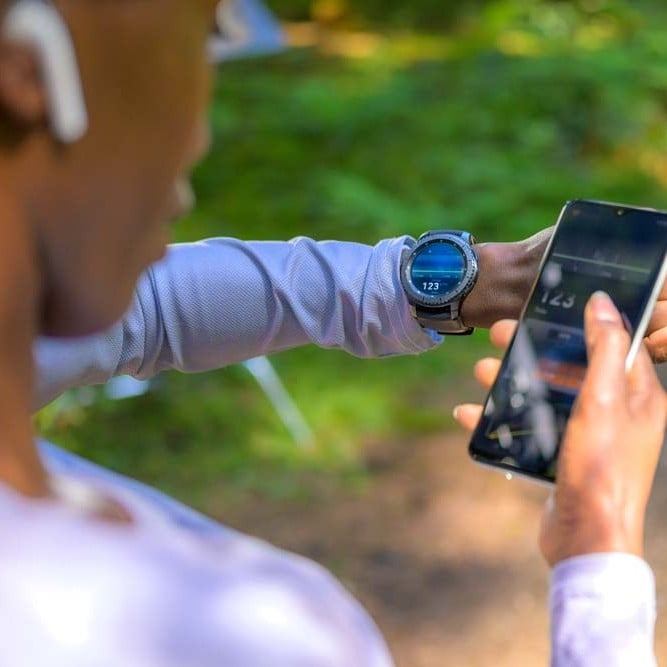
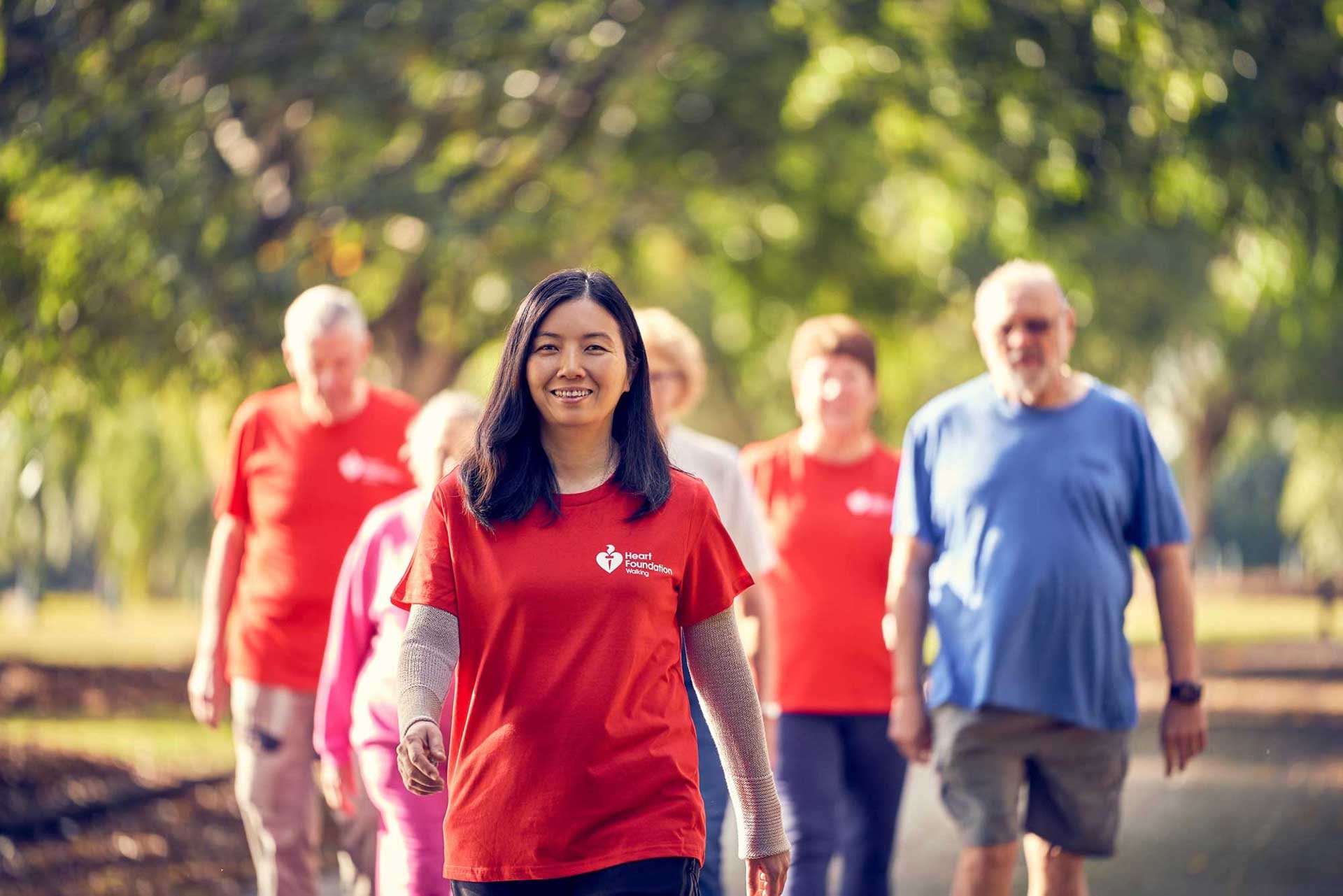
- Evidence of the effectiveness of digital interventions is growing.9,10,14,15,21 Impact is amplified when reach and usage can be sustained in large populations.10,15 In Australia, the long-term implementation of the 10,000 Steps program (25 years to date, launched in 2001–2002 as a Queensland Health Demonstration project22,23) has remained a good practice example.13 (See Workplaces action area case study for more information). Another well disseminated program is the Heart Foundation’s Personal Walking Plans, a web-based platform designed to increase engagement and participation in nationwide walking programs, with more than 438,000 registrations from commencement in March 2021 to July 2026.
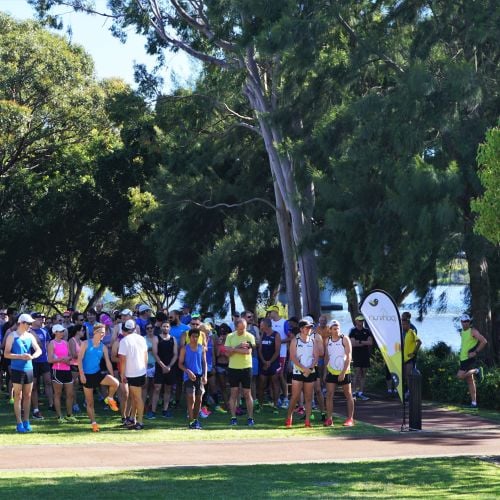
- One community mass reach event that has been shown to work well is parkrun, which attracts thousands of runners and walkers each weekend across all regions of Australia, with early evidence of improvements in health, fitness, physical activity levels, and body mass index.24,25
Case studies
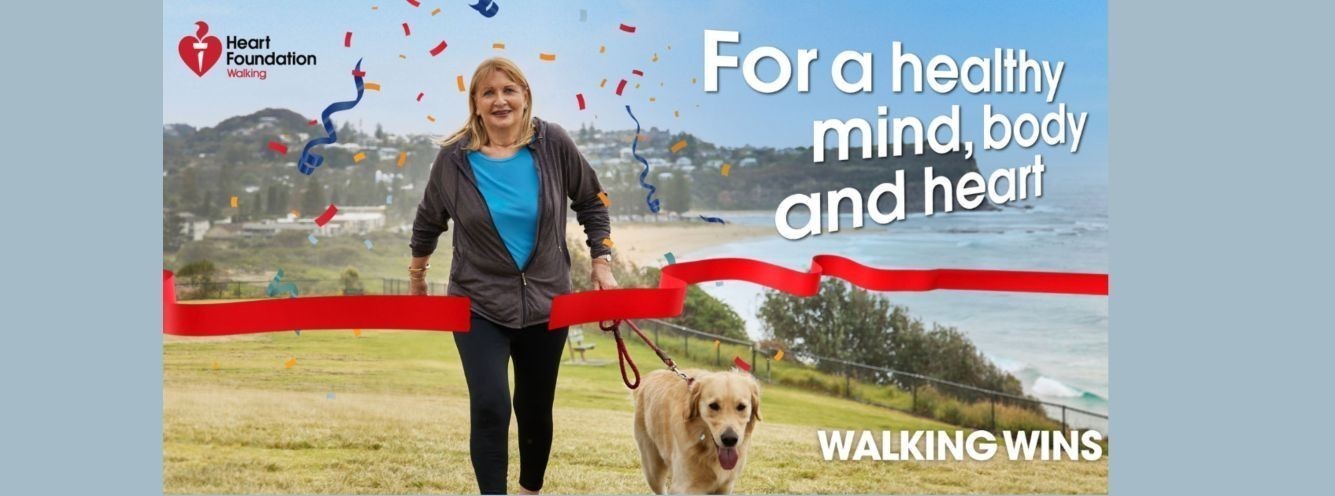
Walking Wins
Walking Wins used simple, inclusive messages to reach millions of Australians, promote walking and highlight the benefits of physical activity.
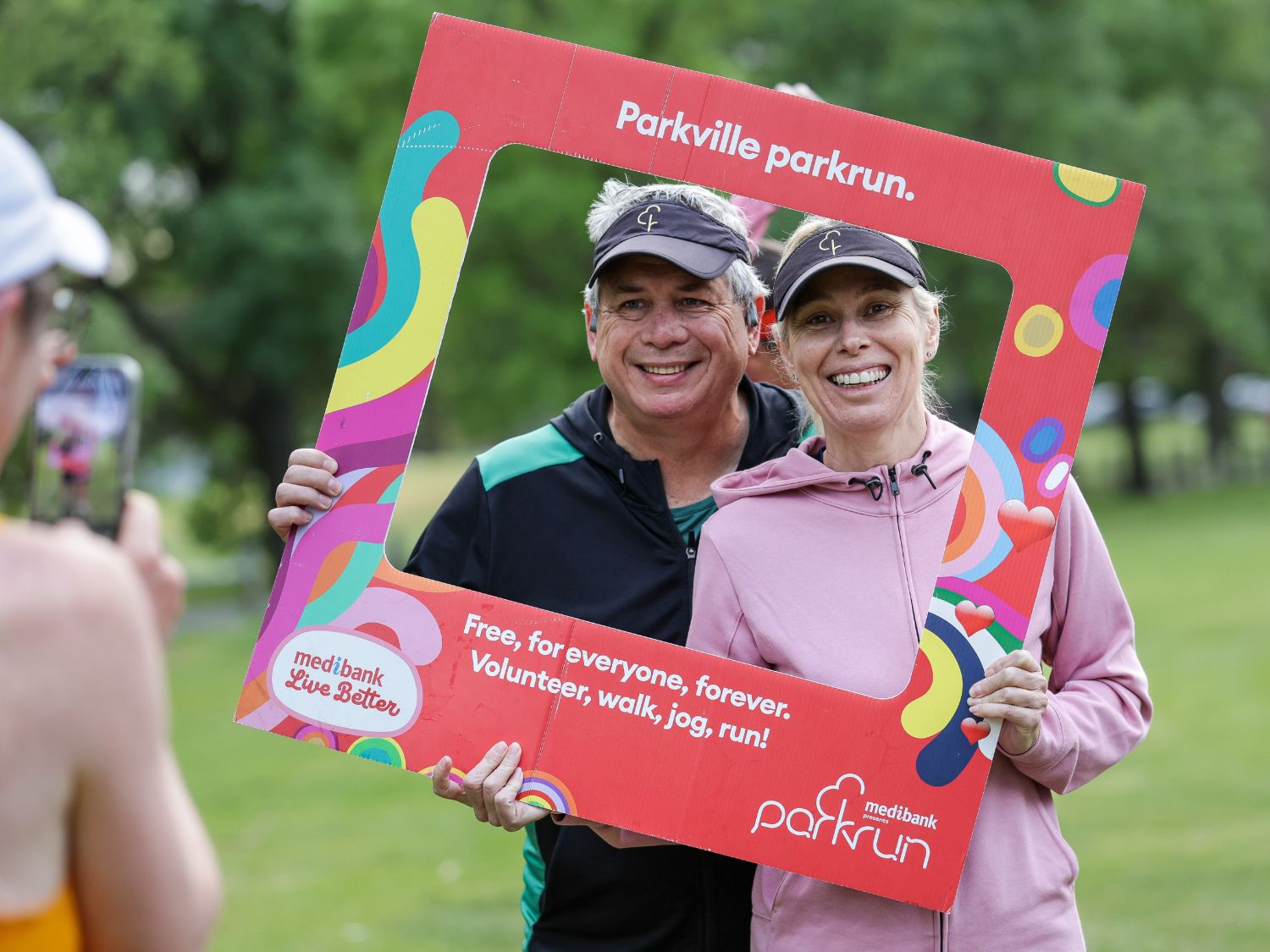
parkrun: sustaining physical activity through community-led inclusion
A free, volunteer‑led, community model delivering inclusive, scalable physical activity with proven social and mental wellbeing benefits, broad reach, and low cost.
What must be done to increase physical activity through mass reach strategies?
The recommendations below focus on government planning and leadership, community engagement, use of digital technology, and implementation and evaluation research. They build on the evidence presented in this action area, including research on the effectiveness of mass media campaigns, digital and social media interventions, and mass participation events such as parkrun. Where published evidence is limited, recommendations reflect expert consensus.
Policy, practice and leadership
- Ensure the National Physical Activity Plan (see Joining up action for an active Australia) includes mass reach media, social media, social marketing and digital interventions to provide umbrella messaging and strengthen and reinforce integrated, comprehensive physical activity initiatives.2,3 Strategies should have an agreed and consistent overarching theme, which can be marketed and adapted for different settings, population groups and programs.
- Intersectoral collaboration between different government sectors (including health, ageing, sport and recreation, education, transport, infrastructure), non-government organisations (e.g. Heart Foundation) and other community-based organisations is required to develop a national mass media awareness campaign. Mass media campaigns can raise awareness and shift social norms,9 and previous Australian campaigns effectively increased awareness and understanding of physical activity.18,19 The campaign would communicate the updated physical activity guidelines to all population groups, including those in remote areas, culturally and linguistically diverse populations and/or those with chronic health problems.
- Standardised physical activity messages should be developed in consultation with end users, to promote knowledge and understanding of the updated physical activity guidelines. Previous Australian campaigns have successfully increased understanding of physical activity.18,19
Community awareness and engagement
- Co-design and develop digital interventions in collaboration with end users, including features that encourage behaviour change, engagement and long-term use. Digital interventions are effective for increasing physical activity.10-12,21 These include tools for goal setting, action planning, self-monitoring (personal feedback), and social support; games and competitions; and links to evidence-based online resources.
- Increase the personal relevance and effectiveness of digital resources. Highly targeted content is a feature of effective social media interventions,11,20 and impact grows when usage is sustained.10,15 Ensure resources:
- are accessible across a range of platforms (e.g. IOS and Android apps, websites)
- are able to be synchronised with personal devices (e.g. mobile phone) and with different types of wearable tracker. Trackers should also be functional and accessible for those who cannot afford wearables
- allow for customisation (e.g. choice of tracking steps, moderate-to-vigorous physical activity minutes, or different activity types)
- allow for personalisation (e.g. adapting content in relation to equipment available in the user’s home, or in nearby public facilities)
- are easily understood by people with low literacy and those from non-English speaking backgrounds.
- Develop comprehensive dissemination and implementation plans to ensure extensive reach of physical activity messaging into the general population and targeted sub-groups through mass and social media. The impact of digital interventions is amplified when reach and usage are sustained in large populations.10,15
- Provide sustained financial support for ongoing updating, engagement, user-friendliness and enhanced effectiveness of digital and mass reach interventions. The 10,000 Steps program, sustained for 25 years, shows the value of long-term investment.13,22,23
Research, data and innovation
- A review of the evidence for this action area identified the following priorities for investment in research, data and innovation.
Mass media campaigns
- There is an urgent need for research that advances the evidence base for action in comprehensive mass campaigns, and builds an evidence base around social media campaigns for increasing physical activity. This will ensure future campaigns align with evolving media and communication landscapes, reflect community attitudes, and use the most effective mix of platforms and creative strategies.
- Research into the optimal ‘dose’ of social media and the effects of simultaneous community-wide and/or digital programs and services will determine whether goals and objectives are being met and sustained.
- Further testing of the effectiveness of adding social media to broader mass media campaigns is required. This could include exploring whether specific forms of social media and online publication amplify message delivery, reach and impact of mass communications.
- Reports and case studies of mass media campaigns and digital interventions will inform knowledge dissemination and promote a systems-wide approach to advancing physical activity.
Digital interventions
- More real-world development, implementation and evaluation of AI and personalised digital interventions is needed.
- Communication approaches and use of digital interventions in primary and secondary care (i.e. digital physical activity interventions as a prescription) should be further developed and evaluated.
- The potential for greater synergy between areas, with digital interventions integrated with mass media campaigns to enhance reach, awareness and behaviour change, should be investigated.
Mass participation events and mega events
- The impact of mega-events, mass participation, and mass spectator events on population-level engagement and participation in physical activity and sport should be evaluated.
- Cost-effectiveness evaluations are required for all forms of mass participation strategies.
References
1. United Nations. Sustainable Development Goals. Accessed 6 July 2026. https://sdgs.un.org/goals
2. World Health Organization. Global Action Plan on Physical Activity 2018–2030: more active people for a healthier world. 2018. https://www.who.int/publications/i/item/9789241514187
3. Milton K, Cavill N, Chalkley A, et al. Eight investments that work for physical activity. J Phys Act Health. 2021;18(6):625–630. doi:10.1123/jpah.2021-0112
4. Thomas MM, Phongsavan P, McGill B, O’Hara BJ, Bauman AE. A review of the impact of physical activity mass media campaigns on low compared to high socioeconomic groups. Health Educ Res. 2018;33(5):429–446. doi:10.1093/her/cyy032
5. Australian Government, Department of Health, Disability and Ageing. National Preventive Health Strategy 2021–2030. 2021. https://www.health.gov.au/resources/publications/national-preventive-health-strategy-2021-2030
6. Australian Government, Department of Infrastructure T, Regional Development, Communications, Sport and the Arts. Sport Horizon: National Sport Strategy 2024–2034. 2026. https://www.infrastructure.gov.au/sport/national-sport-strategy
7. Australian Government, Department of Health, Disability and Ageing. National Obesity Strategy 2022–2032. 2022. https://www.health.gov.au/resources/publications/national-obesity-strategy-2022-2032
8. Australian Government, Department of Health, Disability and Ageing. 24-hour movement guidelines for all Australians. 2026. Accessed 2 July 2026. https://www.health.gov.au/topics/physical-activity/24-hour-movement-guidelines-for-all-australians
9. den Braver NR, Garcia Bengoechea E, Messing S, et al. The impact of mass-media campaigns on physical activity: a review of reviews through a policy lens. Eur J Public Health. 2022;32(suppl 4):iv71–iv83. doi:10.1093/eurpub/ckac085
10. Singh B, Ahmed M, Staiano AE, et al. A systematic umbrella review and meta-meta-analysis of eHealth and mHealth interventions for improving lifestyle behaviours. NPJ Digit Med. 2024;7(1):179. doi:10.1038/s41746-024-01172-y
11. Shiyab W, Halcomb E, Rolls K, Ferguson C. The impact of social media interventions on weight reduction and physical activity improvement among healthy adults: systematic review. J Med Internet Res. 2023;25:e38429. doi:10.2196/38429
12. Alley SJ, Waters KM, Parker F, et al. The effectiveness of digital physical activity interventions in older adults: a systematic umbrella review and meta-meta-analysis. Int J Behav Nutr Phys Act. 2024;21(1):144. doi:10.1186/s12966-024-01694-4
13. Vandelanotte C, Itallie AV, Brown W, Mummery WK, Duncan MJ. Every step counts: understanding the success of implementing the 10,000 Steps Project. Stud Health Technol Inform. 2020 268:15–30. doi:10.3233/SHTI200003
14. Vasiloglou MF, Kotzakioulafi E, Mainardi F, et al. Effectiveness of app-based interventions for glucose management, cardiometabolic and mental health, and related risk factors: an umbrella review with meta-analysis. Lancet Digit Health. 2026;8(8):101009. doi:10.1016/j.landig.2026.101009
15. Ferguson T, Olds T, Curtis R, et al. Effectiveness of wearable activity trackers to increase physical activity and improve health: a systematic review of systematic reviews and meta-analyses. Lancet Digit Health. 2022;4(8):e615–e626. doi:10.1016/s2589-7500(22)00111-x
16. Bauman A, Schranz N, Bellew W, Fisher G, Krumeich B, Crozier AJ. Evaluation of the ‘A walk can work wonders’ mass media campaign in South Australia. Health Promot J Austr. 2025;36(2):e923. doi:10.1002/hpja.923
17. Australian Government, Australian Sports Commission. Annual Report 2018–2019. 2019. https://www.transparency.gov.au/publications/health/australian-sports-commission-australian-institute-of-sport/australian-sports-commission-annual-report-2018-19
18. Bauman AE, Bellew B, Owen N, Vita P. Impact of an Australian mass media campaign targeting physical activity in 1998. Am J Prev Med. 2001;21(1):41–47. doi:10.1016/s0749-3797(01)00313-0
19. Leavy JE, Rosenberg M, Bauman AE, et al. Effects of Find Thirty every day®: cross-sectional findings from a Western Australian population-wide mass media campaign, 2008–2010. Health Educ Behav. 2013;40(4):480–492. doi:10.1177/1090198112459515
20. Buja A, Lo Bue R, Mariotti F, Miatton A, Zampieri C, Leone G. Promotion of physical activity among university students with social media or text messaging: a systematic review. Inquiry. 2024;61:469580241248131. doi:10.1177/00469580241248131
21. Yun L, Ori EM, Lee Y, Sivak A, Berry TR. A systematic review of community-wide media physical activity campaigns: an update from 2010. J Phys Act Health. 2017;14(7):552–570. doi:10.1123/jpah.2016-0616
22. Brown WJ, Mummery K, Eakin E, Schofield G. 10,000 Steps Rockhampton: evaluation of a whole community approach to improving population levels of physical activity. J Phys Act Health. 2006;3(1):1–14. doi:10.1123/jpah.3.1.1
23. Brown WJ, Eakin E, Mummery K, Trost SG. 10,000 Steps Rockhampton: establishing a multi-strategy physical activity promotion project in a community. Health Promot J Austr. 2003;14(2):95–100. doi:10.1071/HE03095
24. Grunseit AC, Huang B-H, Merom D, Bauman A, Cranney L, Rogers K. Patterns and correlates of participation in a weekly mass participation physical activity event, parkrun, in Australia, 2011–2020. J Phys Act Health. 2024;21(2):155–163. doi:10.1123/jpah.2023-0532
25. Grunseit AC, Huang B-H, Merom D, Cranney L, Bauman A, Rogers K. Coming back for more: individual participation patterns in the physical activity initiative parkrun in Australia. Health Promot Int. 2024;39(4):daae098. doi:10.1093/heapro/daae098
Heart Foundation related information for mass reach strategies


Financial incentives
Appendix