Strait from the Heart
Blog: 1 July, 2026
Strait from the Heart: Empowering First Nations researchers and communities
In recognition of this year’s NAIDOC Week theme, ‘50 Years of Deadly,’ we celebrate the strength, leadership and legacy of First Nations people past, present and emerging.
At the Heart Foundation, we are proud to support evidence-based and community-led research. Through our First Nations CVD Grants, we’re investing in projects that aim to improve heart health outcomes for First Nations people, while building the next generation of First Nations researchers and supporting community-led approaches to care and prevention.
One such project, Strait from the Heart, is led by Dr Alyse Davies at the University of the Sunshine Coast. The program works alongside First Nations communities in Queensland to co-design a culturally-relevant nutrition and physical activity program to improve heart health outcomes.
At the centre of this work are emerging First Nations researchers. Mr Xavier Passi, from The George Institute for Global Health is a Torres Strait Islander Research Assistant on the Strait from the Heart program. Mr Brohdie Watego is an Aboriginal dietetics student at the University of the Sunshine Coast, Master of Dietetics (Sports Nutrition) program. Brohdie is completing his master’s research project on the Strait from the Heart program, supervised by Dr Alyse Davies and Prof Bobby Porykali (The George Institute for Global Health). Xavier and Brohdie will be working closely together and their lived experience, cultural knowledge and deep connection to community will be shaping this work in meaningful ways.
Get to know our researchers
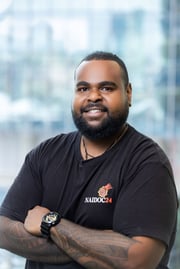
My connections, my knowledge and my ‘Giz’, meaning family bloodlines in Meriam Language, are tied to the eastern regions of the Torres Strait Islands, including Erub and Mer. I am connected to the Samsep Clan, the Geuram Clan, the Samesep-Meriam Tribe and the Zagareb Clan, with historical connections to Papua New Guinea, Lifou and the Solomon Islands.
Xavier Passi
When I introduce myself, I say ‘Meriam Erubam Sousea Le Peka Nali,’ which means I am a Torres Strait and South Sea Islander, and that is my cultural connection.
I was born and raised on Wulgurukaba and Bindal Country in Townsville. From a young age, I was always involved in community through family events, NAIDOC celebrations and Coming of Light events. A lot of what inspires my work comes from those experiences, being immersed in community, learning from strong leaders and seeing both the challenges and strengths of our people.
My grandmother worked in health for decades and was a strong community leader. That work ethic and commitment to community was passed down through my family and continues to guide the work I do today.’
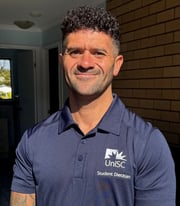
My family sits within the Bundjalung nation, with connections to community and lands in and around Byron Bay. I also have South Sea Islander connections, and while I am still learning more about this part of my identity, it remains a strong part of who I am.
Brohdie Watego
I was born in Logan and grew up between there, and the bayside communities of Wynnum and Manly in Brisbane. Family played a huge role in shaping my cultural connection. Through regular family gatherings, cultural business and strong relationships with other Aboriginal and Torres Strait Islander and South Sea Islander families, I was always surrounded by people living and sharing culture, even in urban settings.
My uncles and aunties have been central in helping me understand who I am and how we are connected to our lands, waters and community. Today, I live and work on Gubbi Gubbi Country and have spent many years supporting Aboriginal and Torres Strait Islander communities through my role as a hospital liaison officer.’
Their lived experiences and strong cultural foundations shape how both Xavier and Brohdie approach their work in heart health research.
Why heart health matters
Heart disease remains one of the leading causes of ill health for First Nations peoples. For Xavier, this issue is deeply personal.
With a family history of heart disease and diabetes, he was motivated to be part of the solution, not just for his own family, but for communities across Australia.
‘Getting into heart health research allows me to improve health outcomes for all in community… It starts with our youth,’ Xavier said.
For Brohdie, his motivation has been shaped by lifelong experiences with culturally-safe care and the role it plays in supporting community.
‘For as long as I can remember, I was taken to Aboriginal Medical Services by my mum for health concerns, and I’ve continued that with my own children. I’ve seen firsthand the difference it makes when First Nations people are delivering care for community. This project is a chance for me to continue supporting my community and advocate for strong heart health,’ Brohdie shared.
A different way of doing research
Strait from the Heart is unique in its focus on co-design and community leadership. First Nations communities are integral to the development of the program, to ensure it reflects local knowledge, priorities and cultural practices.
Xavier plays a key role in this work, helping to design culturally-safe resources and guide the research process. From creating visual tools, to using storytelling and art to support learning, to establishing a community governance group, his work ensures the project is grounded in culture and community priorities.
Brohdie will work closely with community members, building relationships and facilitating yarning sessions to understand the factors of behaviour change that supports participation in the program. These conversations directly shape the program design and delivery.
Together, their work reflects a powerful shift towards research that is led with and by community.
Telling stories through art
For Xavier, research is not just about data. It’s also about storytelling.
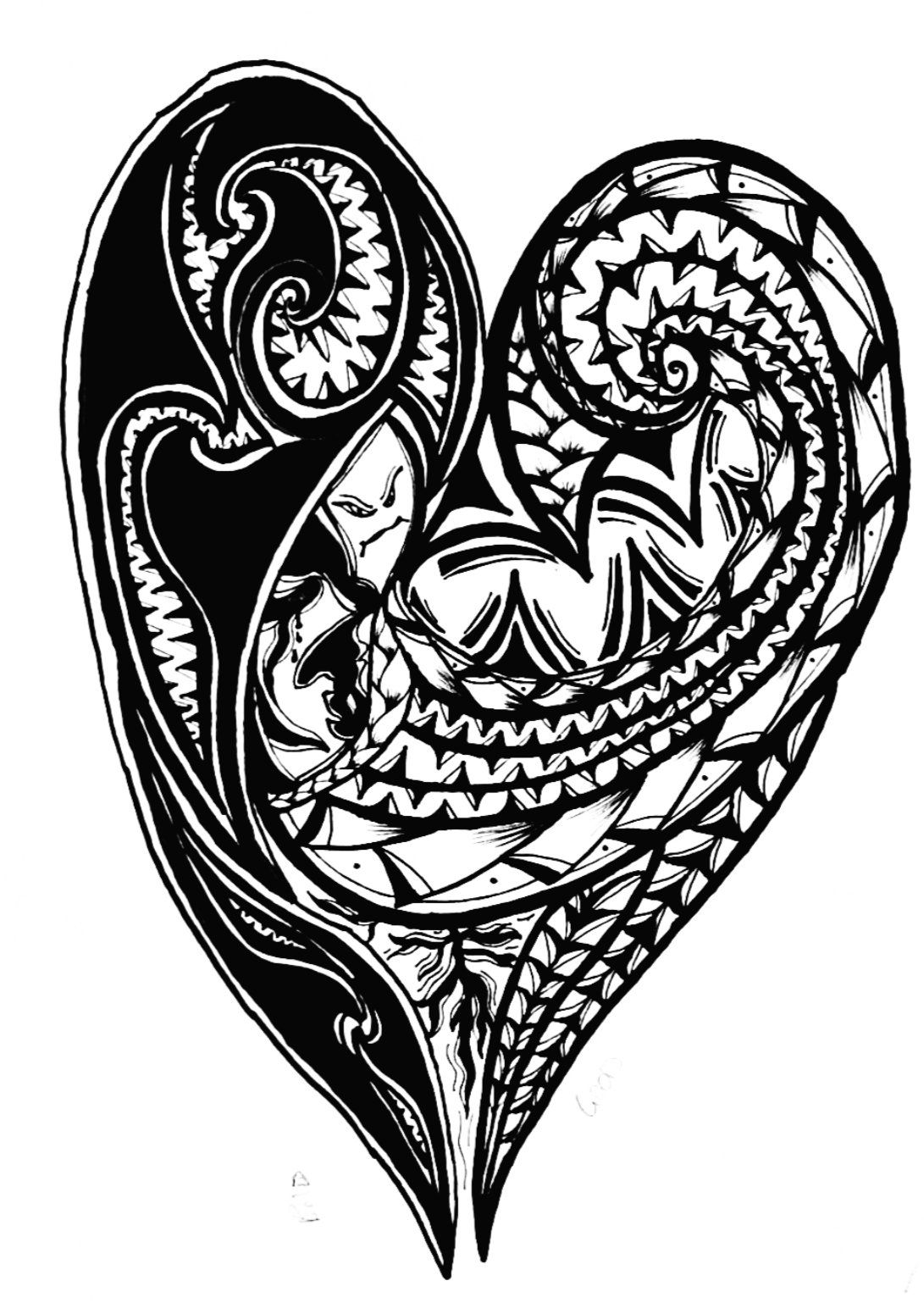
Xavier created the Strait from the Heart project’s artwork, which will be shared with participants and families throughout the program.
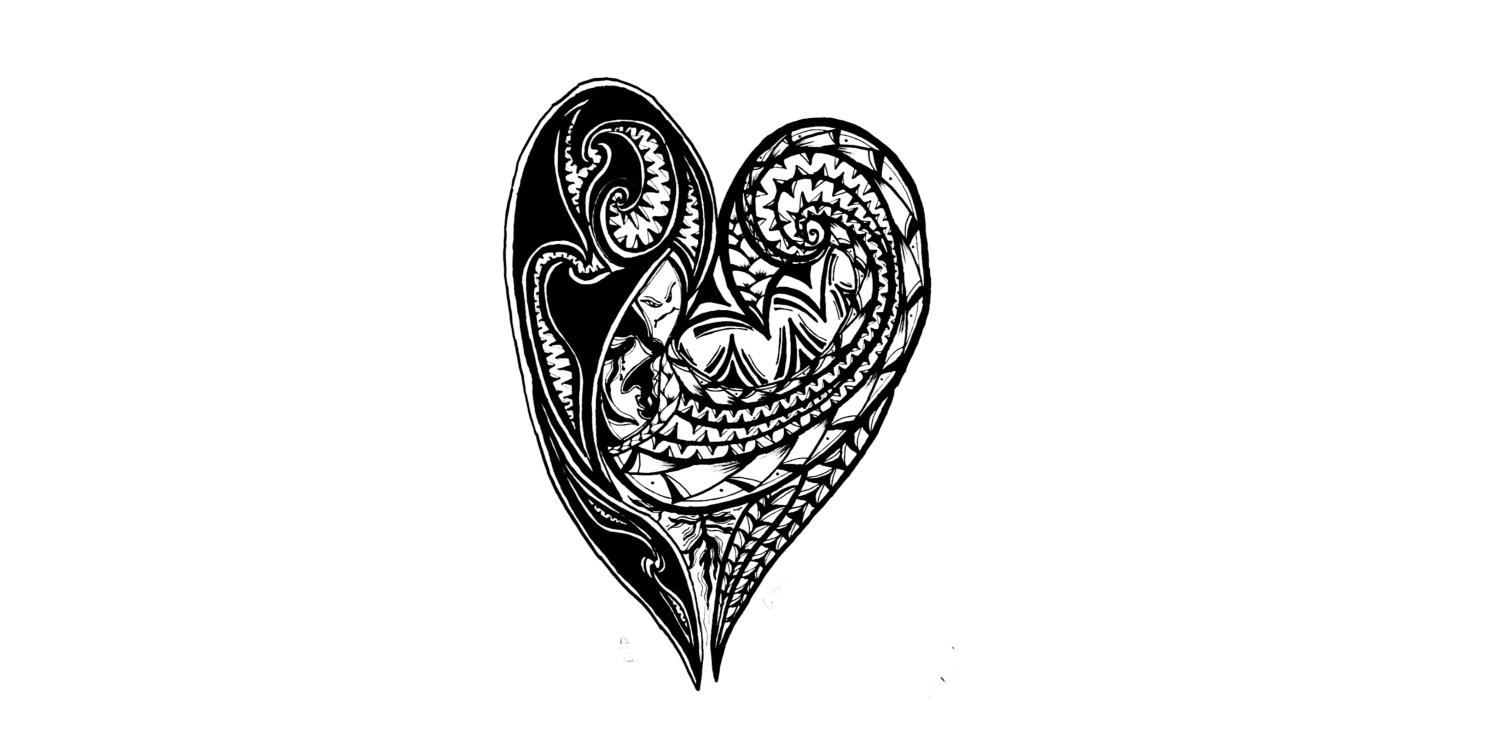
The artwork represents two contrasting journeys: a ‘deadly’ (strong and healthy) heart, and a sad (blocked) heart. Using a visual storytelling approach, the artwork helps bring complex health concepts to life in a way that is accessible, engaging and culturally meaningful.
‘Art has always been a way our people transfer knowledge. It tells stories without needing words,’ Xavier said.
By drawing on cultural ways of sharing knowledge, the artwork supports conversations that go beyond clinical language and invites people to connect and reflect.
*Artwork by Mr Xavier Passi, research assistant on the Strait from the Heart project.
Building the future of First Nations research
Xavier Passi:
‘The support from the Heart Foundation has allowed me to deepen my understanding of heart health and strengthen prevention work in community. The more we learn about heart health…the more we can support our people to live longer, especially our Elders who hold so much knowledge. It has given me clear direction for the work I want to do in the future.’
Brohdie Watego:
“It is about opportunity. You do not know what you do not know. Creating awareness and providing pathways for First Nations people to engage in research is critical. Once people are in that space, mentoring from experienced First Nations researchers can make a real difference to staying and growing in that environment.”
Encouraging the next generation of researchers
Xavier Passi:
“Do it. Give it a go. It may be for you, or it may not, but the experiences, skills and connections you gain are so valuable. I came from a background in education and knew nothing about research. Now, I have presented at conferences, contributed to publications and developed new skills that I can take anywhere.”
Looking ahead
As we celebrate NAIDOC Week and reflect on ‘50 Years of Deadly,’ Xavier and Brohdie both recognise the legacies of those who came before them, and the responsibility to continue that work.
Xavier acknowledges the strength of community leaders who have paved the way, and the importance of continuing that legacy for future generations.
Brohdie reflects on the Elders, advocates and change makers who stood strong to create the opportunities that exist today, and the role of the next generation in continuing that progress.
Looking ahead, Strait from the Heart will continue to grow. The program, developed in response to community calls in Townsville, will be delivered in partnership with an Indigenous-led community organisation supporting young people across Far North Queensland.
The program is planned to launch in January 2027 and will run over 12 months, supporting young people to build lifelong healthy habits through culturally-relevant approaches to food, movement and wellbeing.
Their vision is clear:
- to truly hear and centre health messages led by community
- to empower young people with knowledge, culture and confidence
- to support stronger, healthier communities for generations to come.
Why this matters
Projects like Strait from the Heart show what’s possible when research is led by community voices.
By supporting First Nations researchers and investing in community-led initiatives, the Heart Foundation is helping create stronger hearts and healthier futures for generations to come.
You might also be interested in...
First Nations Research
Explore the First Nations CVD Grant recipients and other research grants awarded by the Heart Foundation with a focus on First Nations health.
What is acute rheumatic fever (ARF) and rheumatic heart disease (RHD)?
Rheumatic heart disease causes serious damage to heart valves.

How to keep your heart strong
Support and resources to help you stay healthy and reduce risk of heart disease.
Last updated01 July 2026