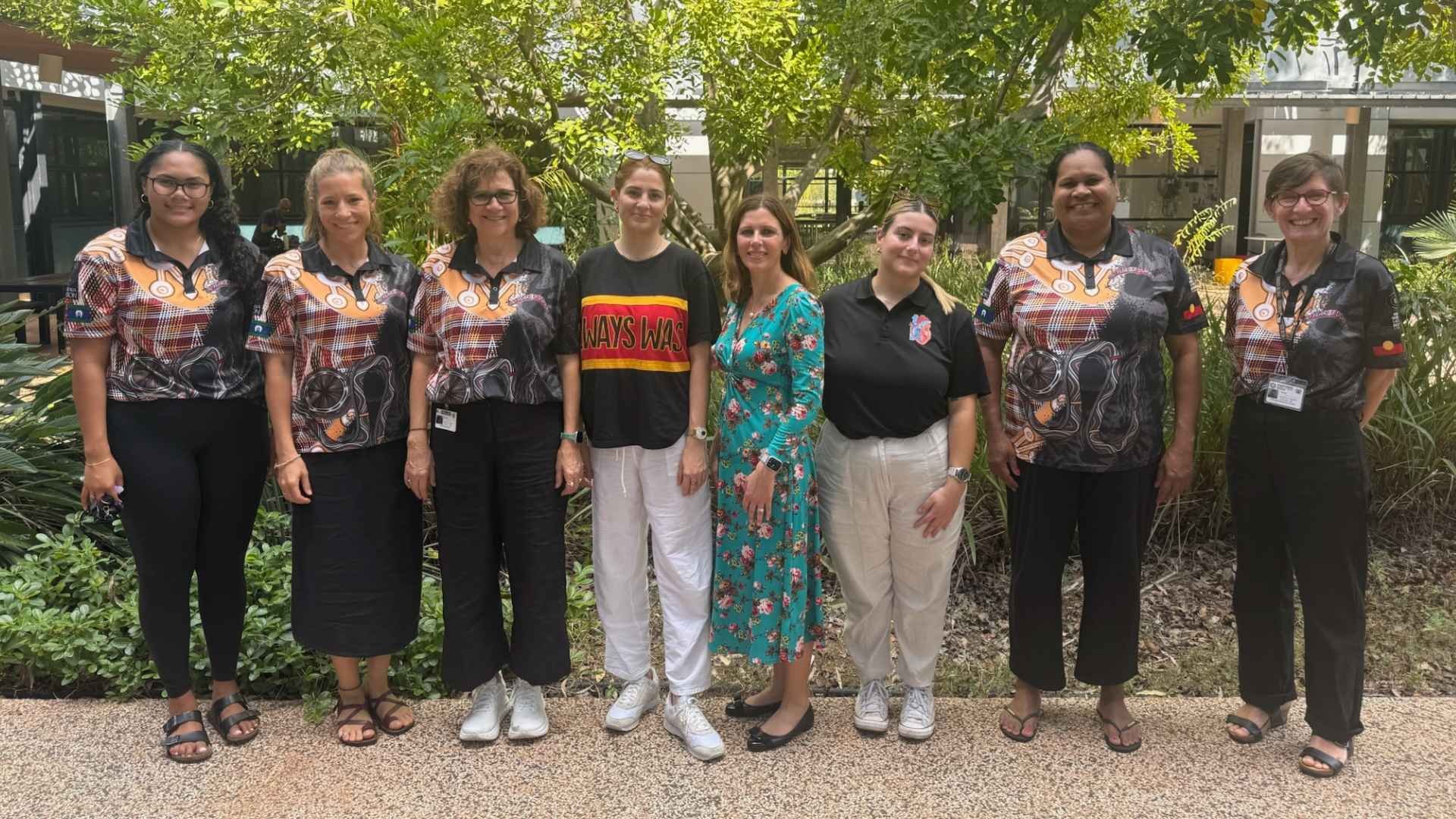
Heart health screening in First Nations communities
Taking heart health screening to where communities gather
Hearts in Focus project
When First Nations communities come together to play sport, it’s about so much more than kicking a footy around; it’s about connection - strengthening bonds with the people around you and sharing a sense of belonging. Sport brings people together through a shared community spirit, while promoting physical health, wellbeing and social connection. It creates opportunities for people to stay active, support one another and build stronger, healthier and more connected communities. Now, a Heart Foundation-funded project is exploring how sport could also help save lives.
Led by Associate Professor Jessica Orchard from the University of Sydney, the Hearts in Focus project aims to improve access to heart health screening for young Indigenous people in remote northern Australia. The project is developing a culturally safe screening program that brings heart health checks into community Australian rules football settings, helping reach young people in places where they already feel comfortable and connected.
Screening can play a vital role in identifying underlying heart conditions and reducing the risk of sudden cardiac death in young people. Yet, access to screening remains limited across many regional communities.
Hearts in Focus aims to address this challenge by bringing screening directly into the heart of the community: local sporting clubs. Working in partnership with community members, local health services and sporting organisations, Hearts in Focus is co-designing a program that puts community priorities first and helps young people take charge of their heart health.
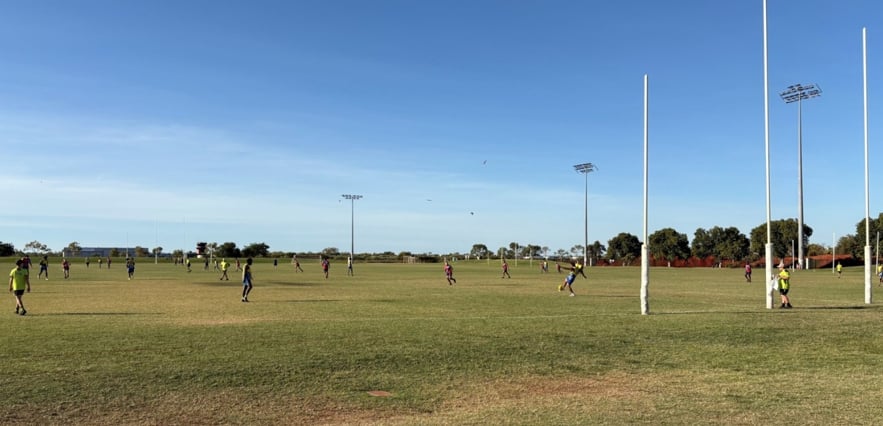
Since receiving Heart Foundation funding, the research team has begun building partnerships across the Kimberley and Northern Territory. Two First Nations research assistants have joined the project through the Djurali Centre for Aboriginal and Torres Strait Islander Health Research located at the Heart Research Institute. Researchers have established strong connections with organisations such as Aboriginal Medical Services across Broome, local sporting league clubs, major sports organisations and research Institutes.
A recent planning visit took the team to Darwin and Broome, where they met with community leaders, healthcare providers, researchers, local coaches and sporting organisations to help shape the next stages of the project. An exciting collaborative development is support from the West Kimberley Football League, and interest in incorporating heart health in local settings - creating opportunities to raise awareness of heart health in community. Education and training will also be incorporated in the form of CPR training for teams and staff.
Central to the project is the process of co-design with local communities. Researchers will work closely with community members in Broome to ensure the field screening is accessible and responsive to local priorities and barriers to care and establishes clear follow up pathways to support ongoing treatment and management. The design process will privilege Indigenous knowledge systems, and Indigenous ways of knowing, being and doing.
As A/Prof Jessica Orchard explains in the project video, sport provides a unique opportunity to bring people together and start important conversations about health. By delivering heart health screening in familiar community settings, the team hopes to make screening more accessible, more culturally safe and ultimately more effective.
The long-term vision is ambitious: a community-led model that can be expanded beyond the Kimberley and help reduce sudden cardiac death among young First Nations people across Australia.
What is particularly exciting about Hearts in Focus is its commitment to working alongside communities from the outset. By listening, learning and co-designing with First Nations people, this project has the potential to create an approach to heart health screening that is culturally safe, community-led and meaningful for young people where they live, learn and play.
Jacinta Hegarty
First Nations Lead
You might also be interested in...

How to keep your heart strong
Support and resources to help you stay healthy and reduce risk of heart disease.
Smoking, vaping and your heart
Smoking affects the vessels that supply blood to your heart and other parts of your body. It reduces the amount of oxygen in your blood and damages blood vessel walls.

New solutions for blood vessel calcification screening
Turning a routine bone scan into a powerful heart check. Using AI to read lateral spine images to help detect hidden calcium in arteries - spotting risk early, saving lives.
Last updated11 November 2026