Foods to help lower blood pressure
Blog: 3 September 2026
High blood pressure affects people of all ages, with over one in five adults in Australia living with high blood pressure in 2022.
If it’s left unmanaged, high blood pressure can force your heart to work harder and damage the walls of your blood vessels over time, also significantly increasing your risk of cardiovascular disease and heart-related complications including heart attack, stroke and heart failure.
Fortunately, you can actively reduce this risk with some simple lifestyle habits. Eating a heart-healthy diet is one of the easiest ways you can help maintain healthy blood pressure levels.
Your food choices affect your blood pressure
The foods you choose to eat daily have a real, measurable impact on your heart health. Research shows that the foods you consume can help lower or manage high blood pressure levels, also supporting your heart and overall health at the same time.
If you’re aiming to improve your eating habits, it’s most important and impactful to optimise your dietary patterns. Your habits and routines impact your health far more than introducing or avoiding any singular food can.
However, science indicates that some foods can help you manage your blood pressure more effectively than others. Below is a list of the top foods or food groups that may help you beat high blood pressure.
.jpg?format=pjpg&auto=webp)
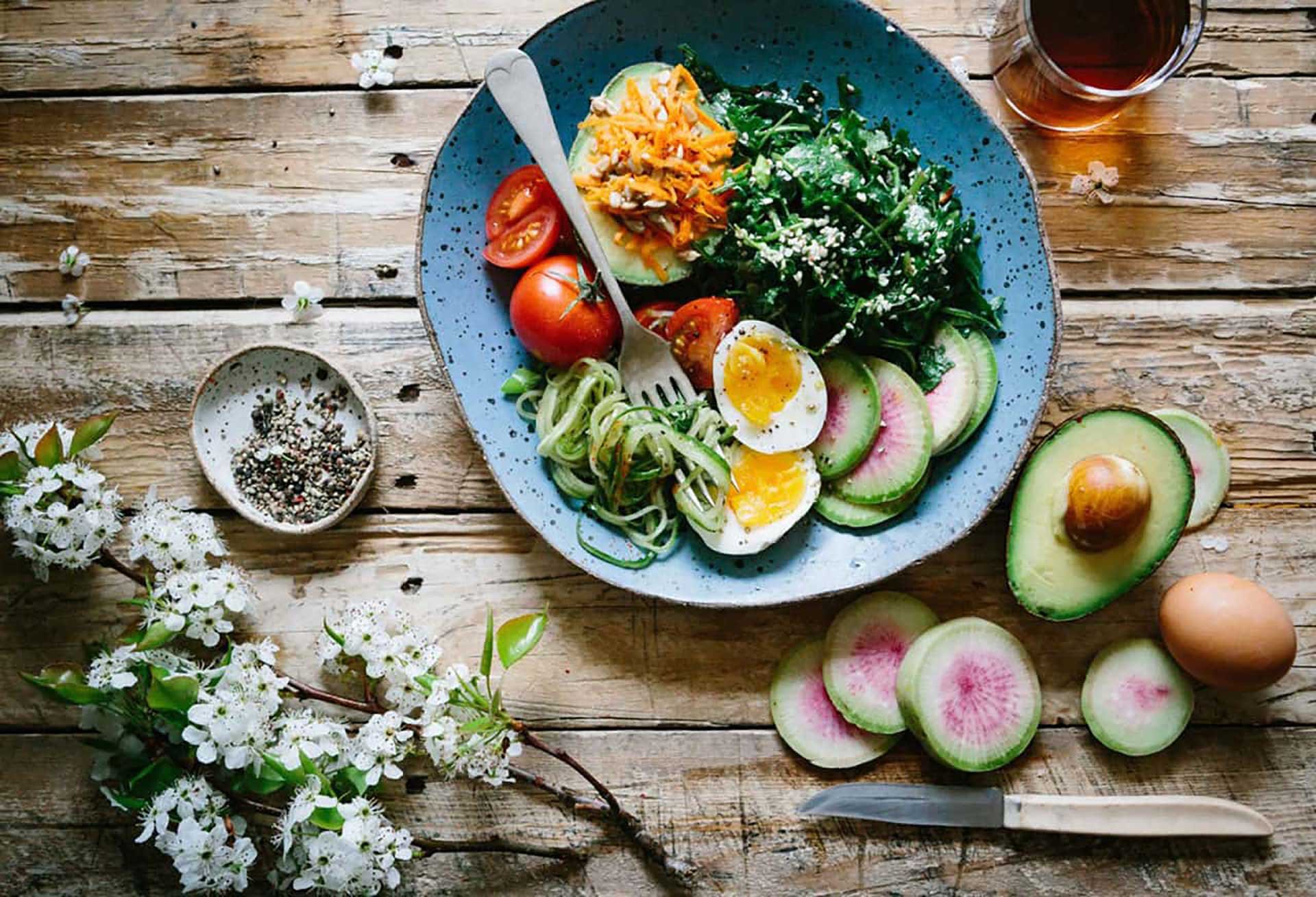
Vegetables
Eating 4-5 serves of vegetables each day has been linked to a lower risk of high blood pressure. Vegetables such as leafy greens, beetroot and cruciferous veggies provide important nutrients including magnesium, nitrates and potassium. These nutrients have various heart health benefits and can also help regulate blood pressure levels.
The Dietary Approaches to Stop Hypertension (DASH) eating pattern was developed primarily to prevent and reduce high blood pressure. It emphasises the importance of eating more vegetables and fruit, with research showing people who eat more of these foods had lower blood pressure levels compared to those who ate fewer daily servings.
Aim to include a variety of vegetables in your daily diet, as different colours of produce contain different vitamins and minerals. Variety is key to give your body the greatest range of heart-healthy nutrients possible.
Small changes add up, and can lead to larger, measureable improvements to your heart health and blood pressure levels. By making simple swaps and aiming to follow a heart-healthy dietary pattern consistently, you can easily reduce your risk of high blood pressure and other heart health complications, and support your overall health.
Fruit
Like veggies, fruit is a rich source of potassium, magnesium, fibre and other heart-healthy nutrients.
Frozen and canned fruits (and vegetables) can be equally as healthy as fresh fruit, and all varieties can help support your heart and manage your blood pressure. Just be sure to read the nutrition label when choosing packaged fruit options, and avoid products with added salt or sugar when possible.
Easily increase your fruit intake by adding fresh or frozen berries to your yoghurt, or choosing a piece of fruit with some nuts for your 3pm pick-me-up snack.
Wholegrains
Regularly eating whole grains can significantly support your heart health and reduce your risk of high blood pressure significantly, particularly if you choose high-fibre, low-sodium options like quinoa, brown rice, bulgur and whole wheat pasta.
Whole grains are rich in fibre and other beneficial nutrients, which may help manage blood pressure and protect against heart disease, while also preventing excess weight gain – another key component in preventing high blood pressure.
Aim to include three servings of whole grains each day for maximum benefits, being mindful of portion sizes as these foods can be easy to over serve.
Unflavoured dairy products
Including unflavoured, unsweetened dairy foods like milk and yoghurt as part of a heart-healthy eating pattern has been linked to lower blood pressure levels in some studies.
Aim to choose products without added sugars, sweeteners or flavours to help limit the amount of added sugars in your diet. consider opting for lower-fat dairy foods if you’re living with heart disease or high cholesterol levels.
Try snacking on plain yoghurt with berries and nuts or cereal, or add cheese and tomato to whole grain crackers for a satisfying snack.
Legumes, beans and lentils
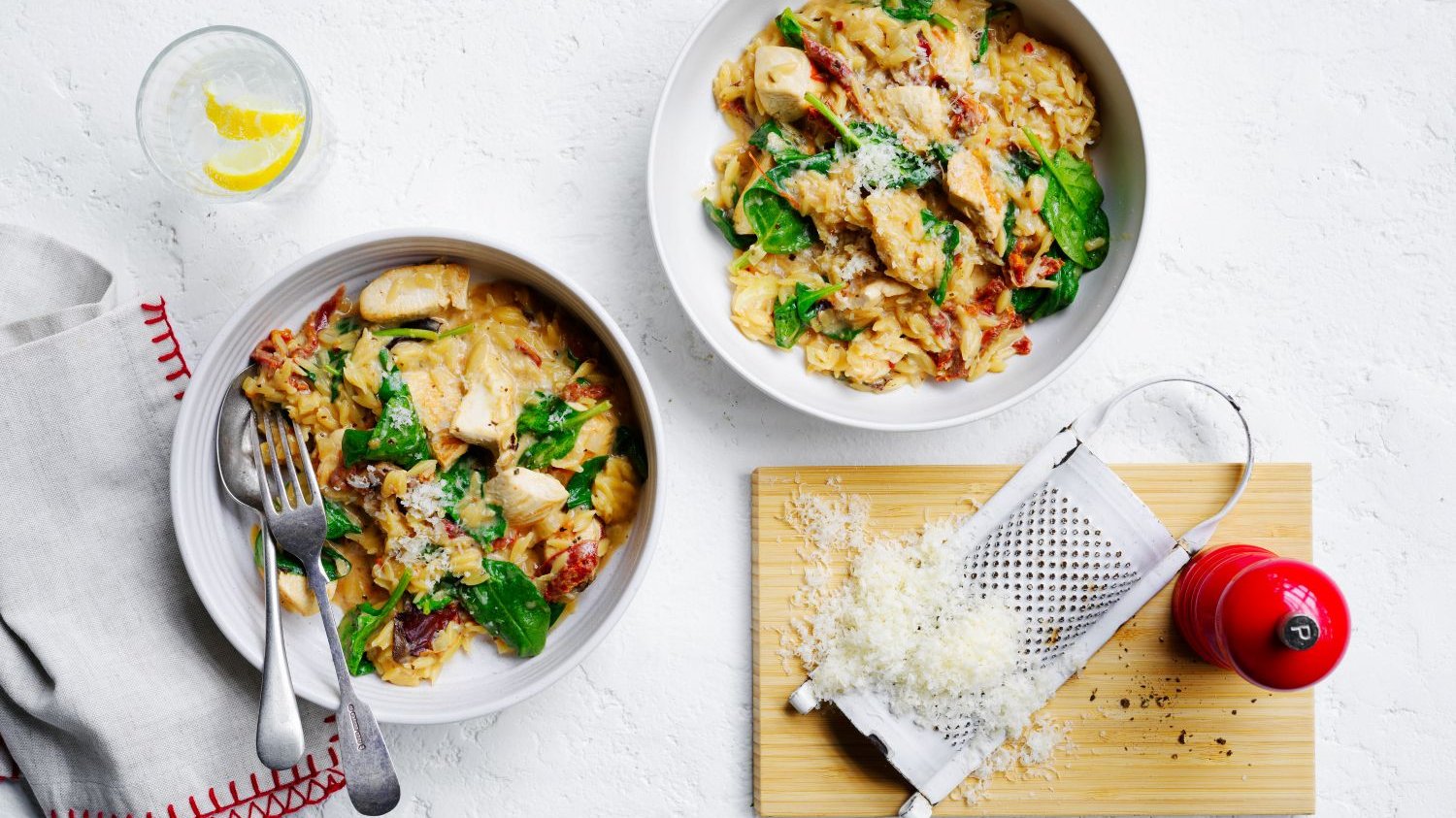
Legumes, beans and lentils are naturally rich in fibre, plant protein, potassium and magnesium. These, nutrients that help play a role in maintaining heart health and helping to regulate blood pressure.
Regularly including these foods in place of more processed or higher-saturated fat proteinhighly processed options can also support overall heart health. They’re affordable, versatile and suitable for a wide range of meals.
Try adding lentils to bolognese, tossing chickpeas through salads, or using beans in dishes like curries, casseroles or homemade veggie-based meals.
Nuts and seeds
Nuts and seeds are packed with heart-supporting nutrients including healthy fats, protein, vitamins and minerals.
Try to include some plain, unsalted nuts or seeds in your main meals daily to capitalise get on all their health benefits, and add some crunch to your food.
Keep in mind a serving of nuts and seeds is generally around the size of a small handful, so you don’t need to go overboard on your portions.
An added bonus: eating nuts regularly has also been linked to lower cholesterol levels.
Herbs and spices
Including these foods every day can help improve your heart and overall health and leave you feeling fantastic.
Even better, prioritising the nutritious, heart-healthy foods above will naturally mean you’re eating less of other foods that may contain large amounts of salt or saturated fats. Limiting your intake of salt and saturated fat is important for your heart and blood vessels, which in turn naturally helps to manage your blood pressure levels.
When cooking, use different herbs and spices to flavour your meals, instead of reaching for salt. And when buying packaged foods, be sure to check nutrition labels to ensure you’re choosing products that are low in salt or sodium.
Small steps matter
Small changes add up, and can lead to larger, measureable improvements to your heart health and blood pressure levels. By making simple swaps and aiming to follow a heart-healthy dietary pattern consistently, you can easily reduce your risk of high blood pressure and other heart health complications, and support your overall health.
Small changes add up, and can lead to larger, measureable improvements to your heart health and blood pressure levels. By making simple swaps and aiming to follow a heart-healthy dietary pattern consistently, you can easily reduce your risk of high blood pressure and other heart health complications, and support your overall health.
You might also be interested in...
Fruit, vegetables and heart health
Learn how fruits and vegetables can lower your risk of heart disease, stroke, and type 2 diabetes. Get tips to boost your daily intake for better heart health.
Dairy and heart health
Explore how milk, yoghurt, and cheese affect heart health. Learn about dairy's role in a heart-healthy diet and the latest evidence-based recommendations.

Wholegrains and heart health
You might have heard that wholegrains are part of a healthy diet, but what are they? And why are they essential to your health? And if wholegrains are healthy, what about low carb diets?
Last updated09 October 2026
Last reviewed03 September 2026