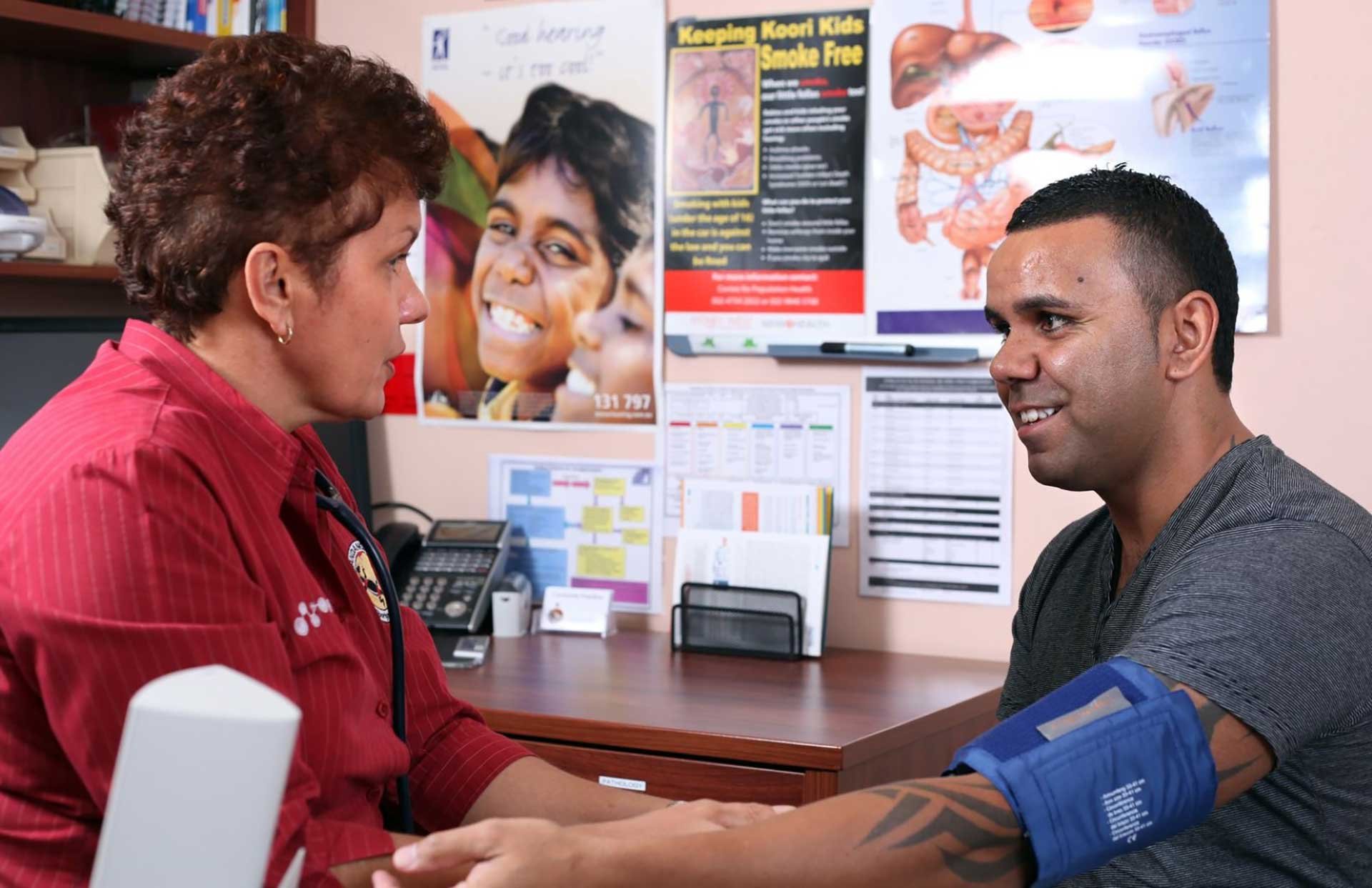
Under pressure – what is blood pressure and why does it matter?
Keeping your blood pressure in check
High blood pressure (also called hypertension) is one of the leading risk factors for cardiovascular disease (CVD), including heart attack and stroke, in Australia.
Many people living with high blood pressure don’t notice any signs or symptoms. Often, having your blood pressure checked regularly by your doctor is the only way to know for sure if your levels are higher than normal. Even if you’re otherwise well and healthy, everyone aged 18 and over should have their blood pressure checked at least once every two years.
What is blood pressure?
Blood pressure is the force of your blood pushing against the walls of your blood vessels during each heartbeat. Your blood pressure naturally goes up and down throughout the day depending on what you’re doing at the time, especially if you’re exercising. These everyday fluctuations are normal, and usually not a cause for concern. It’s generally only a concern if your blood pressure is consistently high (or low).
What is ‘healthy’ blood pressure?
A blood pressure reading shows two numbers, one on top of the other (e.g. 120/80 mm Hg):.
- The top number is your systolic blood pressure (i.e. the amount of pressure in your arteries when your heart contracts).
The bottom number is your diastolic blood pressure (i.e. your blood pressure when your heart is between beats).
Your doctor can tell you what your ideal blood pressure should be, based on your medical history.
Generally, an ‘optimal' blood pressure reading is:
- systolic blood pressure under 120 mm Hg
- diastolic blood pressure under 80 mm Hg.
How do I measure my blood pressure?
You can measure your blood pressure at home using a validated machine (meaning it has been tested for accuracy), at a pharmacy, or by your doctor.
It's a quick, simple and non-invasive test. A cuff is placed on your upper arm, which inflates and squeezes tightly to constrict your artery. As the cuff deflates, your blood flow returns to normal and the blood pressure machine measures this change.
What if my blood pressure is too high?
If your blood pressure is consistently high, you may have high blood pressure. Left untreated, high blood pressure canincrease your risk of CVD and other health problems. Your chances of having high blood pressure increase as you age, with around 85% of people aged 75 and over living with hypertension.
The good news is that you can help to manage high blood pressure by making sustainable healthy lifestyle changes, such as following a heart-healthy eating pattern, maintaining a healthy weight, staying physically active, limiting alcohol intake, and quitting smoking.
In some cases, your doctor may prescribe medicines to help reduce your blood pressure and lower your risk of developing CVD and other complications.
Matters of the heart – keeping an eye on things
Ongoing monitoring is essential for ensuring your heart is healthy. Make sure to visit your doctor for regular checkups.
You can also ask your doctor for a Heart Health Check. This is a 20-minute checkup with your doctor that can help you understand your chances of having a heart attack or stroke in the next 5 years, and what you can do to prevent it.
Heart Health Checks are subsidised by Medicare for people living in Australia who are:
- aged 45–79 years
- First Nations people aged 30 and over, or
- living with diabetes aged 35 and over.
Every day, around 120 people living in Australia lose their life to CVD. It takes less than 30 minutes to understand your risk, and learn how to protect your heart.
Act now. Book a Heart Health Check with your doctor today to check your blood pressure and heart health, and learn how you can reduce your risk of CVD.
References
https://www.aihw.gov.au/reports/risk-factors/hypertension/contents/how-common-is-hypertension#variation-age-sex
You might also be interested in...

Time to book a Heart Health Check?
A Heart Health Check with your GP will help you understand your risk of having a heart attack or stroke in the next 5 years and what you can do to prevent it.
.jpg?width=560&height=auto&format=pjpg&auto=webp)
Blood pressure and your heart
Learn how blood pressure affects your heart health. Find out what high blood pressure means, how to measure it, and ways to keep it under control.

Foods to help lower blood pressure
One the easiest steps you can take to prevent high blood pressure is choosing healthy foods.

Last updated23 September 2026
Last reviewed23 September 2026