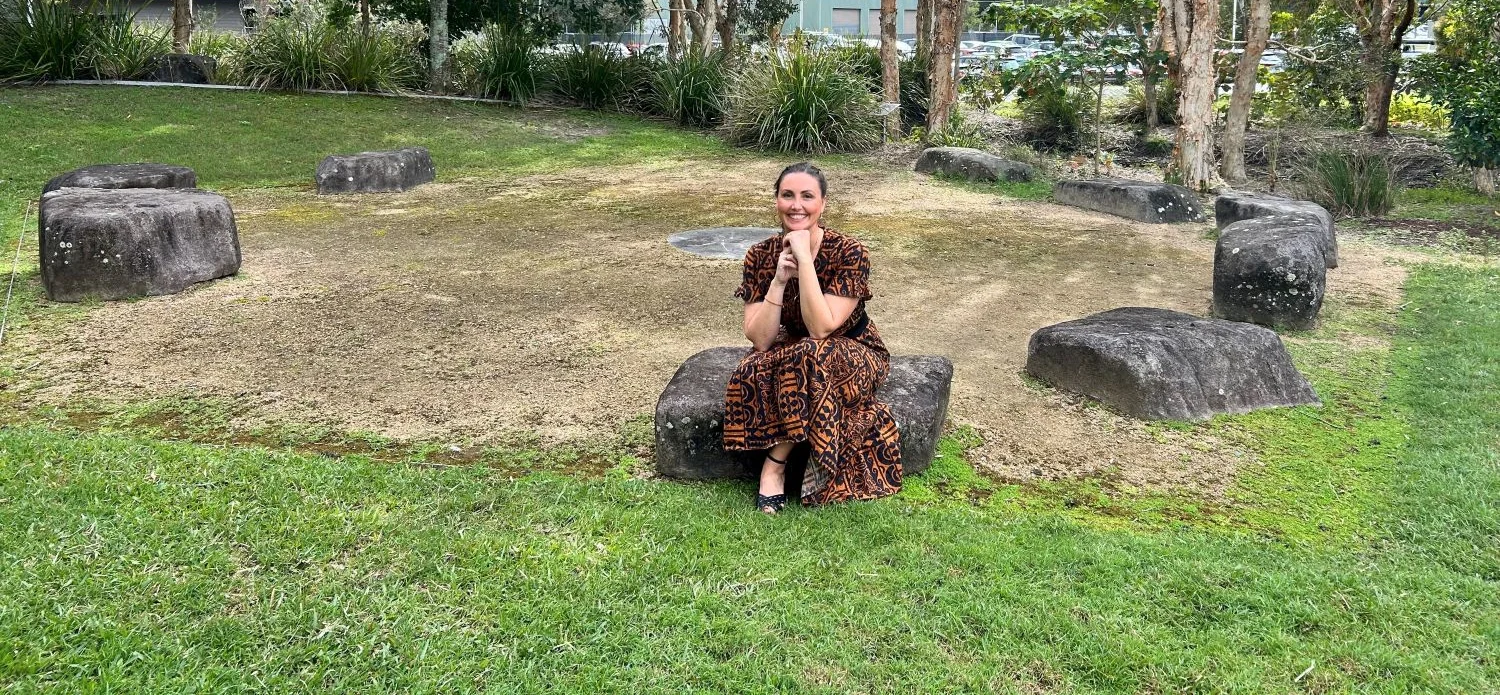
Q&A with Dr Alyse Davies
How community-led nutrition and physical activity programs could help improve heart health for First Nations communities
Dr Alyse Davies is a Senior Lecturer in Nutrition and Dietetics at The University of the Sunshine Coast and an Research Affiliate at the University of Sydney. She is an Accredited Practising Dietitian and Accredited Sports Dietitian. Her research focuses on improving cardiovascular health outcomes through culturally responsive, community-led approaches. As a recipient of a 2024 Heart Foundation First Nations Cardiovascular Disease Grant, Alyse is working alongside Aboriginal and Torres Strait Islander researchers and communities to co-design programs that support healthy eating, physical activity and long-term heart health.
What are you currently researching?
My project, called Strait from the Heart, is focused on improving heart health by supporting healthy eating and physical activity in Aboriginal and Torres Strait Islander communities. Cardiovascular disease remains a major health challenge, and we know that access to culturally relevant prevention programs can make a meaningful difference.
The project involves a 12-month pilot nutrition and physical activity program that has been designed in partnership with Aboriginal and Torres Strait Islander communities in Queensland. Rather than taking a one-size-fits-all approach, the program will be tailored to the unique needs, priorities and cultural preferences of each community.
By working closely with communities throughout the process, we hope to create a program that supports heart health while also strengthening community ownership, connection and long-term wellbeing.
What difference will your research make to people’s cardiovascular health in Australia?
This research aims to address gaps in the cardiovascular disease prevention programs by providing a holistic program that supports nutrition as well as physical, social, emotional and cultural wellbeing.
By focusing on healthy lifestyle habits before cardiovascular disease develops, the program has the potential to reduce risk factors and support better long-term heart health outcomes for Aboriginal and Torres Strait Islander people and communities.
Importantly, this project is also designed with sustainability in mind. If successful, it could provide a pathway for community-led prevention programs to continue beyond the research period and become an ongoing resource for communities. We are also aiming to develop a model that can be adapted to the local context of other Aboriginal and Torres Strait Islander communities.
What motivated you to do your research?
While I am not Indigenous, I have Aboriginal and Torres Strait Islander family members. Being exposed to their stories and Indigenous ways of knowing, being and doing, motivated me to undertake research in this area.
I am passionate about creating sustainable and culturally relevant solutions that bring together Indigenous ways of knowing, being and doing with contemporary research approaches. I believe the best outcomes are achieved when research is guided by community priorities and lived experience.
By centring Aboriginal and Torres Strait Islander voices throughout the research process, my goal is to help develop sustainable programs that empower communities, strengthen wellbeing and improve heart health outcomes for future generations.
Are there any achievements or discoveries from the past year you can share with us?
One key achievement was the codesign of cultural immersion programs for dietetics students, integrating Aboriginal and Torres Strait Islander histories, culture, diet and health into the dietetics curriculum through authentic cultural immersion experiences with community. Both the Aboriginal and Torres Strait Islander cultural immersion programs have been published in the Journal of Nutrition and Dietetics. I have also been recently involved in writing a book chapter for Exercise and Sport Science, where the immersion experiences will feature as a case study as a method for promoting equity and inclusivity of Aboriginal and Torres Strait Islander knowledge systems in teaching practice.
I am now working on the final paper in this series, where we have conducted focus groups with graduates of the Masters of Nutrition and Dietetics program. We asked our graduates questions around the graduate quality of cultural competence and the curriculum related to Aboriginal and Torres Strait Islander peoples and communities that were scaffolded across the program. We have identified key themes from the focus groups, and we hope that this work can then inform curriculum design in other contexts.
These experiences have reinforced the importance of centring community voices in both teaching and research. This approach also informs my heart health research, where I seek to ensure that community priorities, experiences and knowledge help shape the research questions, approaches and outcomes.
What role has Heart Foundation funding had in your career journey?
Heart Foundation funding has made an enormous difference to my research and my development as an early-career researcher. It has provided the opportunity to work alongside Aboriginal and Torres Strait Islander researchers and communities to co-design and deliver a program that has the potential to create lasting impact.
The research findings will help build an evidence base that can support future programs, inform policy and guide other researchers working in this area. The project's governance structure also helps ensure that findings can be shared with decision-makers who can support long-term sustainability.
This funding is helping turn community-led ideas into action and creating opportunities to improve cardiovascular health outcomes for Aboriginal and Torres Strait Islander people and communities.
Do you have a message for Heart Foundation supporters?
Thank you to the generous supporters of the Heart Foundation for making this research possible. This funding is helping me, as an early-career researcher, to implement a strengths-based program that prioritises Aboriginal and Torres Strait Islander voices and ways of knowing, being and doing.
Your support is making a significant impact on both this research and the communities we aim to support. Thank you for your commitment to this important work and for believing in its potential to create meaningful change.
You might also be interested in...

Strait from the Heart: Co-designing a culturally safe food, nutrition and physical activity program
Dr Alyse Davies, University of the Sunshine Coast - First Nations CVD Grant (2025-2028)
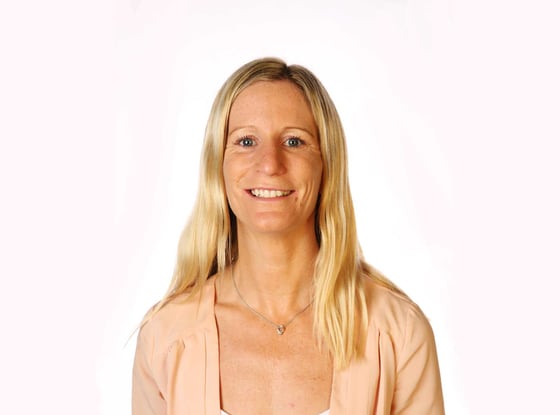
Q&A with Dr Rona Macniven
Generating evidence on the impact of physical activity on the cardiovascular health of Aboriginal and Torres Strait Islander Peoples across the life course

Research funding portfolio
Understand the application process and requirements of our various funding programs.
Last updated15 September 2026