Smart Medicine: Personalising Treatment with AI and mRNA Technology
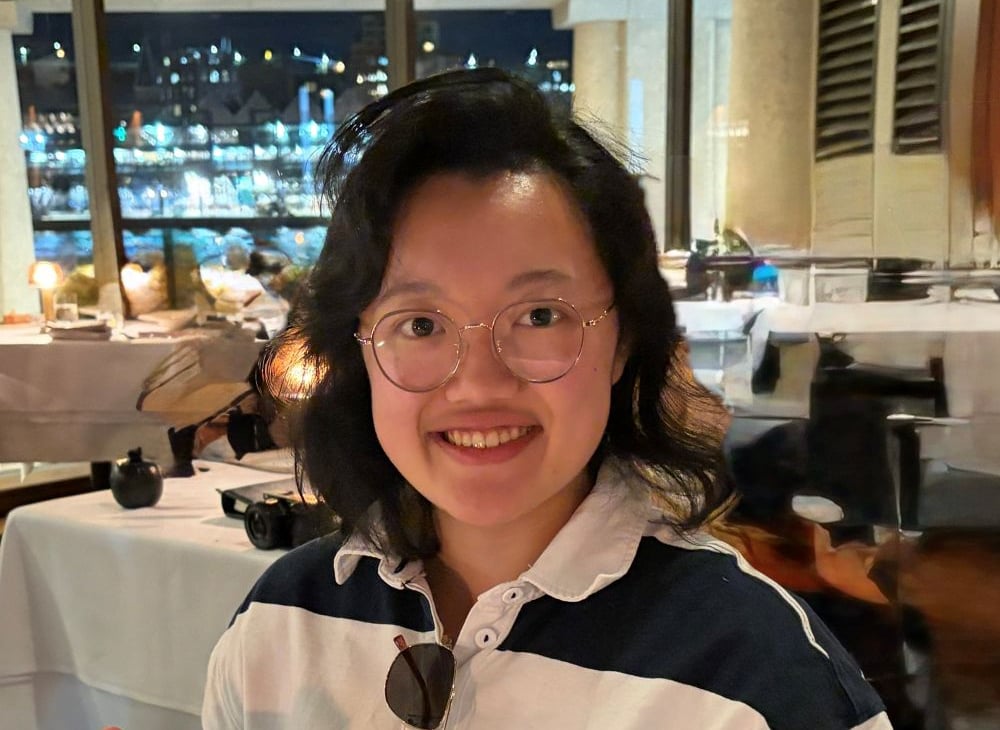
Ms Yiyao Chen, University of Sydney
Postgraduate Scholarship
Years funded: 2026 - 2028
Blood clots play a vital role in stopping bleeding, but when they form in the wrong place, such as in narrowed arteries or inflamed vessels, they can lead to heart attacks, strokes, and other serious complications. Current anti-thrombotic therapies are effective at reducing clot-related risks but inevitably lead to bleeding issues, presenting trade-offs between efficacy and safety. This project introduces an innovative approach to improve both: the development of the world’s first flow-responsive, mRNA-based anti-thrombotic therapy, designed to act precisely where and when it is needed, while preserving normal clotting function elsewhere. Our approach begins with the use of artificial intelligence (AI), including AlphaFold, to design small, highly specific peptides that inhibit von Willebrand factor (VWF), a key protein involved in shear-induced thrombus formation. These peptides are engineered to selectively block VWF activity under pathological high-shear flow, such as in narrowed or injured arteries, while preserving normal clotting elsewhere. Rather than delivering the peptides directly, enabling a patient’s own cells to manufacture the therapeutic agent temporarily, similar to how Moderna COVID-19 mRNA vaccines work. To deliver these mRNA constructs precisely to the site of interest, we will encapsulate them in lipid nanoparticles (LNPs) designed with dual-targeting features, enabling endothelial-targeting capabilities and shear-sensitive drug releasing mechanism. This dual-responsive system minimises side effects by restricting therapeutic action to thrombosis-prone sites. The safety and effectiveness of the therapy will be tested using our established “vessel-on-a-chip” platform, which mimics personalized human arteries to evaluate how well the therapy works across different clotting profiles. We will also apply our single-molecule force measurement tools, including the biomembrane force probe and optical tweezers, to fine-tune performance at the molecular level. To further support clinical translation, we will also evaluate safety and efficacy in animal models using humanised mice developed with our international collaborators for bleeding and stroke models testing that closely resemble human biology. This cross-disciplinary strategy combines AI-guided drug design, mRNA therapeutics, and vascular engineering to pioneer a new generation of personalised, precision anti-thrombotic treatments. Outcomes will be shared through peer-reviewed publications, Heart Foundation engagement channels, public forums, and open-access platforms, supporting future clinical translation and broad community benefit.
Supporting breakthrough cardiovascular research in Australia
- Looking to apply for Heart Foundation research funding? Keep an eye on our upcoming opportunities and application dates.
- Stay informed on heart health research by subscribing to our monthly Research Connect newsletter.
- Read more about our researchers and their projects through our Researcher Q&As.
- Every donation to the Heart Foundation helps fund world-leading research in the fight against heart disease. Donate today.
Last updated03 August 2026