Moving together: How movement behaviours of young children and their parents shape long-term health
/
Moving together: How movement behaviours of young children and their parents shape long-term health
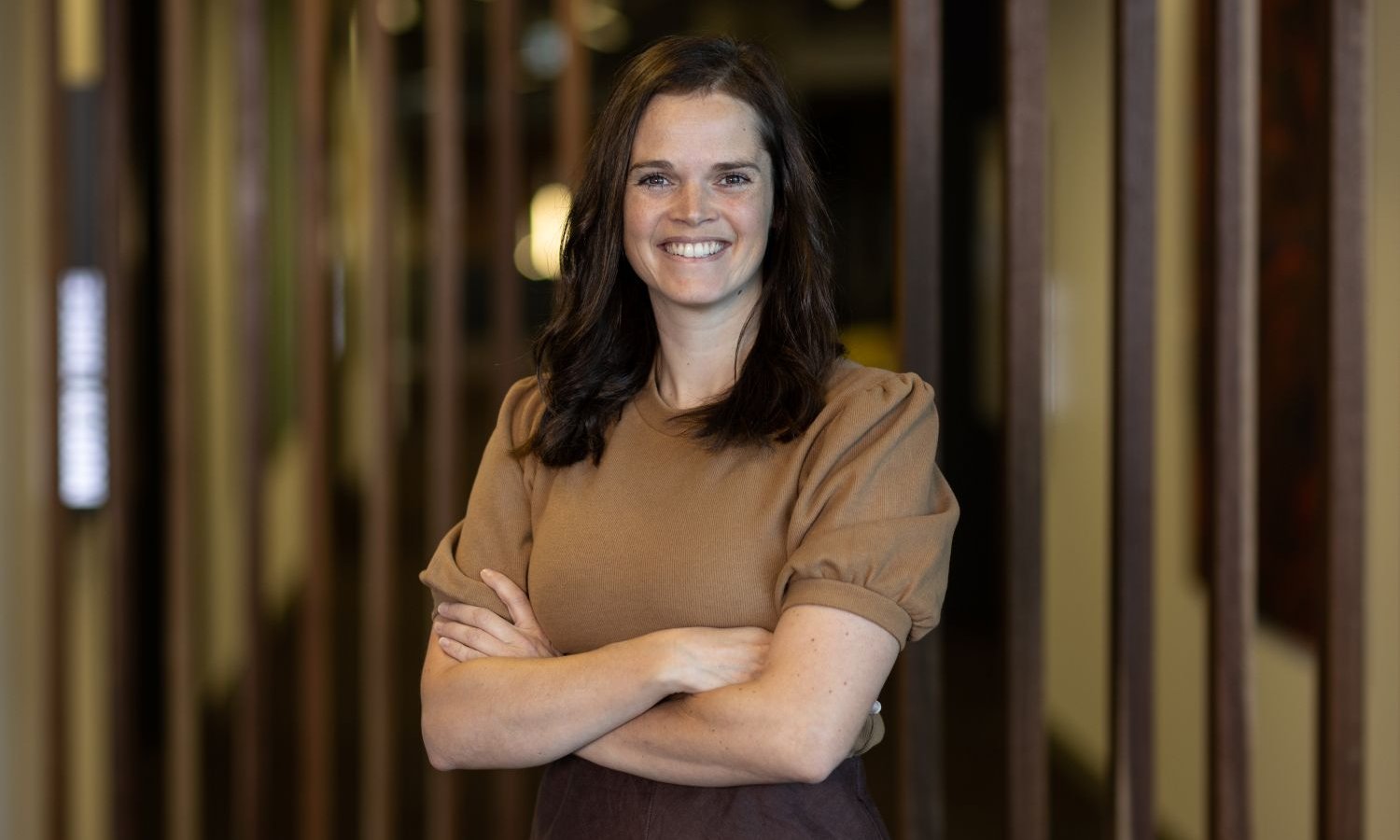
Doctor Simone Verswijveren, Deakin University
Postdoctoral Fellowship
Years funded: 2026 - 2029
Moving together: How movement behaviours of young children and their parents shape their long-term health
The early years of life (≤ 5 years) are crucial for developing healthy daily movement behaviours that contribute to preventing heart disease in later life. These movement behaviours include being active, limiting sitting time, and getting enough sleep. However, how movement behaviours change as children grow, and how they work together to influence cardiovascular health long-term, is unclear. Parents play a key role in shaping their child’s movement habits, for example by setting rules for limited screen time or acting as a role model. Studying parents and children together can help identify the best ways to support lifelong healthy behaviours across generations and inform cardiovascular prevention initiatives. This Fellowship aims to understand how young children and their parents’ movement behaviours change over time, how they interact within the parent-child dynamic, and how they relate to risk factors for heart disease.
The Fellowship will use data from the NHMRC-funded Let’s Grow study, a national dataset of >1,300 children and their parents. At five different time points between 2021-2025, both children and parents have worn small activity monitors to track their movement behaviours (physical activity, sitting time, and sleep). In 2025 (time point 5; before commencement of Fellowship), parents are also reporting on their own and their children’s heart health (e.g., diagnosed high blood pressure; waist circumference), and finger prick blood samples are being collected from parents and children to measure novel health markers linked to heart disease. A finger-prick blood test is a quick, painless, child-friendly alternative to a traditional blood draw and can be done at home.
The Fellowship will use cutting-edge analytical methods, such as compositional data analysis and latent trajectory analysis, to understand how movement behaviours change over time, how parent and child movement behaviours interact, and how they relate to cardiometabolic health markers. For example, this research will examine whether parents’ movement behaviours and health markers relate to changes in their child’s movement behaviours and health markers.
Findings will inform parents, health professionals, and policymakers on the best ways for families to engage in healthy movement behaviours to mitigate future risk of cardiovascular disease. Results will be shared through scientific journals, workshops, and seminars with key stakeholders (e.g., Let’s Grow group meetings with 30+ state and national policymakers and practitioners). Outcomes can inform family interventions and updated guidelines for optimal combinations of movement, sitting, and sleep that help reduce risk of heart disease and improve long-term health.
Supporting breakthrough cardiovascular research in Australia
- Looking to apply for Heart Foundation research funding? Keep an eye on our upcoming opportunities and application dates.
- Stay informed on heart health research by subscribing to our monthly Research Connect newsletter.
- Read more about our researchers and their projects through our Researcher Q&As.
- Every donation to the Heart Foundation helps fund world-leading research in the fight against heart disease. Donate today.
Last updated03 August 2026