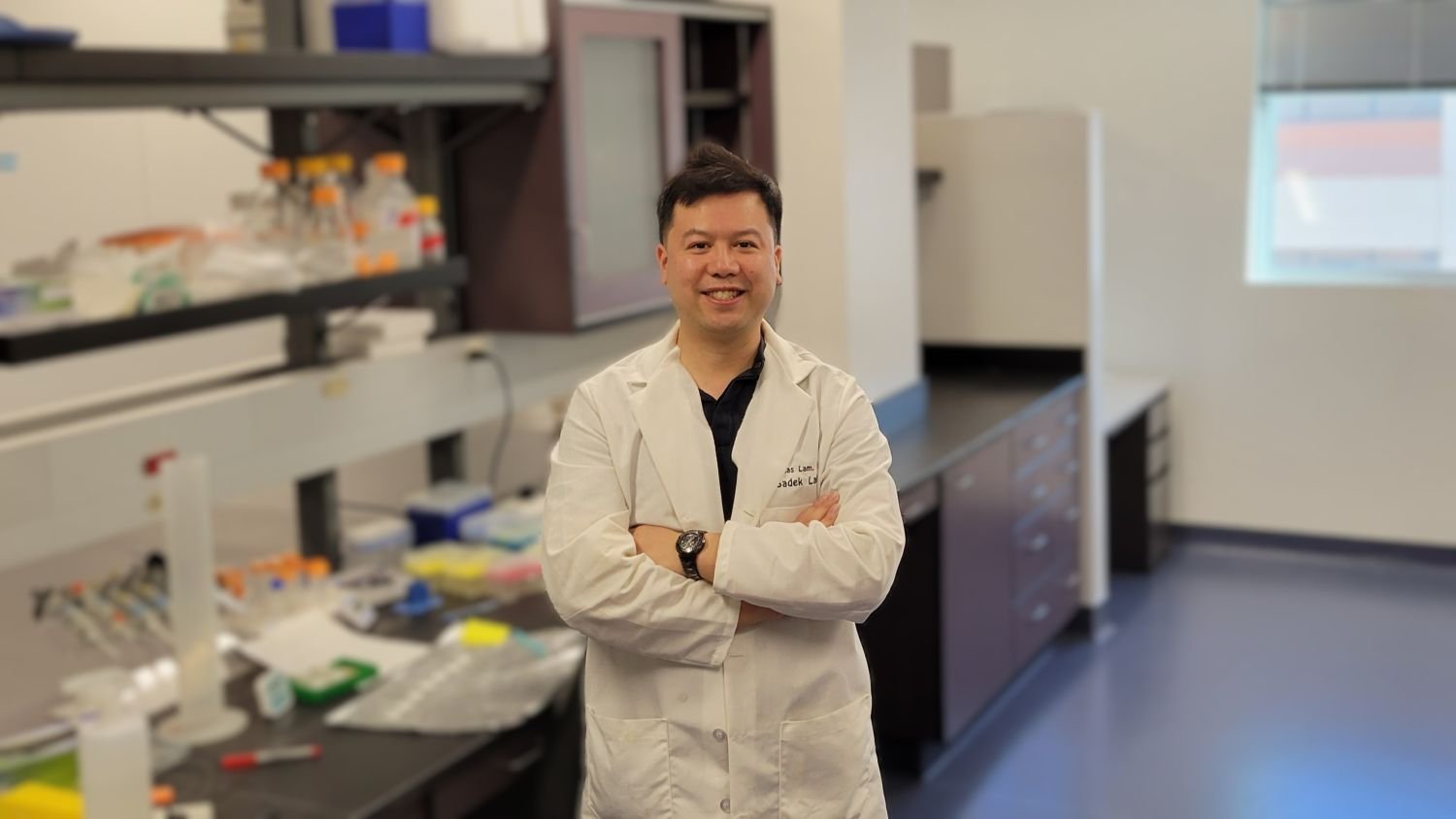
Promoting cell division of heart muscle cells to treat impaired heart function
Doctor Nicholas Lam, Heart Research Institute
Vanguard Grant
Years funded: 2026 - 2028
Heart failure (impaired heart function) is a leading cause of death in Australia. The inability of the adult heart to regenerate after injury (such as from a myocardial infarction or heart attack) is the underpinning of systolic heart failure and leads to a continuous decline in heart function. My lab’s goal is to promote cardiac regeneration by coaxing rarely dividing adult cardiomyocytes (heart muscle cells) to proliferate to restore cardiomyocytes lost from cardiac injury and improve heart function, leading to potential treatments or cure for heart failure. In contrast to adult mammals, injury to neonatal mouse hearts stimulates regeneration, mediated by proliferation of pre-existing cardiomyocytes, and restoration of heart function. This regenerative ability is lost within the first week of life as most cardiomyocytes undergo a burst of DNA synthesis without cytokinesis, leading to the exit of the cell cycle and binucleation in 88-95% of cardiomyocytes in 7 day old to adult mice. The mechanisms for why postnatal cardiomyocytes stop undergoing cytokinesis is not well understood. Cytokinesis is the final step in the eukaryotic cell cycle which physically separates 2 nuclei into 2 daughter cells.
I published a landmark paper in Circulation demonstrating that it is possible to directly induce cytokinesis in binucleated cardiomyocytes (which contain DNA content for 2 cells) to become 2 mononucleated daughter cells. If we can improve the proportion of binucleated cardiomyocytes to undergo cytokinesis, this can potentially generate double the number of total cardiomyocytes, sufficient to meaningfully regenerate the heart after injury.
Therefore, in this grant, my team aims to investigate the therapeutic potential and underlying mechanisms of inducing cytokinesis in multinuclear cardiomyocytes as a treatment for heart failure by generating and studying genetically modified mice with cardiomyocyte-specific overexpression of the most downregulated cytokinesis genes from the transition of neonatal to adult cardiomyocytes. We also plan to overexpress these cytokinesis genes with cardiomyocyte-specific modified RNA (modRNA), a technology safely used for Covid vaccines to express a protein of interest. In addition, we propose experiments to understand the mechanisms of why cytokinesis and cell cycle progression stops in cardiomyocytes soon after birth.
These findings may potentially help develop new therapeutic strategies to treat heart failure by promoting cytokinesis in multinuclear cardiomyocytes after myocardial infarction, increasing total cardiomyocytes, and restoring heart function. This will have a transformative impact in reversing the decline of degenerative heart failure, and towards a potential cure.
Supporting breakthrough cardiovascular research in Australia
- Looking to apply for Heart Foundation research funding? Keep an eye on our upcoming opportunities and application dates.
- Stay informed on heart health research by subscribing to our monthly Research Connect newsletter.
- Read more about our researchers and their projects through our Researcher Q&As.
- Every donation to the Heart Foundation helps fund world-leading research in the fight against heart disease. Donate today.
Last updated26 May 2026