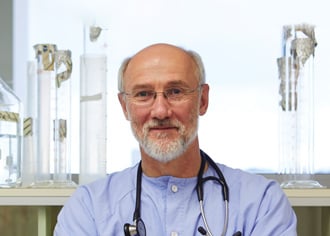
Innovative nanoparticles as long sought-after therapy for recovery after stroke
Professor Karlheinz Peter, The University of Melbourne
Vanguard Grant
Years funded: 2026 - 2027
Stroke is one of the leading causes of death and long-term disability in Australia and around the world. Every year, millions of people experience ischaemic stroke—a type of stroke caused by a blocked blood vessel in the brain. While emergency care for stroke has improved, there are still no approved treatments that help the brain to heal after the initial injury. Many survivors are left with lasting disabilities that affect their quality of life.
A major reason for poor recovery of patients suffering a stroke is an overshooting inflammatory response, with immune cells invading the damaged brain and instead of helping the brain to heal cause further damage. Our project is focused on reducing this harmful inflammation and supporting the brain’s ability to repair itself.
We are developing a highly innovative and new therapy using mRNA—the same technology used in COVID-19 vaccines—to produce a natural anti-inflammatory protein called IL-37 inside the body. This protein helps calm the immune system and protect brain tissue. To protect and deliver the mRNA effectively, we use very small fat-based particles called lipid nanoparticles (LNPs). These LNPs help to protect and transport the mRNA to immune cells and the brain.
In this project, we will improve the LNPs composition to make sure they deliver the mRNA specifically to the immune cells involved in stroke inflammation, while avoiding healthy tissues. We will also test different ways to apply the treatment, including a needle-free method, as drops in the nose (ultimately nasal spray). We will assess how well the treatment works in reducing inflammation, improving brain repair, and restoring movement and memory in animal models of stroke.
If successful, this research will lead to a first-of-its-kind and long sought-after therapy that promotes recovery after stroke. It has the potential to improve long-term outcomes, especially for people living in rural, remote, or disadvantaged communities who have limited access to hospital-based stroke care.
We are guided by stroke survivors and their strongly expressed need to develop a long sought-after therapy that helps the brain to recover after stroke. We are committed to sharing our findings with stroke survivors, clinicians, and the wider community through public talks, digital media (via University of Melbourne's and the Baker Institute's media teams), and partnerships with advocacy groups. Our goal is to bring this treatment closer to clinical trials and make it accessible to the people who need it most.
Supporting breakthrough cardiovascular research in Australia
- Looking to apply for Heart Foundation research funding? Keep an eye on our upcoming opportunities and application dates.
- Stay informed on heart health research by subscribing to our monthly Research Connect newsletter.
- Read more about our researchers and their projects through our Researcher Q&As.
- Every donation to the Heart Foundation helps fund world-leading research in the fight against heart disease. Donate today.
Last updated26 May 2026