New blood test to prevent recurrent stroke
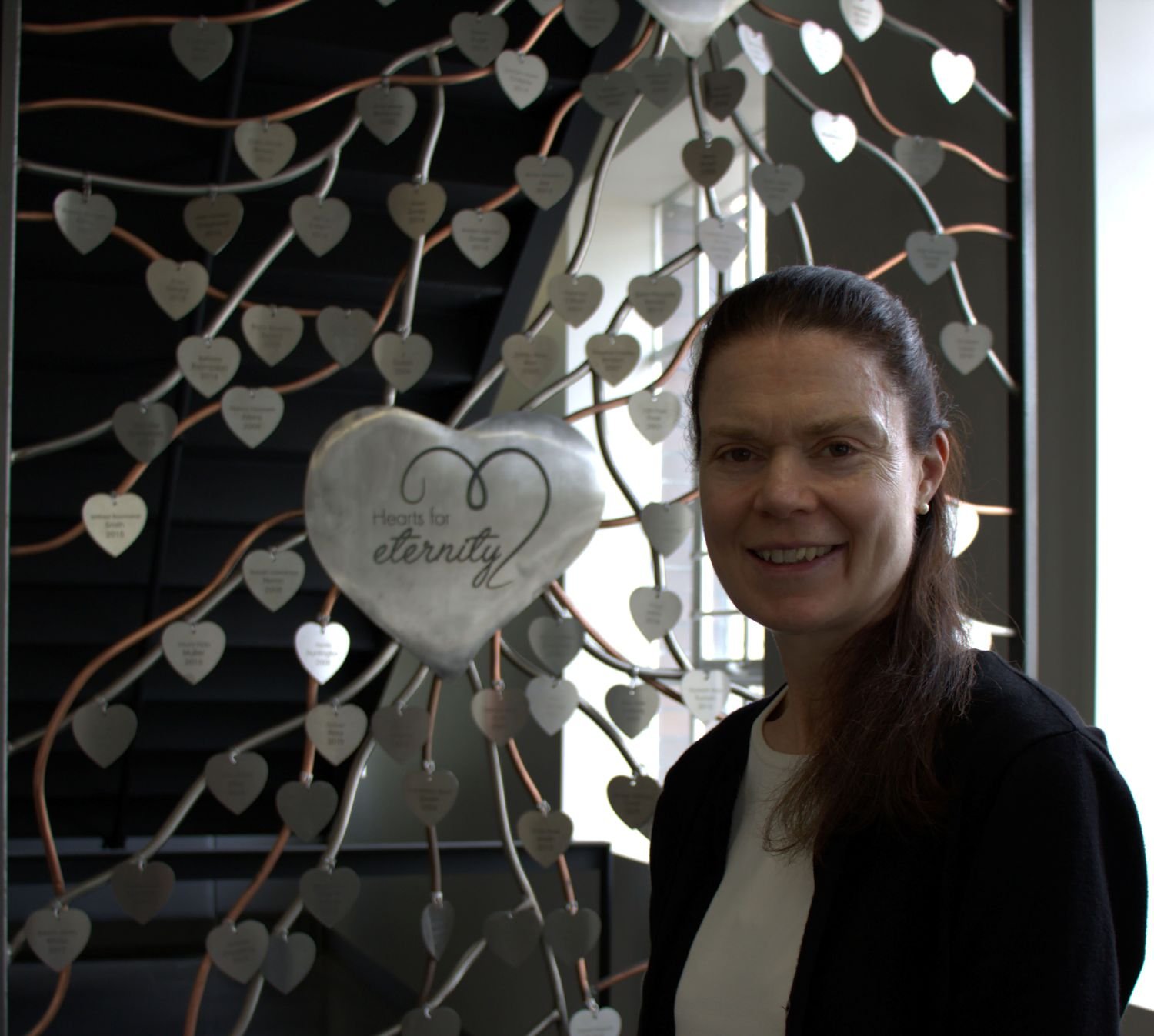
Professor Julie McMullen, Heart Research Institute
Vanguard Grant
Years funded: 2026 - 2027
Background: There are different types of stroke which require different treatments to prevent another stroke. Brain imaging can show that the stroke could have resulted from a blood clot inside the left atrium, one of the heart chambers. Ultrasound of the heart can now measure the function of the left atrium. If the measure of atrial function is low, it means there is an abnormality of the atria called atrial cardiomyopathy which allows blood clots to form in the heart, and break off into the circulation often blocking a large brain artery causing debilitating stroke. These strokes from atrial clots can be prevented by anticoagulants but not aspirin (antiplatelet therapy) which is the best preventive treatment for other types of stroke. Thus, the detection of atrial cardiomyopathy is critical to determine the most effective treatment to prevent recurrent stroke. However, the specialized heart ultrasound to detect atrial cardiomyopathy is available to only 30% of stroke patients in hospitals around Australia, and even lower in rural and remote regions. Having a single blood test to diagnose atrial cardiomyopathy in every patient after stroke, could revolutionize stroke treatment and prevent recurrent stroke, disability and dementia. Our research in laboratory models with atrial cardiomyopathy and atrial fibrillation (AF), and patients with AF, has shown that a simple blood test can predict the occurrence of atrial cardiomyopathy and new AF, but this has not yet been assessed in stroke patients.
Aim: The major goal of this study is to assess whether a new blood marker could replace ultrasound to identify atrial cardiomyopathy and help us prevent future stroke.
Methods: We will have access to blood samples from a unique clinical trial with about 500 stroke patients. Ultrasound will be performed in all patients at hospitals across NSW with specific expertise in measuring atrial cardiomyopathy. We will examine the association of our new marker with the ultrasound measurements.
Outcome & Impact: Identification of a new blood test which has the potential to be performed in all stroke patients to identify atrial cardiomyopathy and predict recurrent stroke from left atrial clots. This will allow doctors to prescribe effective treatment to prevent these future strokes.
Translation & dissemination: Results will be presented at scientific conferences, published in medical and scientific journals, and provided to clinicians, patients and consumer groups. If our new blood test can replace ultrasound this would change future guidelines and care of patients post-stroke.
Supporting breakthrough cardiovascular research in Australia
- Looking to apply for Heart Foundation research funding? Keep an eye on our upcoming opportunities and application dates.
- Stay informed on heart health research by subscribing to our monthly Research Connect newsletter.
- Read more about our researchers and their projects through our Researcher Q&As.
- Every donation to the Heart Foundation helps fund world-leading research in the fight against heart disease. Donate today.
Last updated26 May 2026