Repurposing a common anti-inflammatory drug to reduce inflammation and prevent heart failure
/
Repurposing a common anti-inflammatory drug to reduce inflammation and prevent heart failure
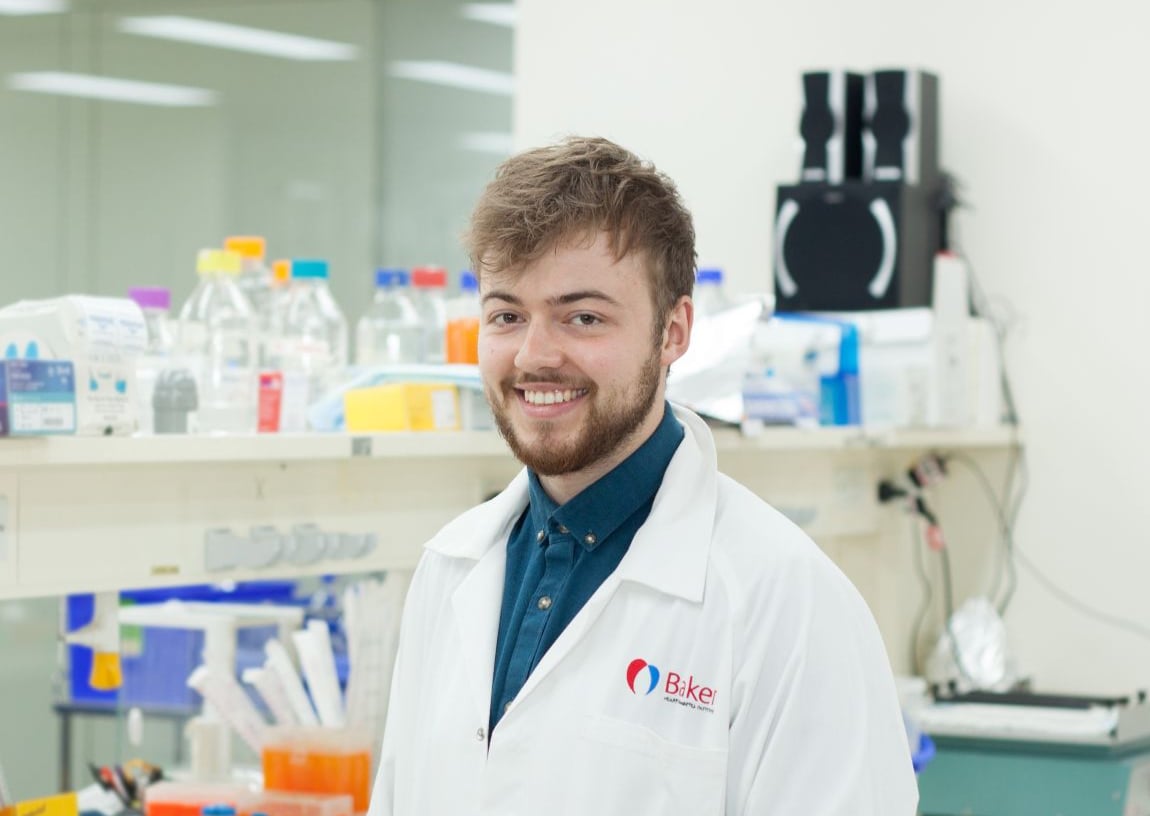
Doctor Jonathan Noonan, The University of Melbourne
Vanguard Grant
Years funded: 2026 - 2027
Repurposing a common anti-inflammatory drug to reduce inflammation and prevent heart failure after a heart attack
Even with the best available medical treatments, many patients who suffer a heart attack (myocardial infarction, MI) due to a blocked coronary artery sustain severe and irreversible damage to the heart’s main pumping chamber, the left ventricle. This damage can occur even after timely reopening of the artery in hospital, largely due to excessive inflammation caused by over-active immune cells. Tragically, there are currently no effective therapies to prevent this inflammation, condemning millions of MI survivors worldwide to long-term complications, including heart failure and premature death.
Growing evidence implicates T cells - a central component of the immune system - as major drivers of this post-MI inflammatory damage. Recently, with Heart Foundation support, we discovered that blocking T cell responses with an approved and widely used drug (abatacept) nearly eliminates inflammation in the heart and dramatically improves cardiac function in a robust animal model of MI.
We now seek to take this promising discovery into the clinic. This proposed first-in-human study will test the feasibility of our innovative concept - targeting T cells to protect the heart after MI - in patients, paving the way for large-scale, outcomes-focused trials. Our three key aims are:
1. Confirm the safety of abatacept post-MI. Abatacept is safely used in autoimmune diseases, but we must verify safety in this new clinical setting.
2. Quantify the extent to which abatacept prevents inflammation following MI. We will use advanced cellular and molecular biology techniques including spectral cytometry, single-cell RNA and T cell receptor sequencing to generate a comprehensive picture of abatacepts ability to prevent post-MI inflammation.
3. Assess whether abatacept reduces cardiac damage using clinical imaging (including MRI) and biomarkers of heart damage.
The expected impact of our study is two-fold. By selectively inhibiting T cells we will gain fundamental insights into how these cells contribute to inflammation after MI in humans – for the very first time. This is likely to yield at least one high-impact publication of interest to cardiovascular and immunology related research communities alike. Second, we aim to address a major global health gap, as there are currently no available drugs that prevent this critical inflammation in the heart after a MI. Our project has strong potential to rapidly change this by repurposing a highly specific and well-characterized anti-inflammatory drug. We anticipate this will attract extensive research funding (e.g., MRFF, NHMRC CTCS) and foster partnerships with industry to translate abatacept through international multi-center clinical outcomes trials.
Supporting breakthrough cardiovascular research in Australia
- Looking to apply for Heart Foundation research funding? Keep an eye on our upcoming opportunities and application dates.
- Stay informed on heart health research by subscribing to our monthly Research Connect newsletter.
- Read more about our researchers and their projects through our Researcher Q&As.
- Every donation to the Heart Foundation helps fund world-leading research in the fight against heart disease. Donate today.
Last updated26 May 2026