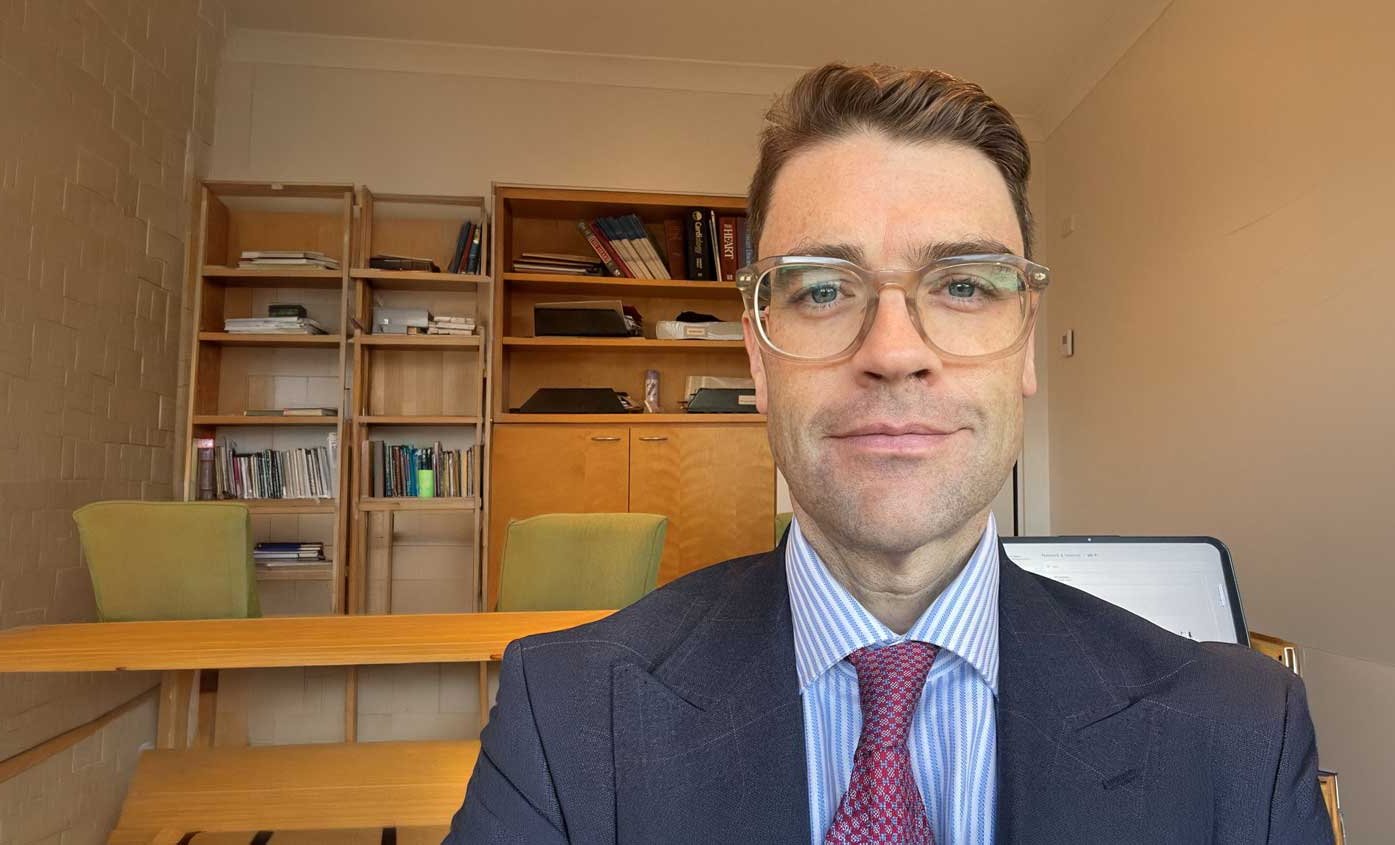
Winding back the clock on heart failure for earlier diagnosis
Professor John O'Sullivan, University of Sydney
Vanguard Grant
Years funded: 2026 - 2027
Winding back the clock on heart failure for earlier diagnosis, more effective therapy, and improved outcomes
Heart failure remains to have terrible outcomes, with 1 in 5 people dying within 5 years of diagnosis. Upon development of a process called fibrosis, the heart cannot be recovered. This process involves deposition of material between the heart cells that interfere with both its contraction and relaxation. Clinical trials that have attempted to reverse this process have been futile.
Therefore, efforts have recently focused on upstream processes, which are still reversible, that lead to fibrosis. The most promising emerging target involves a process of sterile inflammation, whereby the fuel molecules in the heart accumulate and start to trigger inflammation, leading to fibrosis. However, this sterile inflammatory process remains poorly understood. Excitingly, we have recently made a major discovery of such a pathway directly in failing human hearts. Our team includes international experts in this pathway, in addition to experts in heart failure, heart energy generation, and the link between changes in energy generation, inflammation, and fibrosis.
An intriguing part of this pathway is a self-regulatory process to recover the heart. The fuel molecule that leads this recovery seems to inhibit the disease-causing part of the pathway, and recover the normal healthy processes in the heart. A member of our team has made the first analogue of this recovery molecule, which has superior beneficial effects and stability. Furthermore, it is completely non-toxic.
Therefore, in this body of work we will comprehensively explore the mechanisms by which this pathway leads to fibrosis (“stiffening”) in human heart tissue. We will examine how it impairs cardiac energy generation, and how it activates cells and molecules to create fibrosis. We will deliver the natural recovery molecule alongside our patented analogue of this molecule to determine the relative ability of each to recover heart failure.
We will disseminate all our findings via high impact publications and conferences, and via our longstanding partnership with peak consumer bodies Hearts4heart and Heart Support Australia. We will also communicate our findings via our National Heart Failure Alliance, our partners in ACvA Heart Failure and Frailty working group, our own Heart Failure patients, and our own patient advocates. Our national clinical trial framework, based on our two investigator-led clinical trials (e.g. pEFNAD and CardioNAD), will serve as a launchpad for further clinical translation, alongside our leadership roles in national heart failure bodies.
Supporting breakthrough cardiovascular research in Australia
- Looking to apply for Heart Foundation research funding? Keep an eye on our upcoming opportunities and application dates.
- Stay informed on heart health research by subscribing to our monthly Research Connect newsletter.
- Read more about our researchers and their projects through our Researcher Q&As.
- Every donation to the Heart Foundation helps fund world-leading research in the fight against heart disease. Donate today.
Last updated26 May 2026