Towards personalised antithrombotic therapy - developing a novel monitoring device
/
Towards personalised antithrombotic therapy - developing a novel monitoring device
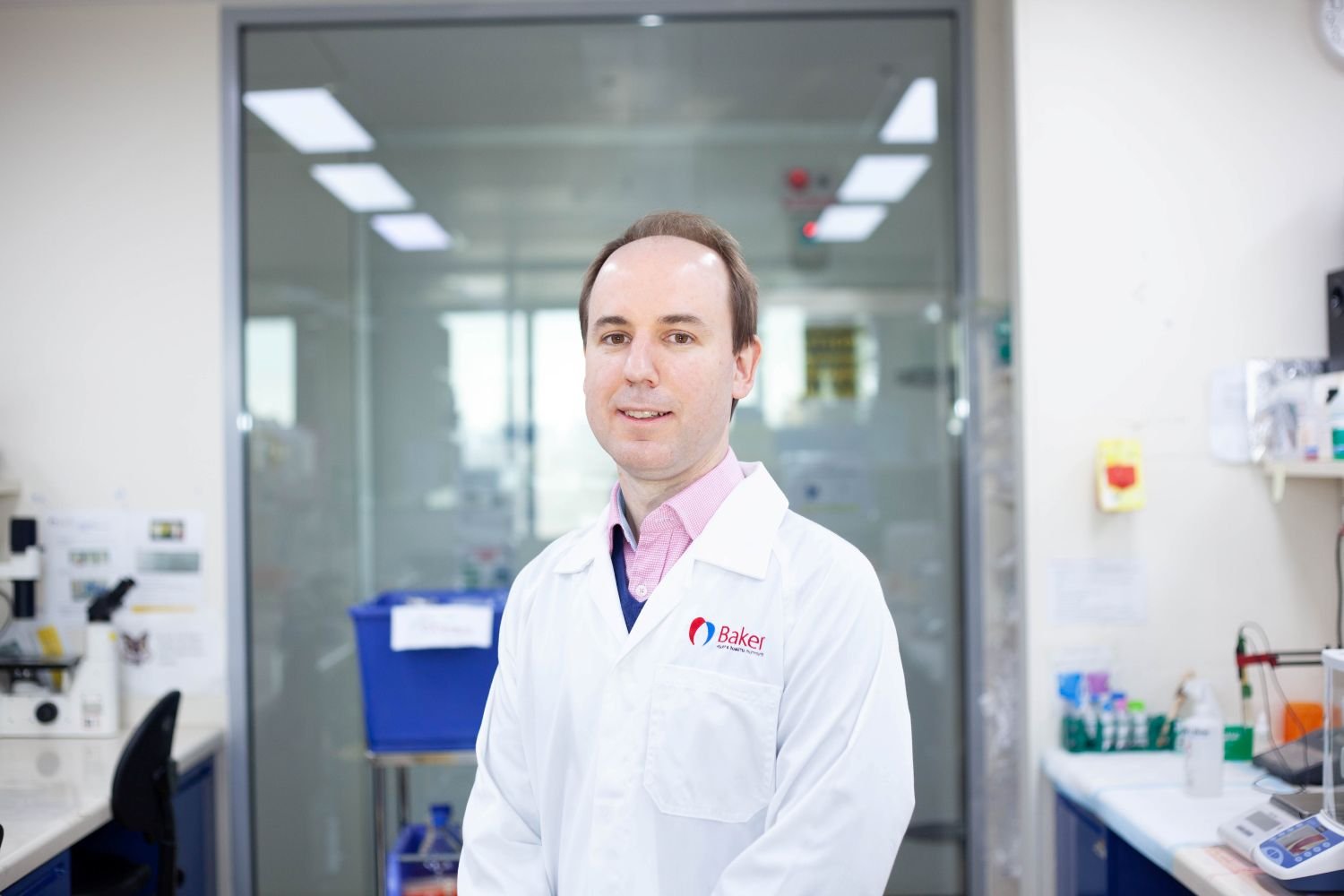
Associate Professor James McFadyen, The University of Melbourne
Vanguard Grant
Years funded: 2026 - 2027
Towards personalised antithrombotic therapy - developing a novel monitoring device to reduce bleeding and blood clots for patients treated with extracorporeal membrane oxygenation
Extracorporeal membrane oxygenation (ECMO) is used in critically ill patients with cardiogenic shock and cardiac arrest. The ECMO circuit comprises an external pump, oxygenator, and circuit, exposing circulating cells, such as platelets, to very high blood flow rates and artificial surfaces, which can lead to platelet activation and dysfunction. Consequently, blood thinning medication is typically administered to prevent circuit-related blood clots. Despite this, blood clots remain a common complication occurring in up to 14% of patients. Moreover, ECMO-associated bleeding is the most common complication with an incidence of up to 33% and is associated with increased morbidity, mortality and length of hospital stay. A major unmet need is the current lack of diagnostic tools which accurately assess ‘global’ platelet function and haemostasis. Platelets are critical cellular mediators of haemostasis and have been shown to become dysfunctional in patients requiring extracorporeal membrane oxygenation (ECMO) and represent potentially important therapeutic targets to minimise bleeding and thrombotic complications in ECMO. Therefore, understanding the effects of ECMO on platelet function and developing diagnostics that can accurately assess haemostasis in real time are critical to identifying patients at increased risk of bleeding or thrombosis. This is a significant unmet clinical need given all patients on ECMO are currently managed with a ‘one size fits all’ anticoagulation approach. We aim to develop a novel point of care diagnostic device which will allow the assessment of a patient’s risk of thrombosis or bleeding, thereby allowing the tailored use, and individualised dosing of antithrombotic therapy. Therefore, we propose to 1) perform in depth analysis platelets from patients being treated with ECMO, and 2) develop a novel device which can assess all aspects of platelet function as a rapid point of care diagnostic tool. These insights will ultimately allow more accurate assessment of haemostasis in patients on ECMO, leading to personalised antithrombotic strategies and ultimately reduced rates of bleeding and thrombotic complications.
Supporting breakthrough cardiovascular research in Australia
- Looking to apply for Heart Foundation research funding? Keep an eye on our upcoming opportunities and application dates.
- Stay informed on heart health research by subscribing to our monthly Research Connect newsletter.
- Read more about our researchers and their projects through our Researcher Q&As.
- Every donation to the Heart Foundation helps fund world-leading research in the fight against heart disease. Donate today.
Last updated15 June 2026