Improving Rheumatic Heart Disease treatment with a novel stem cell model of heart valve tissue
/
Improving Rheumatic Heart Disease treatment with a novel stem cell model of heart valve tissue
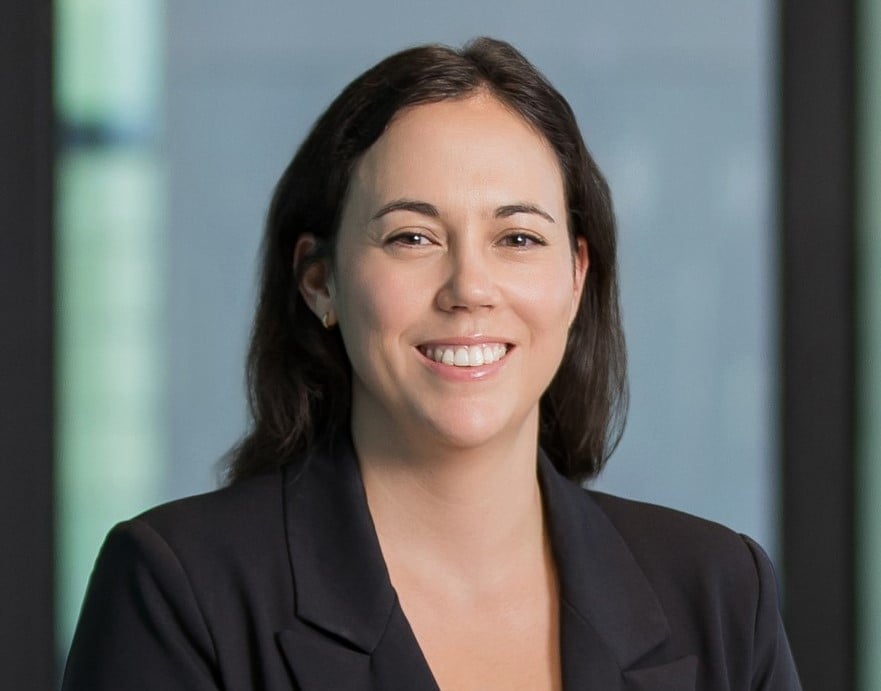
Doctor Holly Voges, Murdoch Children's Research Institute
Future Leader Fellowship
Years funded: 2026 - 2029
Rheumatic Heart Disease (RHD) is a global health crisis affecting 55 million people and causing 360,000 deaths annually. It results in irreversible heart valve damage, leading to heart failure and early death. In Australia, RHD disproportionately impacts First Nations communities, accounting for 95% of cases. RHD is caused by an overactive immune response to a bacterial infection, which leads to inflammation and scarring of heart valves. The disease severely affects quality of life, leading to early mortality in children. There is currently no vaccine, single diagnostic test or medical treatment to repair damaged heart valves. Traditional animal models are ineffective for RHD research due to the human-specific nature of Strep A infection. This creates a major barrier to developing treatments. My research program is pioneering the use of human pluripotent stem cell technologies to overcome these barriers and work towards a cure for RHD. My project methodology is using for the first time stem cell-derived valve tissues as a living human-specific platform for RHD research. The questions that I am addressing are to firstly understand the underlying biology of valve damage in RHD, secondly to test new medicines for valve repair, and thirdly to work towards a stem cell-based replacement valve prosthetic for children. Blood samples from patients with RHD will allow us to tease apart the role of different inflammatory signals in the blood that can drive valve tissue damage in our stem cell model. Specifically, we can investigate how inflammatory signals called cytokines, autoantibodies that are generated against Strep A, or different types of immune cells drive the pathology seen in RHD. Together this will address remaining unknown questions in the field to understand the mechanisms of disease. This knowledge will allow for more precise drug testing and development of new therapies which would have worldwide impact. We have built strategic partnerships with several non-for-profit organisations focused on childhood heart disease, First Nations health and education, and lived experience of RHD patient groups to inform and disseminate our research. Key partnerships include HeartKids the non-for-profit focused on childhood heart disease, DeadlyScience an Aboriginal-led non-for-profit focused on equitable access to STEM for Aboriginal children, and collaboration with leading RHD clinicians and First Nations researchers to participate on the DeadlyHeartTrek for RHD screening in remote communities. Together we aim to develop a culturally safe and impactful research program guided by respect, equity, reciprocity and cultural safety for First Nations patients.
Supporting breakthrough cardiovascular research in Australia
- Looking to apply for Heart Foundation research funding? Keep an eye on our upcoming opportunities and application dates.
- Stay informed on heart health research by subscribing to our monthly Research Connect newsletter.
- Read more about our researchers and their projects through our Researcher Q&As.
- Every donation to the Heart Foundation helps fund world-leading research in the fight against heart disease. Donate today.
Last updated01 July 2026