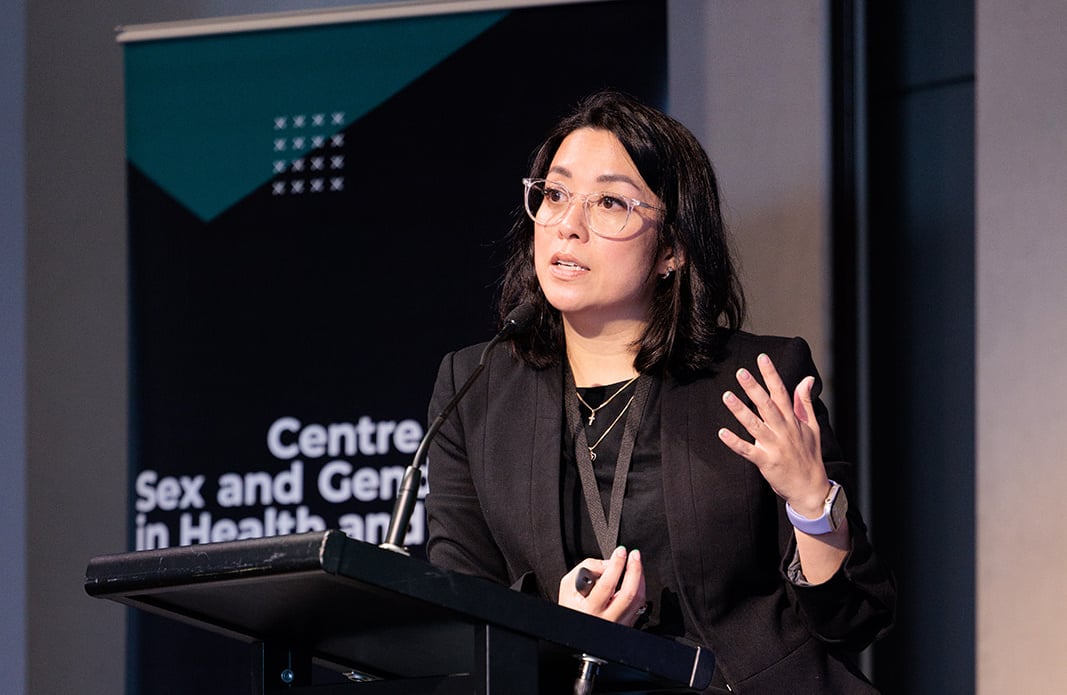
Blood biomarker identification of acute intracerebral haemorrhage in the ambulance
/
Blood biomarker identification of acute intracerebral haemorrhage in the ambulance
Associate Professor Cheryl Carcel, University of New South Wales
Vanguard Grant
Years funded: 2026 - 2026
Intracerebral haemorrhage (bleeding in the brain), a severe and often untreatable type of stroke, affects millions globally each year. High blood pressure, present in over 60% of intracerebral haemorrhage patients, worsens the likelihood of death and disability by causing haematoma growth and neurological decline. Early blood pressure control, ideally within 3 hours of symptom onset, improves outcomes, as shown in the INTERACT4 study which was conducted in ambulances throughout China. While this study showed benefits of early blood pressure lowering in intracerebral haemorrhage, there were harms seen in people with ischaemic stroke (blocked artery stroke) as the study was not able to differentiate between stroke subtypes.
This study will assess the feasibility of conducting a test for the blood-based biomarker, glial fibrillary acidic protein (GFAP), to diagnose intracerebral haemorrhage in the ambulance. GFAP will be tested by paramedics using the LVOne lateral flow device in 112 participants in NSW and Victoria. GFAP results from the ambulance will be compared to hospital imaging reports to determine accuracy. Findings from this feasibility study will be used to provide confidence in accurately identifying intracerebral haemorrhage using a simple, scalable device to safely administer blood pressure lowering medication in the ambulance. Ultimately, this study is conducted to inform the practicality of establishing a larger, randomised, multinational trial with ultra early (pre-hospital) blood pressure intervention in GFAP positive intracerebral haemorrhage.
Supporting breakthrough cardiovascular research in Australia
- Looking to apply for Heart Foundation research funding? Keep an eye on our upcoming opportunities and application dates.
- Stay informed on heart health research by subscribing to our monthly Research Connect newsletter.
- Read more about our researchers and their projects through our Researcher Q&As.
- Every donation to the Heart Foundation helps fund world-leading research in the fight against heart disease. Donate today.
Last updated26 May 2026