Close the Gap Day
Media release: Thursday 19 March, 2026
New video exposes toll of rheumatic heart disease as Heart Foundation backs campaign call for First Nations led action
Heart Foundation stands united with First Nations leaders this Close the Gap Day
The Heart Foundation has released a powerful new short film revealing the impacts of acute rheumatic fever (ARF) and rheumatic heart disease (RHD) on First Nations communities, as it calls for stronger national action this Close the Gap Day.
RHD has been eliminated in many parts of the world, yet almost 12,000 people in Australia are registered as living with ARF or RHD. While both diseases are now rare in Australia’s major cities, they continue to disproportionately affect First Nations communities, with more than 93 per cent of ARF cases occurring in First Nations Australians, more commonly found in children aged 5 to 14 and women.*
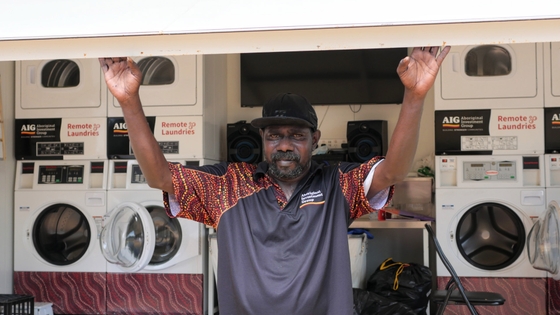
RHD is a serious but preventable condition that causes permanent damage to the heart’s valves. In Australia, First Nations communities experience some of the highest rates of RHD in the world, reflecting long‑standing inequities rather than individual choices. Barriers to culturally safe healthcare, housing conditions and limited access to functional washing facilities as well as working showers and taps can increase the spread of Strep A infections. Untreated Strep A can cause ARF, which if left untreated can lead to RHD.
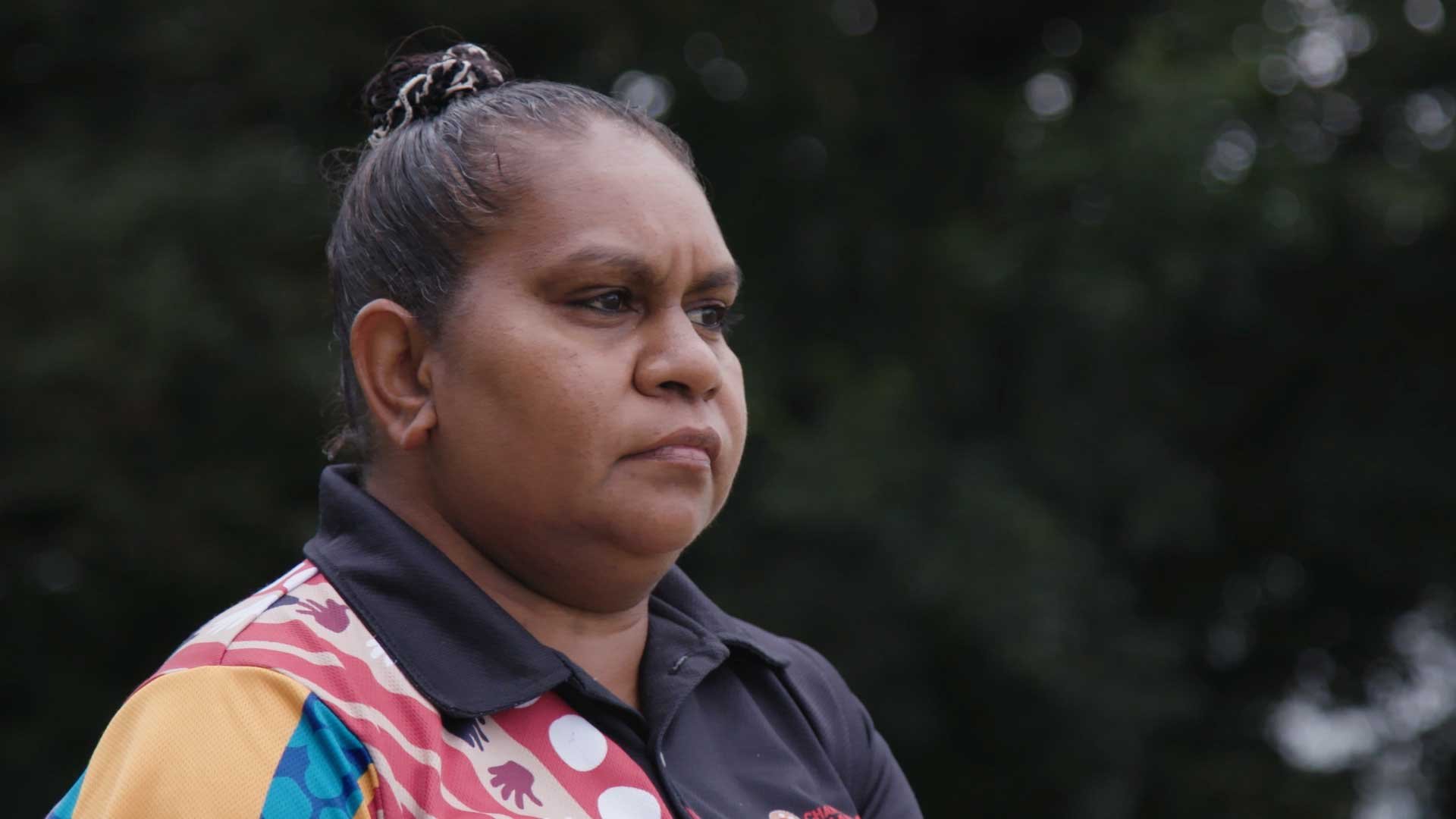
To help highlight the ongoing impact of ARF and RHD, the Heart Foundation has partnered with creative agency Laundry Lane to produce short film Acute rheumatic fever and rheumatic heart disease explained. The three minute video features First Nations people living with RHD, as well as expert voices working in remote communities. The video was created for the Heart Foundation pro bono to highlight the urgent need to act and support First Nations leadership to end the preventable disease.
Jacinta Hegarty, the Heart Foundation’s First Nations Heart Health Lead, urged people to watch and share the film this Close the Gap Day and said it provides crucial insight to better understand the realities communities face.
“Close the Gap Day is a powerful reminder that RHD should not exist in Australia in 2026,” Ms Hegarty said.
“This video shows real families and communities living with the reality of RHD every day. These are real stories and anyone who watches the video can see it is time to act. We need to focus on prevention, detection and managing RHD, as well as addressing the social and structural conditions that allow a preventable disease to persist.”
Heart Foundation: First Nations voices must lead the change
As a proud member of the Close the Gap Campaign, the Heart Foundation is today urging governments to honour the National Agreement on Closing the Gap, particularly the commitment to shared decision making and community-controlled health solutions.
This year’s campaign theme, Community Voices: The Pathway to Justice, Equality and Healing, reinforces the importance of self-determination.
Katie Kiss, Close the Gap Campaign Co-Chair, said Aboriginal and Torres Strait Islander communities are leading reform and delivering strong results.
"With the right legislative, policy, and funding support, governments can help sustain and expand this success across the National Agreement and in the lives of Aboriginal and Torres Strait Islander people," she said. Ms Hegarty said Heart Foundation initiatives such as Champions4Change as well as its partnership with Aboriginal Investment Group’s Remote Laundries Project embed lived experience and culture at the centre of care for people affected by ARF and RHD.
“Real progress happens when communities lead and systems support, rather than obstruct, that leadership,” Ms Hegarty said. “If Australia is serious about heart health equity, we must listen to communities and invest in the solutions we know will work. Health equity is shaped by social, cultural, and systemic conditions that can and must be changed.”
“If Australia is serious about heart health equity, we must listen to communities and invest in the solutions we know will work. Health equity is shaped by social, cultural, and systemic conditions that can and must be changed.”
RHD set for global spotlight at upcoming World Congress
Later this year, the Heart Foundation will host the World Congress on Rheumatic Heart Disease in Perth, bringing together global experts, policymakers and people with lived experience to drive practical solutions.
“We have global attention, national leadership and community voices aligned. This is Australia’s moment to accelerate prevention, improve detection, management and care and address the root causes of RHD,” Ms Hegarty said.
Advancing RHD research to help end the preventable disease
Heart Foundation funded researcher Dr Holly Voges from the Murdoch Children’s Research Institute is working with stem cell models of heart valves and heart muscles to better understand
RHD, with the long-term goal of developing new treatments that will prevent children from having invasive heart valve surgery.
“RHD is incredibly sad because it is preventable but there are no medications that can reverse the damage to the heart once it has started,” Dr Voges said.
“Today what treatment looks like for a child with RHD is travelling a long way to hospital and needing valve surgery. It often means repeated surgeries, which is incredibly traumatic, and we know that it’s not a cure, it’s managing symptoms to an extent.
“My hope is that we can find new medicines to intervene earlier for children to reduce their reliance on surgery and reduce inequity in First Nations Australians.
“I feel very lucky to have support from the Heart Foundation and their donors. What this has allowed me to do is to pursue innovative research in RHD that we otherwise couldn’t do.”
You might also be interested in...

What is acute rheumatic fever (ARF) and rheumatic heart disease (RHD)?
Rheumatic heart disease is a serious disease that causes damage to your heart valves.
Champions4Change
A national program that brings together people with the lived experience of acute rheumatic fever (ARF) and RHD.
Remote Laundries: Building stronger communities through washing
This off-grid solution will help ensure Remote Laundries can be delivered to any community, anywhere in Australia.
Last updated20 March 2026