
What is heart disease?
Heart disease is the name for different conditions that affect how well the heart works.
Less people are dying from heart disease than before and knowing the signs when your heart heart needs help can help keep people strong and keep this number going down.
Key takeaways
2 min read
- Heart disease describes a range of conditions that affect how well your heart works.
- Heart disease is the leading cause of death among Aboriginal and Torres Strait Islander peoples, causing 1 in 10 deaths.
- Many cases of heart disease can be prevented.
- Healthy choices and regular health check-ups can help keep your heart strong.
How your heart works
Your heart plays an important role in your wellbeing, and caring for it helps you stay strong and healthy for yourself and your family.
Your heart is a strong muscle that pumps blood and carries oxygen and nutrients to all parts of your body. Inside the heart are spaces called chambers which are connected by valves. The valves work like doors, opening and closing to keep blood moving the right way. Blood goes from the heart to the lungs to pick up oxygen. It then returns to the heart and is pumped out to the rest of the body.
.jpg?crop=795.0%2C795.0%2Cx204.0%2Cy0.0&format=pjpg&auto=webp&crop=795.0,795.0,x204.0,y0.0)
What is heart disease?
Heart disease is the name for different conditions that affect how well the heart works. Heart disease can happen when:
- the heart muscle becomes weak
- the blood vessels become blocked or damaged
- the heart valves become damaged
the heart doesn’t pump blood the way it should. When the heart isn’t working properly, the body may not get the oxygen and nutrients it needs to stay healthy.
Types of heart disease you can get

|
Heart attack: when a blood vessel becomes blocked or narrow because of a build-up of fatty material inside the blood vessel. |

|
Heart failure: is a long-term condition that happens when your heart muscle becomes damaged and doesn’t pump blood to the rest of your body properly. |

|
Valve disease: when your heart’s valves don’t open or close properly. This means the blood isn’t flowing through the heart in the right way. |

|
Rheumatic Heart Disease (RHD): rheumatic heart disease is a type of valve disease and is permanent damage to one or more of the heart’s valves. This happens after a person has acute rheumatic fever (ARF) one or more times. |

|
Arrythmias: arrythmias are problems with the hearts electrical system. They can make the heartbeat too fast, too slow, or uneven. |
Impact of heart disease
Heart disease affects First Nations people more often than other Australians. It can also happen 10 to 20 years earlier. While less First Nations people are dying from heart disease than before, it is still a leading cause of death, causing around 1 in 10 deaths.
You can keep your heart healthy and strong
The good news is that many cases of heart disease can be prevented. Small choices we make every day can help keep your heart strong. Eating healthy foods, moving every day, staying smoke free, looking after your wellbeing, and having regular checkups at the clinic can make a difference. Check out the How to keep your heart strong page to see what you can do today for a healthier heart.
Resources
Explore information and resources – including from the Heart Foundation – to support your understanding about heart health to keep your heart strong.
References
1. Australian Institute of Health and Welfare. 1.05 Cardiovascular disease. AIHW. Accessed 4 Jan 2024, https://www.indigenoushpf.gov.au/measures/1-05-cardiovascular-disease
2. Australian Bureau of Statistics. Causes of Death, Australia. 2022. Accessed 4 Jan 2024. https://www.abs.gov.au/statistics/health/causes-death/causes-death-australia/latest-release

First Nations healthy eating resources
Explore the Heart Foundation's healthy eating videos and downloadable resources for Aboriginal and Torres Strait Islander people, focusing on sugar and healthy foods.
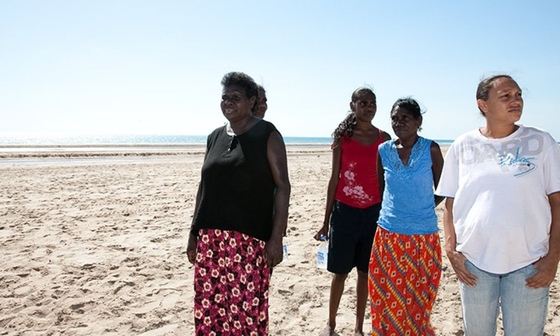
Pilbara Aboriginal Heart Health Program
The Pilbara Aboriginal Heart Health Program works with local communities to improve heart health.
Aboriginal heart health website
Visit the St Vincents Hospital NSW and Heart Foundation Aboriginal heart health website for more information
Last updated20 July 2026
Last reviewed27 February 2026