Signs to check your heart health
Knowing what helps your heart and what can affect it helps you make choices to keep it strong and healthy.
Key takeaways
- Learn about the 10 steps to protect your heart – keeping it strong and healthy.
- There are some things you can't change, that increase your chances of heart disease, like your age, gender, cultural background and family history.
- Things you can change to lessen your chances of heart disease include high blood pressure, high cholesterol, and diabetes.
- The best way to know if you are at risk is to get a check-up with your doctor or visit your clinic.
- First Nations people may have a higher chance of getting heart disease, but you can help protect your heart by making healthy choices every day.
You can keep your heart strong and healthy
Having a healthy lifestyle can help reduce the risk of heart disease. A healthy lifestyle includes eating healthy food, being active every day, reducing alcohol intake and being smoke-free.
Having a healthy lifestyle is good for the whole family and community, not just people at risk of heart disease.
You can help prevent heart disease by living a healthy life with help from your doctor, nurse or a health worker. Read more about these steps to protect your heart.
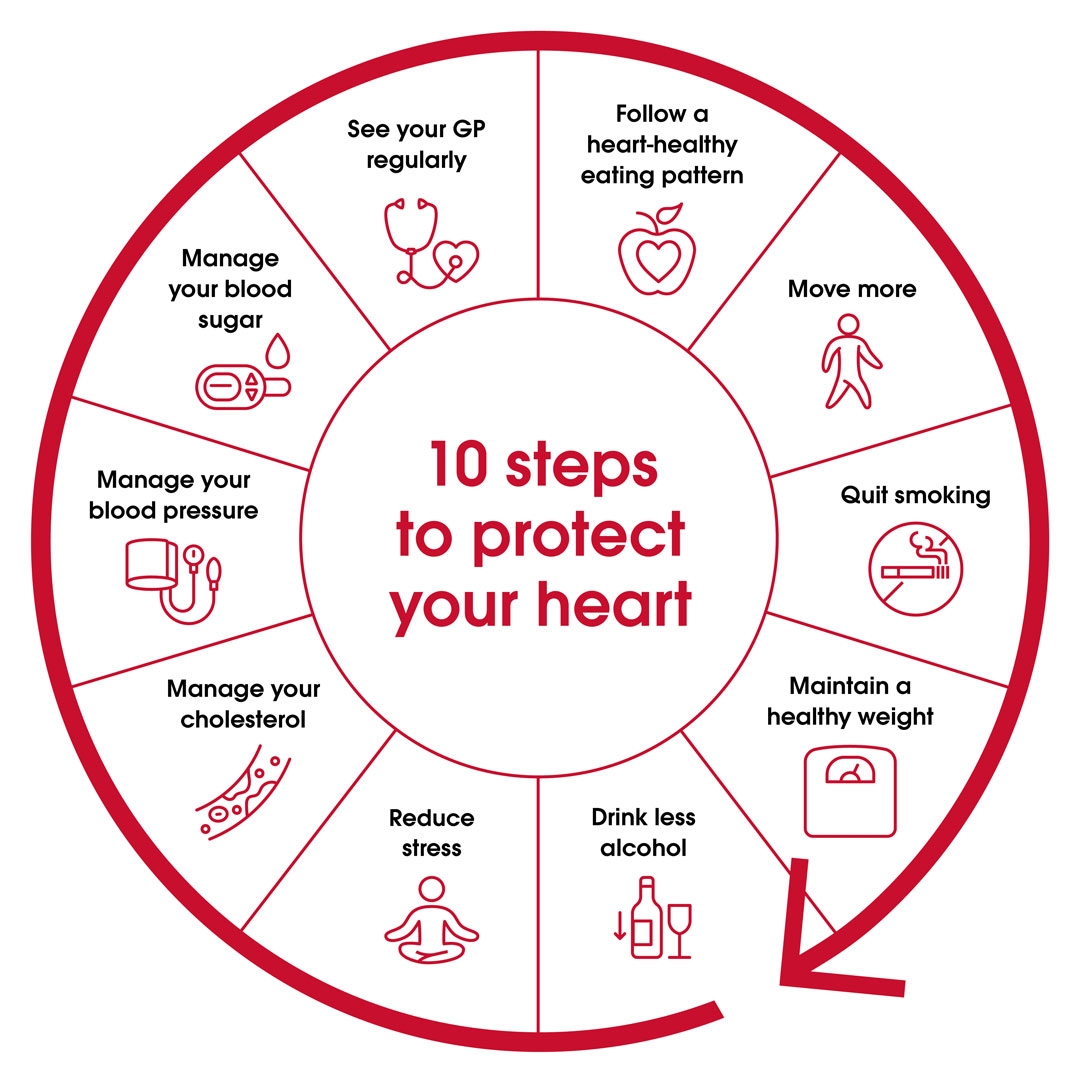
Health conditions that can increase your chances of heart disease
Some health conditions can affect how hard your heart has to work. With the right care and support, many of these can be managed.

High blood pressure: when it is harder for your heart to pump blood around your body

High cholesterol: when there’s too much fat in your blood

Diabetes: when your body doesn’t react to sugar properly.

Mental health and social and emotional wellbeing: if you are feeling very sad, stressed, or worried for a long time
Things you can’t change that can affect your heart
Things like getting older or having a family history of heart disease are part of who you are. Other things that you may not be able to change could be:
If people in your family have had heart problems
Your culture or where your family comes from
Women’s health – things like pregnancy and menopause can affect the heart.
Your home, job, and daily life can also impact your heart health
Lifestyle reasons that can affect how your heart works
There are everyday things that can make it harder to keep your heart strong. These are often linked to where we live, where we are in life and the support and choices available to us. Knowing what affects your heart can helps you take steps to stay strong and healthy. Some of the everyday reasons could be:
Not moving enough - people who aren’t active enough have a higher risk of developing heart disease, Type 2 diabetes and other health problems.
Eating unhealthy food/limited access to healthy choices - what you eat and how much can affect things like your blood pressure, cholesterol, diabetes and weight – all of which can affect your heart.
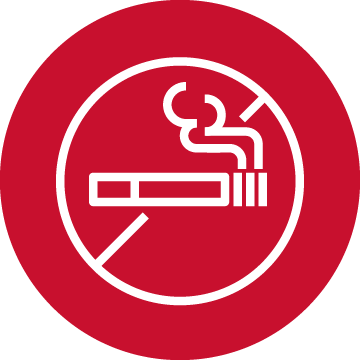
Smoking tobacco/cigarettes - smoking damages blood vessels and reduces oxygen in your blood. This can increase the chances of heart attack or stroke.
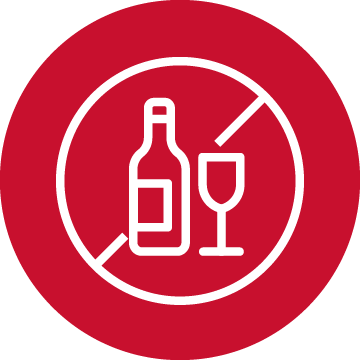
Drinking too much alcohol – over time, drinking too much alcohol can increase blood pressure, weaken the heart, and increase fats in the blood.
Support is available
Looking after your heart is not something you have to do on your own. Support is available, and you can choose what works for you. You can also ask the clinic about other heart health support they can offer.
Heart health check
If you identify as a First Nations person, you can visit a clinic for a health check with a doctor, nurse, or Aboriginal health worker. During a health check, they can yarn with you about your heart health and check things like blood pressure, blood sugar, cholesterol, and body weight. They can also offer support to stop smoking and help you stay strong and healthy.
This is sometimes called a 715 Health Check. It is a free health check for First Nations people. Check out the Get a Heart Check (715 Health Check) animation to learn more about what happens during a health or heart check.
Heart Age Calculator
Calculate your heart age compared to your actual age
To better understand your risk, you can try the Heart Foundation's Heart Age Calculator.
This calculator is for people aged 35–75.
If your heart age is older than your actual age, or you are concerned about your heart health, visit your doctor or health service for a health check.
You might also be interested in...

What is acute rheumatic fever (ARF) and rheumatic heart disease (RHD)?
Rheumatic heart disease is a serious disease that causes damage to your heart valves.

Blood pressure and your heart
Learn how blood pressure affects your heart health. Find out what high blood pressure means, how to measure it, and ways to keep it under control.
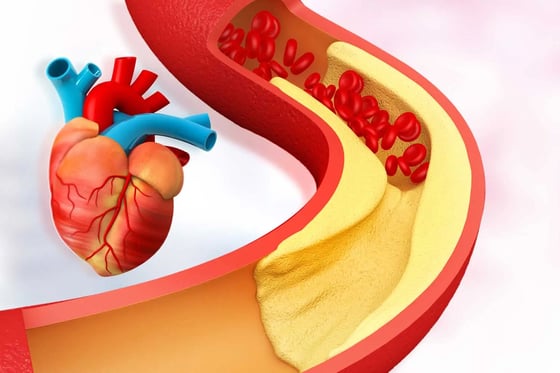
Blood cholesterol
Learn how blood cholesterol affects your heart, the risks of high cholesterol, and how to manage your levels with diet, exercise, and medication.
Last updated25 March 2026