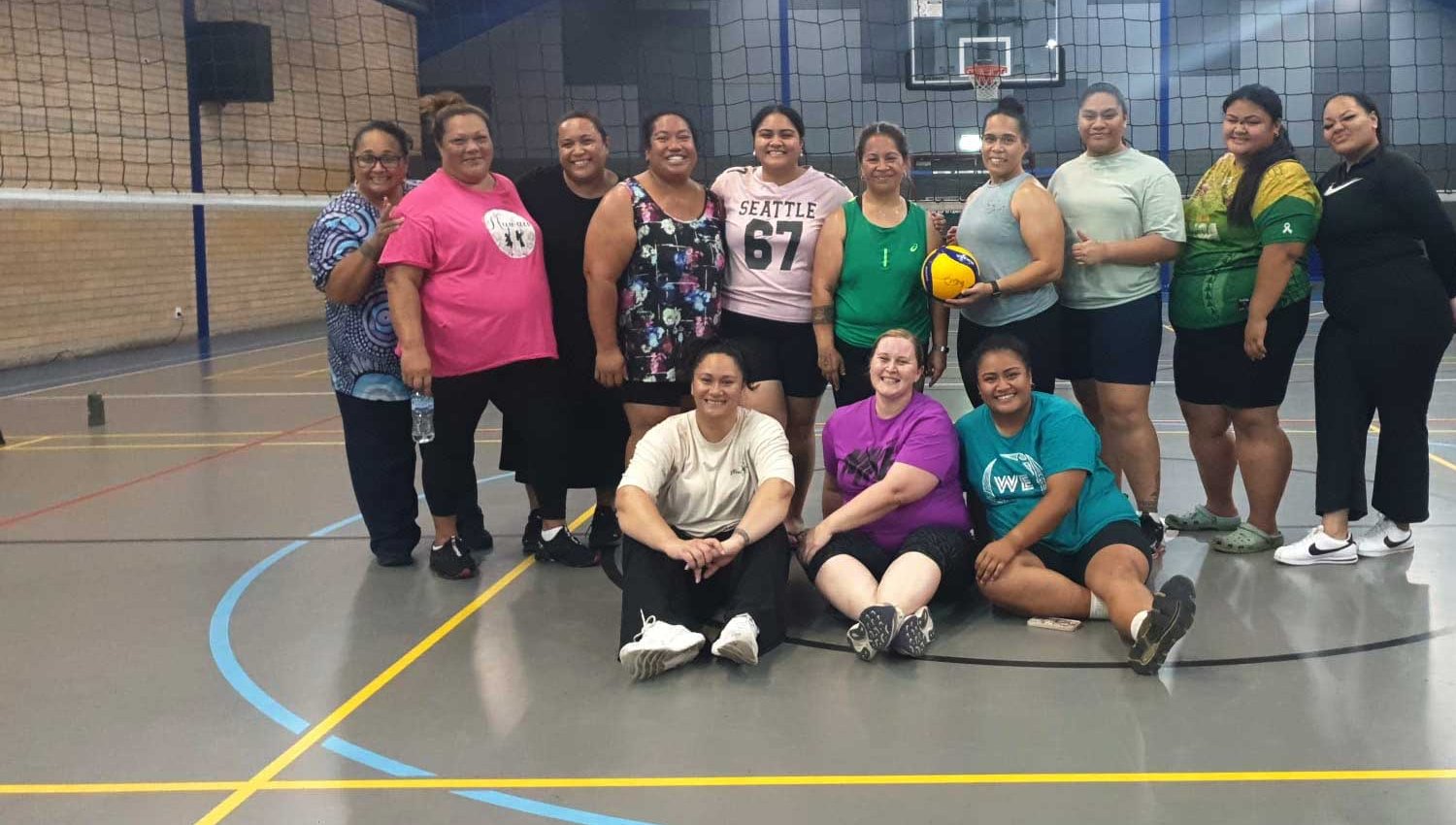
Pasifika moving
Co-designed physical activity with and for Pasifika mothers in Western Sydney
Background and rationale
Pasifika Moving is a culturally inclusive physical activity program created with Pasifika communities living in and around Mount Druitt (Western Sydney). Grounded in the human-rights and social justice lens that the opportunity to be active should be available to everyone, the initiative responds to well-documented health inequities affecting Pasifika communities, including higher rates of cardiovascular disease and diabetes.
The program was co-designed through a partnership between the University of Technology Sydney (UTS) School of Sport, Exercise and Rehabilitation; Western Sydney Local Health District (Pasifika health worker) and social enterprise Collective Leisure, with support from the Pacific Island Mt Druitt Action Network, and community leaders. A 10-member advisory group of Pasifika health and community representatives provided stewardship and cultural guidance.
Co-design began with talanoa – a Pasifika method of open, collective dialogue that emphasises storytelling, reciprocity, and trust-building, and is led by community members. Eighteen community members participated in these sessions, which surfaced practical and cultural enablers including childcare as essential; programs led by Pasifika instructors; local affordable, accessible and familiar venues; flexible and diverse activity formats (walking, circuits, dance); and an emphasis on connection, education and holistic wellbeing. Mothers were identified as key agents of change in family and community life. The process and outcomes of the co-design were published in Health Promotion International Journal.1
A 12-week pilot followed at Emerton Youth Centre (supported by Blacktown City Council), with on-site childminding provided through a partnership with Wesley Mission. The target group was Pasifika women – particularly mothers and carers – with program design explicitly addressing time, cultural safety, and caring responsibilities as barriers to participation. Sessions opened with prayer, offered varied physical activities led by a Pasifika instructor, included short, informal education on the benefits of being active, and closed with healthy snacks and social time.
Impact focus: access and quality of services, inclusion and belonging.
Primary beneficiaries: women, carers, Pasifika families in Western Sydney.
Outcomes and impact
The pilot demonstrated that this culturally safe, community-led and co-designed physical activity group increased participation and engagement among Pasifika mothers. The following preliminary themes are currently being evaluated by a Master of Clinical Psychology student, Kim Wuyts, under the supervision of Dr Oscar Lederman at the University of Technology Sydney (UTS). With permission from participants, we have provided selected participant quotes to illustrate early findings.
Improved health and energy
Women described feeling stronger, fitter, and more motivated in their daily lives, with many re-engaging in exercise after years away.
Like me, I used to be sporty back in the day. But now it’s just reignited something in myself … I’m trying to get my running back.
Confidence and body acceptance
The program provided a safe, inclusive environment where women could feel proud of their progress and comfortable in their bodies.
It’s actually made me feel more comfortable now wearing certain clothes, like wearing tights. Whereas before I wouldn’t … now it’s motivating me. My mindset as well.
Connection, joy, and cultural belonging
Sessions created a sense of sisterhood, laughter, and cultural pride, with women describing the group as ‘like family.’
The community that we have gained with these ladies is phenomenal. We laugh … we yell … everything that is joyful, that group gives it to me.
Mothers as agents of change
Women recognised their powerful role as role models, influencing children, partners, and extended family towards healthier choices.
Thank you for bringing this program forward … it will trigger through to our kids and next generation. If we do, they will.
Since completion of the 12-week pilot, partner organisations have stepped up to provide further funding and support to ensure the program has continued beyond the pilot period. This has allowed participants to continue Pasifika Moving and enabled new members to join.
Evaluation is ongoing with planned indicators including session attendance and retention, qualitative accounts of inclusion and social connection, and measures of implementation fidelity. Co-benefits anticipated include reduced social isolation, stronger community networks, and practical insights for local health services and councils to commission culturally responsive activity programs at scale.
Investment and funding
The pilot was resourced through UTS Social Impact Grants. Ongoing funding to continue the program after the pilot phase was generously provided through partner contributions (venue access via Blacktown City Council; childminding via Wesley Mission; recruitment and delivery support via Western Sydney Local Health District, Collective Leisure, and community networks). Academic coordination was provided by UTS. While detailed costings are in development, the model suggests a low-cost, high-reach approach when local facilities, bicultural workforce, and existing community services are aligned – with potential downstream savings from increased activity and reduced social isolation.
Enablers and lessons learned
What worked:
- Co-design and talanoa built trust, surfaced cultural insights, and ensured community ownership.
- Culturally safe delivery (Pasifika instructors, prayer, shared food) increased comfort and belonging.
- Childcare and local venues directly addressed time and access barriers for mothers and carers.
- Shared governance through a Pasifika-led advisory group ensured accountability and relevance.
- Engaging Pasifika leaders as co-researchers at all stages of the research.
Challenges and responses:
- Competing caring and work demands were mitigated by scheduling, childcare, and flexible session formats.
- Sustainability requires ongoing commissioning (e.g. Local Health Districts/Primary Health Networks, council partnerships) and bicultural workforce pathways (training, paid roles, mentoring). Advocacy for continued funding is ongoing.
Recommendations for scale:
- Embed co-design from the outset.
- Fund childcare as core, not optional.
- Recruit and pay bicultural facilitators.
- Leverage council facilities.
- Integrate short health education segments.
- Integrate student placements to build a culturally responsive workforce and commission through local health and community services with clear monitoring of participation, inclusion, and wellbeing outcomes.
Further Information
References
- Lederman O, Moors-Mailei A, Peacock Y, et al. Developing a co-designed, culturally responsive physical activity program for Pasifika communities in Western Sydney, Australia. Health Promotion International. 2025;40(1):daae197. https://doi.org/10.1093/heapro/daae197
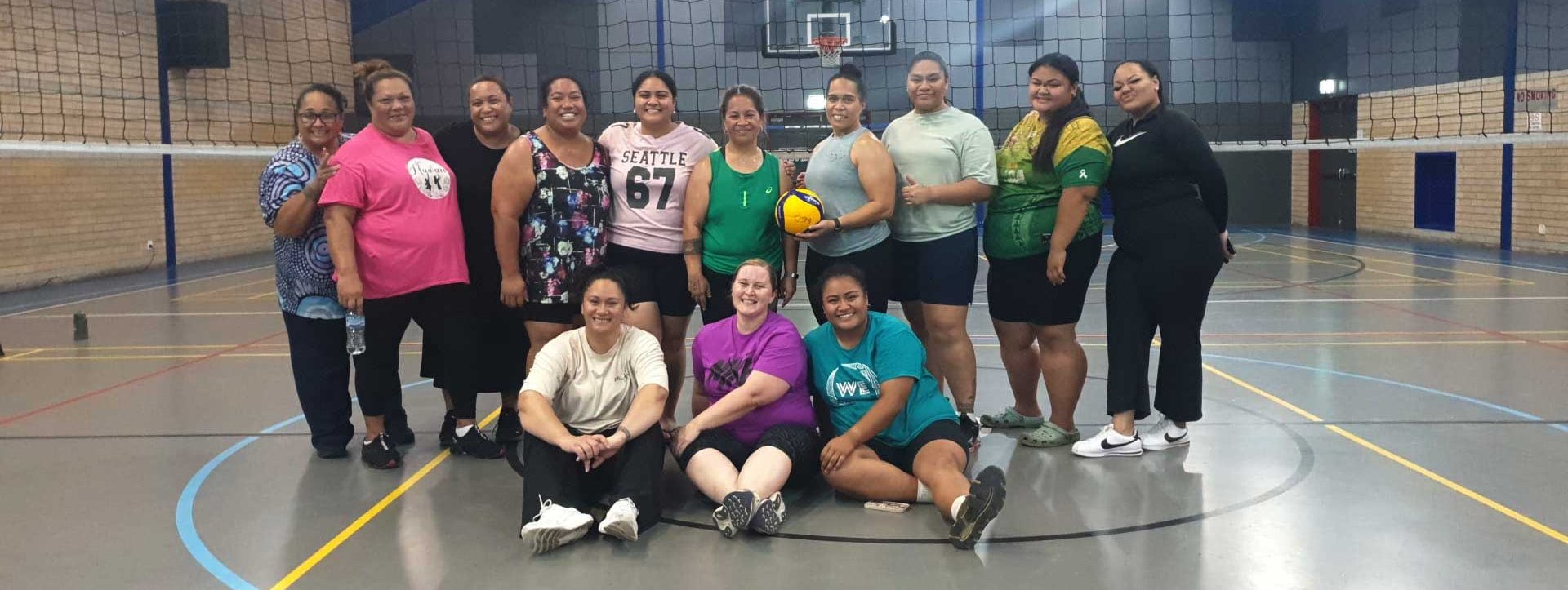
Photo credit: Yvonne Peacock - program lead, Pasifika Moving and Heart Foundation's Senior Advisor Physical Activity, Elizabeth Calleja, featured with Pasifika Moving participants. April 2026
Last updated21 October 2026