
Get the Blueprint
Blueprint 4th edition (PDF or Print) - Register your interest

Blueprint for an Active Australia
Action area 8: Education and childcare
Authors: Jo Salmon, Hayley Christian, Lisa M Barnett, Jordan Smith, Rachel Jones, Nicola D Ridgers, Louisa Peralta, Simone Verswijveren, Lauren Arundell, Emiliano Mazzoli, David R Lubans, Andrew J Woods, Narelle Eather.
Key messages
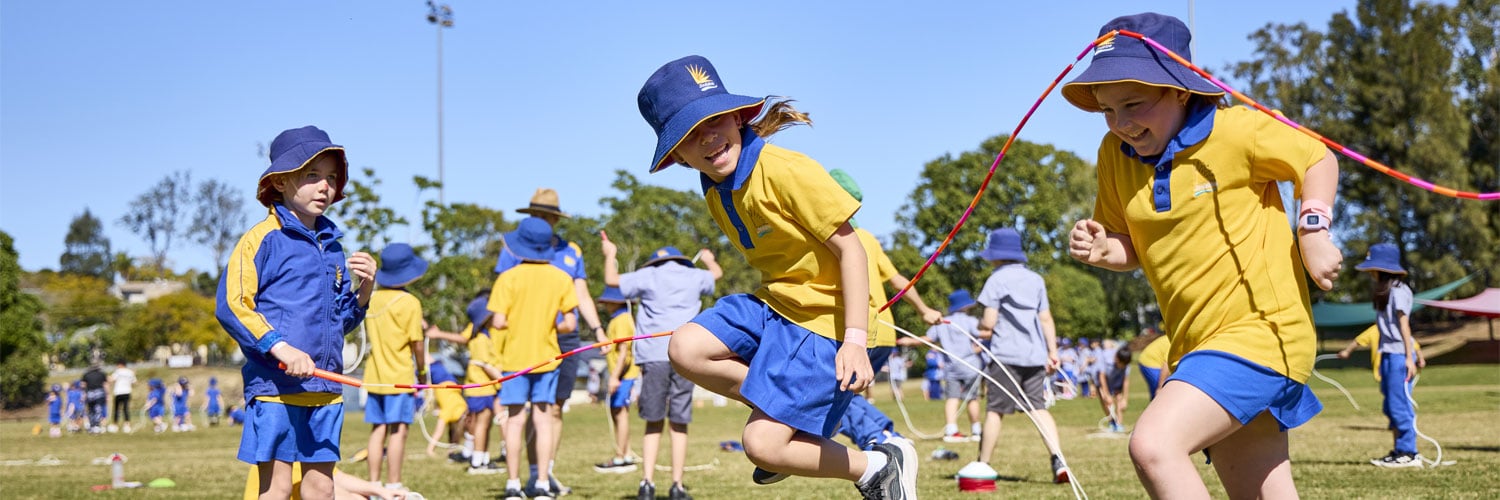
Education and childcare settings provide opportunities to support and improve physical activity participation. As most children and young people spend significant time in education settings, interventions in these settings can have broad reach. They can improve physical activity, physical literacy, and health as well as educational attainment. Several effective early childhood education and childcare settings (ECEC), school- and university-based policies, programs and interventions have been developed, and programs are being scaled up within Australia. However, more should be done to further support increased participation in physical activity.
Strategic priorities
Key strategic priorities that could make impactful change for the future:
- Integrate lifelong physical activity into all education settings – from early childhood to tertiary education, ensuring equity, inclusivity and wellbeing benefits.
- Equip educators and institutions to lead change – by embedding physical activity into teaching practice, policies and monitoring systems that link health, learning and community. This should include monitoring and evaluation to refine training and strategies.
Sustainable Development Goals
The United Nations Sustainable Development Goals1 that support physical activity in education and childcare include:


For more information see Appendix 1
Why is physical activity in education and childcare settings important?
Education settings provide clear opportunities to influence change in physical activity from a policy and implementation perspective. Within these settings physical activity may be incorporated through curriculum,2-5 non-curriculum (e.g. recess and lunch breaks in school),5,6 policy, and environmental strategies.5,6 These settings also provide unique opportunities for state and territory and/or federal policy alignment between education, sport and recreation, and health.
Consider the case for change:
- Almost all children and young people spend significant time in education settings. Half of all Australian children under 5 years old attend early childhood education and care (ECEC) services, with an average of 34 hours per week spent in centre-based care and 27 hours per week in family day care.7 Furthermore, 22% of children aged 5 to 12 years attend an outside school hours care (OSHC) service, for an average of 12 hours per week.7 In 2021, 1.8 million people in Australia were enrolled in vocational education, university or other higher education.8
- There are multiple benefits from supporting and promoting physical activity in education settings. These include improved physical activity levels2,9 and less time in sedentary behaviours including screen use;9 improved physical fitness;9-11 reduction in some cardiometabolic risk factors;12,13 better learning engagement, educational outcomes, on task behaviour, creativity, working memory, and language skills;2,14,15 better social and emotional learning;16,17 and better mental health and wellbeing.18-20 Physical activity can improve children’s and adolescents’ sleep,21,22 and adequate duration and good quality sleep may also improve academic performance.23
- There are significant opportunities across all education settings to promote physical activity and reduce sedentary behaviour. In ECEC settings, physical activity is encouraged throughout the day (both inside and outside) however, young children spend more than 40–50% of their time being sedentary in these settings.24 In primary school, up to 40% of overall daily activity is accumulated during recess and lunch breaks.25 However, primary and secondary school settings also support high levels of sedentary behaviour, with an average of 63% of the day spent sitting.26 Tertiary education also involves long periods of sedentary behaviour, with university students spending an average of approximately 7.3 hours per day sitting.27 Physical activity may also be effectively promoted in university settings.28
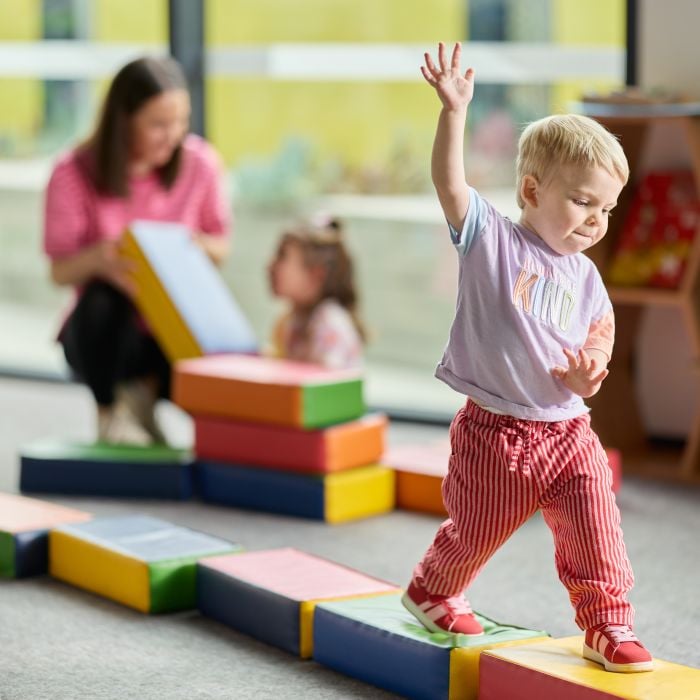
- Education settings provide important opportunities to increase children’s physical literacy. This includes important opportunities for improving young children’s confidence, competence, knowledge, and motivation to be active.29 Development of physical literacy starts in these settings when children are very young and may continue with compulsory schooling until young adulthood. Physical literacy can be further enhanced within tertiary education settings.30
- Use of technology to support teaching and learning should be balanced with risks to academic outcomes, distractibility and disruption. Technology can be an education tool for teachers, but it should only be used to support learning and wellbeing outcomes.31 Non-school-based screen time is related to lower levels of physical activity in youth,32 and screen time during school hours directly affects learning and other outcomes. For example, when students do not have access to their mobile phone during school hours there can be improved learning (particularly amongst low achieving and socio-economically disadvantaged students), health and safety, and social interaction outcomes, and less (cyber)bullying, (particularly amongst adolescents, 12–17 years).33,34 The requirement for screen-based homework is linked to greater recreational screen use outside of school hours, reducing opportunities for health enhancing behaviours.35 Evidence also demonstrates the impact of technology on the health and wellbeing of university students, with mobile phone use related to higher levels of anxiety.36
What is working well for physical activity in education settings?
Policies, programs and interventions that support physical activity have been implemented within education and childcare settings, with some evidence of scale‑up. There are physical education mandates in schools and ECEC have a national curriculum and quality framework. Within schools, recess and lunch breaks have been retained and provide opportunities to be active, while some schools have banned mobile phones to support greater engagement in physical activity. The following points document what is working well.
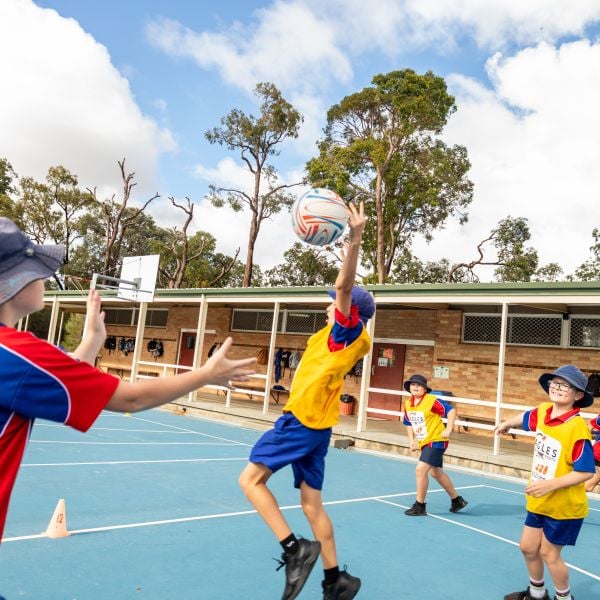
- Several effective ECEC, OSHC, school- and university- based physical activity interventions have been developed in Australia.37-43 Some interventions have been or are being implemented at-scale44-49 and among students with additional education needs.50,51 Case studies on Play Active and the ACHPER Australia National Position Statement: The importance of school recess for active play outline examples of effective implementation of these recommendations.52
- Physical Education (PE) mandates, national curriculum for ECEC and quality standards. There are long-term PE policy targets in many Australian states and territories from the start of school through to Year 10.53
- Retention of recess periods and lunch breaks. Intentionally scheduled breaks within the school day (e.g. recess, lunchtime) allow students to engage in discretionary activities and free play. Benefits from these breaks include increased concentration and academic performance, development of regulatory skills and improved physical, social and emotional health.54
- Improving physical literacy through Sporting Schools. The Sporting Schools program55 has been funded by the federal government since 2015. The program provides children in primary schools, special education schools and in Years 7 and 8 the opportunity to try a range of different sports for free before, during or after school hours across a school term.
- National Quality Standards to promote and support children’s physical activity in ECEC. The Australian National Quality Framework for ECEC outlines minimum standards across seven quality areas, including Quality Area 2.1 which states ‘Each child’s health and physical activity is supported and promoted’.56 There is still a need for additional guidance, resources or training, which are available from the regulatory body (Australian Children’s Education & Care Quality Authority) to enable services to meet or exceed in this standard. The Play Active program aims to address this gap for physical activity in ECEC services (see case studies).
- Ban use of mobile phones in school settings to improve engagement, reduce sedentary behaviour and improve wellbeing. Since 2020, the Victorian Government has enforced a strict policy requiring all mobile phones brought to Victorian government schools to be turned off and stored in secure lockers from the start of the school day until the final bell. This ban applies to all primary and secondary school students, and aims to reduce distractions, combat cyberbullying, and increase social interaction.57 This policy is being extended to include the use of wearables (e.g. smart watches) and wireless earbuds as a requirement for all Victorian schools from Term 1, 2027.58 Other states and territories as well as non-government schools have also implemented mobile phone bans for students.59-61
Case studies
The following case studies show how evidence-based policies, programs and interventions in education and childcare settings are being applied in practice to support children and young people to be more active.

Active schools Victoria
Active Schools Victoria helps schools increase equitable physical activity and physical literacy through funding and expert support.
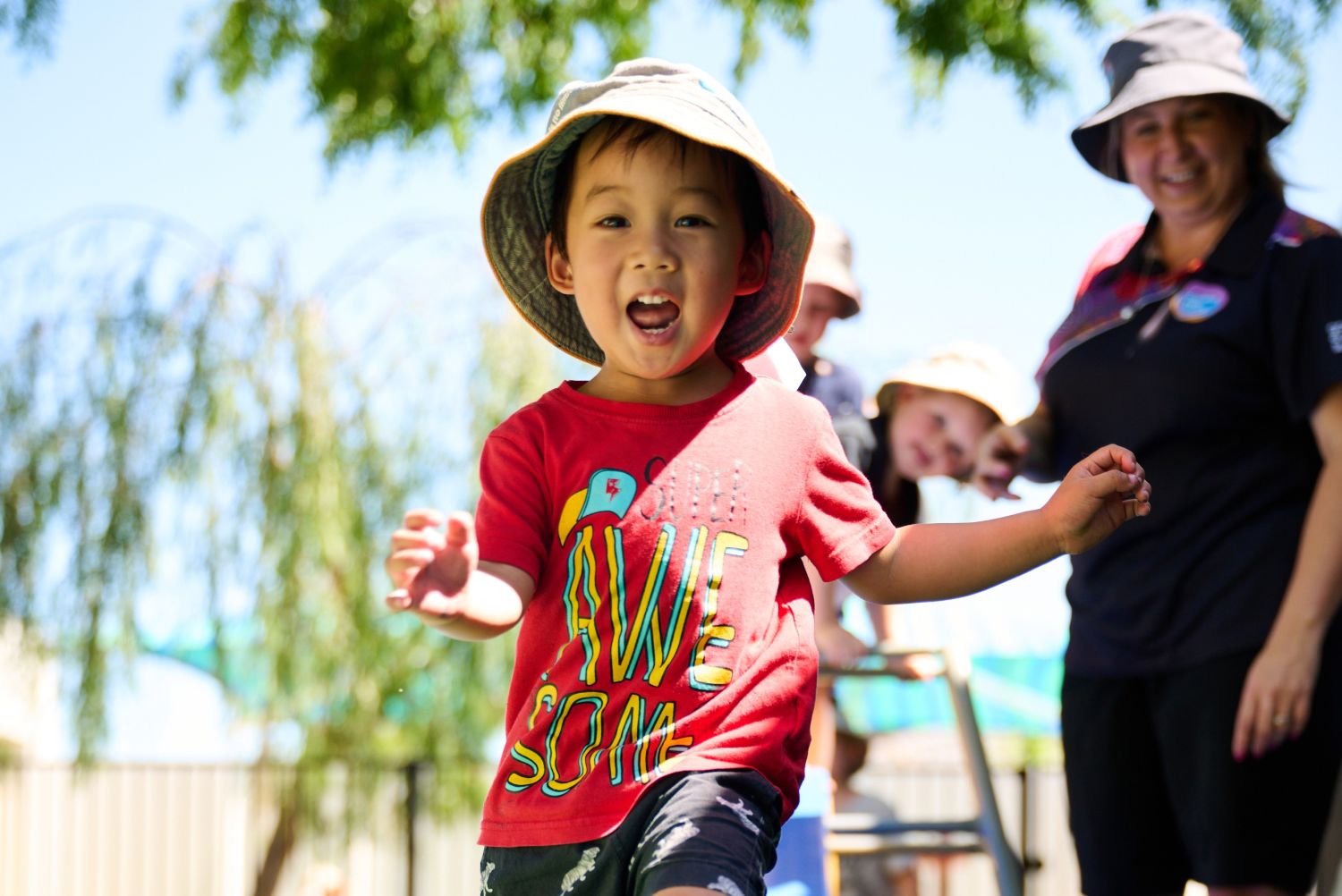
Play Active program for early childhood education and care
Provides evidence‑based policy, tools and training to help educators increase young children’s physical activity and embedding healthy movement habits early.
What must be done to increase physical activity in education settings?
Though a variety of policies, programs and interventions have been applied to education and childcare settings, there is an ongoing need for further support to improve physical activity. The following evidence-based strategies and approaches are recommended to support physical activity within education and childcare settings. They build on the evidence presented in this action area, including research on the benefits of physical activity for learning, health and wellbeing, and evaluations of effective early childhood, school, outside school hours care and university interventions in Australia. Where published evidence is limited, recommendations reflect expert consensus.
Policy, practice and leadership
- Recommendations for federal, state and local government to shape school governance to better support physical activity:
- Create and implement a national physical activity guideline regarding the amount and type of mandated physical activity in primary, secondary and special schools.53
- Extend PE policy mandates into senior years (Years 11–12). Broaden state and territory school policies so that PE and/or organised physical activity are included throughout the final years of secondary schooling.53,62
- Implement physical literacy programs with emphasis on autonomy, social connection and lifelong physical activity skills, thereby supporting both mental health and academic achievement. Physical literacy builds children's confidence, competence and motivation to be active,29 and physical activity in education settings supports learning and mental health.2,14,15,18-20
- Implement a mandate nationwide for all schools to offer at least two free play opportunities during every school day (e.g. recess and lunchtime). Primary students accumulate up to 40% of their daily activity during these breaks,25 which also improve concentration, academic performance and physical, social and emotional health.54
- Support whole-of-school approaches nationally. Fund and scale evidence-based interventions that integrate physical activity across the school day, including PE, active lessons, active recess/lunch, active homework and before/after school opportunities. Effective Australian interventions have been developed37-43 and some are already being implemented at scale.44-49
- Promote energetic play and physical literacy and limit screen use in ECEC and OSHC. Young children spend 40–50% of their time in ECEC being sedentary.24 Expand support for inclusive interventions in ECEC and OSHC settings,50,51 building on the National Quality Framework,56 to ensure that children have energetic play opportunities throughout the day and build fundamental movement skills and confidence from the earliest years.
- Reform school uniform policies.63,64 Allow daily wear of flexible, gender-neutral sport uniforms (including footwear) to reduce barriers to participation – particularly for girls – while involving students in design and decision-making to enhance equity and participation.
- Position physical activity as a core component of education. Reframe physical activity as integral to wellbeing, learning, behaviour and cognitive outcomes, rather than an 'add-on'. Physical activity in education settings improves learning engagement, educational outcomes, on-task behaviour and social and emotional learning.2,14-17
- Promote multi-sector collaboration. Strengthen partnerships between schools, ECEC, tertiary institutions, sport and recreation clubs, local government and planning/transport agencies to create broader ecosystems of activity.65
Workforce
Recommendations for workforce development:
- Support active learning in tertiary education. University students sit for around 7.3 hours a day, and physical activity can be effectively promoted in university settings.27,28 Provide programs and resources that help lecturers and tutors/instructors to integrate movement and activity breaks into classes.
- Build educator capacity at all levels. Strengthen in-service teacher professional learning in whole-of-school physical activity approaches and embed physical activity knowledge, skills and pedagogy into early childhood, primary and secondary teaching degrees.66,67 This will ensure the next generation of educators are equipped to promote active learning from the outset.
- Increase support for physical activity and wellness programs for teachers and facilitators. Enhance opportunities to support teachers’ physical and mental wellbeing, to reduce educator stress and teacher shortages nationally.20,68
Research, data and innovation
A review of the evidence for this action area identified the following priorities for investment in research, data and innovation.
- Integrate national monitoring systems. Develop an education-sector-wide approach to track physical activity, physical literacy and compliance with policy requirements (e.g. PE mandates, movement guidelines, screen time recommendations).
- Embed ongoing evaluation of workforce education and training to enhance physical activity participation in students, and to monitor progress of educator training to enable refinement of programs and strategies.
- Embrace digital technology as a physical activity support tool within the teaching environment. Use standardised instruments (e.g. body movement sensors, apps and online self-report tools) across ECEC, schools and tertiary education to monitor, promote and personalise physical activity engagement.28
- Fill evidence gaps on:
- the effectiveness of physical activity programs for Aboriginal and Torres Strait Islander, and culturally and linguistically diverse (CALD) children and youth, as well as those with disability or additional needs.
- the impact of integrated 24-hour movement approaches in early childhood
- physical activity interventions in tertiary education settings
- the effectiveness of teacher wellness and physical activity programs on stress and workforce shortages
- best-practice implementation models across education settings
- patterns of activity in high-density ‘vertical schools’ with limited green space.
- Identify models of sustainment at scale for evidence-based ECEC, OSHC and whole of school physical activity interventions.
References
1. United Nations. Sustainable Development Goals. Accessed 6 July 2026. https://sdgs.un.org/goals
2. Norris E, van Steen T, Direito A, Stamatakis E. Physically active lessons in schools and their impact on physical activity, educational, health and cognition outcomes: a systematic review and meta-analysis. Br J Sports Med. 2020;54(14):826. doi:10.1136/bjsports-2018-100502
3. Australian Curriculum, Assessment and Reporting Authority. Understand the learning area – Health and Physical Education. 2026. Accessed 23 March 2026. https://www.australiancurriculum.edu.au/curriculum-information/understand-this-learning-area/health-and-physical-education
4. Lander NJ, Contardo Ayala AM, Mazzoli E, Lai SK, Orr J, Salmon J. Beyond “Brain Breaks”: a new model for integrating classroom-based active breaks. J Phys Educ Recreat Dance. 2024;95(4):22–30. doi:10.1080/07303084.2024.2308253
5. Daly-Smith A, Morris JL, Norris E, et al. Behaviours that prompt primary school teachers to adopt and implement physically active learning: a meta synthesis of qualitative evidence. Int J Behav Nutr Phys Act. 2021;18(1):151. doi:10.1186/s12966-021-01221-9
6. Messing S, Rütten A, Abu-Omar K, et al. How can physical activity be promoted among children and adolescents? A systematic review of reviews across settings. Front Public Health. 2019;7:55. doi:10.3389/fpubh.2019.00055
7. Australian Government, Department of Education. Child care subsidy data report – September quarter 2025. 2025. Accessed 20 March 2026. https://www.education.gov.au/early-childhood/about/data-and-reports/quarterly-reports/september-quarter-2025
8. Australian Bureau of Statistics. Education and training: Census (2021). 2022. Accessed 16 October 2025. https://www.abs.gov.au/statistics/people/education/education-and-training-census/2021
9. Cornett K, Murfay K, Fulton JE. Physical activity interventions during the school day: reviewing policies, practices, and benefits. J Sch Health. 2023;93(9):778–787. doi:10.1111/josh.13371
10. Hartwig TB, Sanders T, Vasconcellos D, et al. School-based interventions modestly increase physical activity and cardiorespiratory fitness but are least effective for youth who need them most: an individual participant pooled analysis of 20 controlled trials. Br J Sports Med. 2021;55(13):721. doi:10.1136/bjsports-2020-102740
11. Poitras VJ, Gray CE, Borghese MM, et al. Systematic review of the relationships between objectively measured physical activity and health indicators in school-aged children and youth. Appl Physiol Nutr Metab. 2016;41(6 )(suppl 3):S197–S239. doi:10.1139/apnm-2015-0663
12. Pozuelo-Carrascosa DP, Cavero-Redondo I, Herráiz-Adillo Á, Díez-Fernández A, Sánchez-López M, Martínez-Vizcaíno V. School-based exercise programs and cardiometabolic risk factors: a meta-analysis. Pediatrics. 2018;142(5):e20181033. doi:10.1542/peds.2018-1033
13. Mao D, Li B. Evaluating the role of school-based physical activity in mitigating cardiometabolic risk factors in children and adolescents with overweight or obesity: a systematic review and meta-analysis. Children. 2025;12(4):439. doi:10.3390/children12040439
14. Vasilopoulos F, Jeffrey H, Wu Y, Dumontheil I. Multi-level meta-analysis of physical activity interventions during childhood: effects of physical activity on cognition and academic achievement. Educ Psychol Rev. 2023;35(2):59. doi:10.1007/s10648-023-09760-2
15. Haverkamp BF, Wiersma R, Vertessen K, van Ewijk H, Oosterlaan J, Hartman E. Effects of physical activity interventions on cognitive outcomes and academic performance in adolescents and young adults: a meta-analysis. J Sports Sci. 2020;38(23):2637–2660. doi:10.1080/02640414.2020.1794763
16. Moon J, Webster CA, Mulvey KL, et al. Physical activity interventions to increase children’s social and emotional learning: a systematic review and meta-analysis based on the comprehensive school physical activity programme framework. Rev Educ. 2024;12(1):e3455. doi:10.1002/rev3.3455
17. Jackson D, Prochnow T, Ettekal AV. Programs promoting physical activity and social-emotional learning for adolescents: a systematic literature review. J Sch Health. 2024;94(10):994–1004. doi:10.1111/josh.13486
18. Vella SA, Sutcliffe JT, Fernandez D, et al. Context matters: a review of reviews examining the effects of contextual factors in physical activity interventions on mental health and wellbeing. Ment Health Phys Act. 2023;25:100520. doi:10.1016/j.mhpa.2023.100520
19. Andermo S, Hallgren M, Nguyen T-T-D, et al. School-related physical activity interventions and mental health among children: a systematic review and meta-analysis. Sports Med Open. 2020;6(1):25. doi:10.1186/s40798-020-00254-x
20. Avola P, Soini-Ikonen T, Jyrkiäinen A, Pentikäinen V. Interventions to teacher well-being and burnout a scoping review. Educ Psychol Rev. 2025;37(1):11. doi:10.1007/s10648-025-09986-2
21. Song H, Jiang X, Li Y, et al. Effects of physical activity on sleep in children and adolescents: a systematic review and meta-analysis of randomised controlled trials. Eur Child Adolesc Psychiatry. 2026;35(2):397–411. doi:10.1007/s00787-025-02892-6
22. Costa JA, Vale S, Cordovil R, et al. A school-based physical activity intervention in primary school: effects on physical activity, sleep, aerobic fitness, and motor competence. Front Public Health. 2024;12. doi:10.3389/fpubh.2024.1365782
23. Gomez Fonseca A, Genzel L. Sleep and academic performance: considering amount, quality and timing. Curr Opin Behav Sci. 2020;33:65–71. doi:10.1016/j.cobeha.2019.12.008
24. Trost SG, Schipperijn J, Nathan A, et al. Population-referenced percentiles for total movement and energetic play at early childhood education and care. J Sci Med Sport. 2024;27(12):856–862. doi:10.1016/j.jsams.2024.07.020
25. Ridgers ND, Timperio A, Crawford D, Salmon J. Five-year changes in school recess and lunchtime and the contribution to children's daily physical activity. Br J Sports Med. 2012;46(10):741–746. doi:10.1136/bjsm.2011.084921
26. Egan CA, Webster CA, Beets MW, et al. Sedentary time and behavior during school: a systematic review and meta-analysis. Am J Health Educ. 2019;50(5):283–290. doi:10.1080/19325037.2019.1642814
27. Castro O, Bennie J, Vergeer I, Bosselut G, Biddle SJH. How sedentary are university students? A systematic review and meta-analysis. Prev Sci. 2020;21(3):332–343. doi:10.1007/s11121-020-01093-8
28. Sultoni K, Peralta L, Cotton W. Technology-supported university courses for increasing university students’ physical activity levels: a systematic review and set of design principles for future practice. Int J Environ Res Public Health. 2021;18(11):5947. doi:10.3390/ijerph18115947
29. Jerebine A, Arundell L, Watson-Mackie K, et al. Effects of holistically conceptualised school-based interventions on children’s physical literacy, physical activity, and other outcomes: a systematic review. Sports Med Open. 2024;10(1):105. doi:10.1186/s40798-024-00766-w
30. Kwan MY, Graham JD, Bedard C, Bremer E, Healey C, Cairney J. Examining the effectiveness of a pilot physical literacy–based intervention targeting first-year university students: the PLUS program. Sage Open. 2019;9(2):2158244019850248. doi:10.1177/2158244019850248
31. Victorian Government. Digital learning. 2026. Accessed 15 June 2026. https://www2.education.vic.gov.au/pal/digital-learning/policy
32. Zablotsky B, Ng A, Black L, et al. Associations between screen time use and health outcomes among US teenagers. Prev Chronic Dis. 2025;22:240537. doi:10.5888/pcd22.240537
33. Bar E, Radunz M, Galanis CR, Quinney B, Wade TD, King DL. Student perspectives on banning mobile phones in South Australian secondary schools: a large-scale qualitative analysis. Comput Human Behav. 2025;167:108603. doi:10.1016/j.chb.2025.108603
34. Campbell M, Edwards EJ, Pennell D, et al. Evidence for and against banning mobile phones in schools: a scoping review. J Psychol Couns Sch. 2024;34(3):242–265. doi:10.1177/20556365241270394
35. Arundell L, Parker K, Timperio A, Salmon J, Veitch J. Home-based screen time behaviors amongst youth and their parents: familial typologies and their modifiable correlates. BMC Public Health. 2020;20(1):1492. doi:10.1186/s12889-020-09581-w
36. Lepp A, Barkley JE, Karpinski AC. The relationship between cell phone use, academic performance, anxiety, and Satisfaction with Life in college students. Comput Human Behav. 2014;31:343–350. doi:10.1016/j.chb.2013.10.049
37. Eather N, Riley N, Miller A, et al. Efficacy and feasibility of HIIT training for university students: The Uni-HIIT RCT. J Sci Med Sport. 2019;22(5):596–601. doi:10.1016/j.jsams.2018.11.016
38. Telford RM, Olive LS, Telford RD. A peer coach intervention in childcare centres enhances early childhood physical activity: The Active Early Learning (AEL) cluster randomised controlled trial. Int J Behav Nutr Phys Act. 2021;18(1):37. doi:10.1186/s12966-021-01101-2
39. Lonsdale C, Sanders T, Parker P, et al. Effect of a scalable school-based intervention on cardiorespiratory fitness in children: a cluster randomized clinical trial. JAMA Pediatr. 2021;175(7):680–688. doi:10.1001/jamapediatrics.2021.0417
40. Kennedy SG, Smith JJ, Estabrooks PA, et al. Evaluating the reach, effectiveness, adoption, implementation and maintenance of the Resistance Training for Teens program. Int J Behav Nutr Phys Act. 2021;18(1):122. doi:10.1186/s12966-021-01195-8
41. Veldman SLC, Jones RA, Stanley RM, et al. Promoting physical activity and executive functions among children: a cluster randomized controlled trial of an after-school program in Australia. J Phys Act Health. 2020;17(10):940–946. doi:10.1123/jpah.2019-0381
42. Salmon J, Arundell L, Cerin E, et al. Transform-Us! cluster RCT: 18-month and 30-month effects on children’s physical activity, sedentary time and cardiometabolic risk markers. Br J Sports Med. 2023;57(5):311–319. doi:10.1136/bjsports-2022-105825
43. Adams EK, Nathan A, Trost SG, et al. Play Active physical activity policy intervention and implementation support in early childhood education and care: results from a pragmatic cluster randomised trial. Int J Behav Nutr Phys Act. 2023;20(1):46. doi:10.1186/s12966-023-01442-0
44. Lubans DR, Sanders T, Noetel M, et al. Scale-up of the Internet-based Professional Learning to help teachers promote Activity in Youth (iPLAY) intervention: a hybrid type 3 implementation-effectiveness trial. Int J Behav Nutr Phys Act. 2022;19(1):141. doi:10.1186/s12966-022-01371-4
45. Maher C, Christian H, Nathan N, et al. Improving physical activity and screen time in Australian outside school hours care: study protocol. Pediatr Res. 2025;97(5):1516–1521. doi:10.1038/s41390-024-03464-1
46. Koorts H, Timperio A, Lonsdale C, et al. Scaling up a school-based intervention to increase physical activity and reduce sedentary behaviour in children: protocol for the TransformUs hybrid effectiveness–implementation trial. BMJ Open. 2023;13(10):e078410. doi:10.1136/bmjopen-2023-078410
47. Mclaughlin M, Campbell E, Sutherland R, et al. Extent, type and reasons for adaptation and modification when scaling-up an effective physical activity program: Physical Activity 4 Everyone (PA4E1). Front Health Serv. 2021;1:719194. doi:10.3389/frhs.2021.719194
48. Christian H, Maher C, Trost SG, et al. Evaluating the scale-up of the Play Active programme for children’s physical activity in early childhood education and care services: a national type III hybrid effectiveness-implementation trial protocol. BMJ Open. 2025;15(10):e103968. doi:10.1136/bmjopen-2025-103968
49. Christian H, McLaughlin M, Nathan A, et al. Scalability and scaling-up strategy of a physical activity policy intervention in Australian childcare centres. Health Promot Int. 2025;40(5):daaf145. doi:10.1093/heapro/daaf145
50. Mazzoli E, Salmon J, Pesce C, et al. Effects of classroom-based active breaks on cognition, sitting and on-task behaviour in children with intellectual disability: a pilot study. J Intellect Disabil Res. 2021;65(5):464–488. doi:10.1111/jir.12826
51. Kable TJ, Leahy AA, Smith JJ, et al. Time-efficient physical activity intervention for older adolescents with disability: rationale and study protocol for the Burn 2 Learn adapted (B2La) cluster randomised controlled trial. BMJ Open. 2022;12(8):e065321. doi:10.1136/bmjopen-2022-065321
52. ACHPER Australia. National Position Statement: the Importance of School Recess for Active Play, Version 2. 2024. https://achper.org.au/resources/policy/
53. New South Wales Government, Department of Education. Sport and physical activity. 2026. Accessed 16 June 2026. https://education.nsw.gov.au/policy-library/policies/pd-2004-0034-11
54. Hodges VC, Centeio EE, Morgan CF. The benefits of school recess: a systematic review. J Sch Health. 2022;92(10):959–967. doi:10.1111/josh.13230
55. Australian Government, Australian Sports Commission. Sporting Schools. Accessed 16 October 2025. https://www.ausport.gov.au/schools
56. Australian Children’s Education & Care Quality Authority. Quality Area 2 – Children’s health and safety. Accessed 16 June 2026. https://www.acecqa.gov.au/nqf/national-quality-standard/quality-area-2-childrens-health-and-safety
57. Victorian Government. Mobile phones in schools. 2025. Accessed 10 March 2026. https://www.vic.gov.au/mobile-phones-schools
58. Premier of Victoria, Honorable Jacinta Allan MP. No more phones in non government schools. 2026. Accessed 16 June 2026. https://www.premier.vic.gov.au/no-more-phones-non-government-schools
59. Arnup J, Doery K, Edwards B. Mobile phone policies in Australian secondary schools: GENERATION data story #17. 2025. Accessed 16 June 2026. https://generationsurvey.org.au/data_story/mobile-phone-policies-in-australian-secondary-schools/
60. Government of Western Australia, Department of Education. Mobile phones. Accessed 16 June 2026. https://www.education.wa.edu.au/mobile-phones
61. Government of South Australia, Department of Education. Phone’s off while school’s on. Accessed 16 June 2026. https://www.education.sa.gov.au/mobile-phones
62. Kemp BJ, Parrish A-M, Batterham M, Cliff DP. Participation in domains of physical activity among Australian youth during the transition from childhood to adolescence: a longitudinal study. J Phys Act Health. 2020;17(3):278–286. doi:10.1123/jpah.2018-0705
63. Gardner C, Lane C, Hall A, et al. Exploring the impact of a daily sport uniform policy in primary schools: a qualitative study with students and teachers. Original Research. Front Sports Act Living. 2025;7. doi:10.3389/fspor.2025.1633045
64. Porter A, Cawley E, Chapman L, et al. A qualitative study in UK secondary schools exploring how PE uniform policies influence body image attitudes and PE engagement among adolescent girls. BMJ Open. 2025;15(7):e099312. doi:10.1136/bmjopen-2025-099312
65. World Health Organization. Promoting Physical Activity Through Schools: Policy Brief. 2022. https://www.who.int/publications/i/item/9789240049567
66. Lander NJ, Mazzoli E, Essiet IA, et al. Equipping future teachers with innovative strategies that increase physical activity in the classroom: a hybrid implementation trial across three Australian universities. Front Educ (Lausanne). 2023;8doi:10.3389/feduc.2023.1093234
67. Lander N, Patterson K, Eather N, et al. Observation of practical teaching skills instrument (OPTIn): transforming the way we observe, evaluate and improve physically active teaching strategies. Front Sports Act Living. 2026;8. doi:10.3389/fspor.2026.1748938
68. Corbett L, Bauman A, Peralta LR, Okely AD, Phongsavan P. Characteristics and effectiveness of physical activity, nutrition and/or sleep interventions to improve the mental well-being of teachers: A scoping review. Health Educ J. 2022;81(2):196–210. doi:10.1177/00178969211062701
Heart Foundation related information for education and childcare


Sport and active recreation
Healthcare