
Get the Blueprint
Blueprint 4th edition (PDF or Print) - Register your interest

Blueprint for an Active Australia
Action area 1: Children and young people
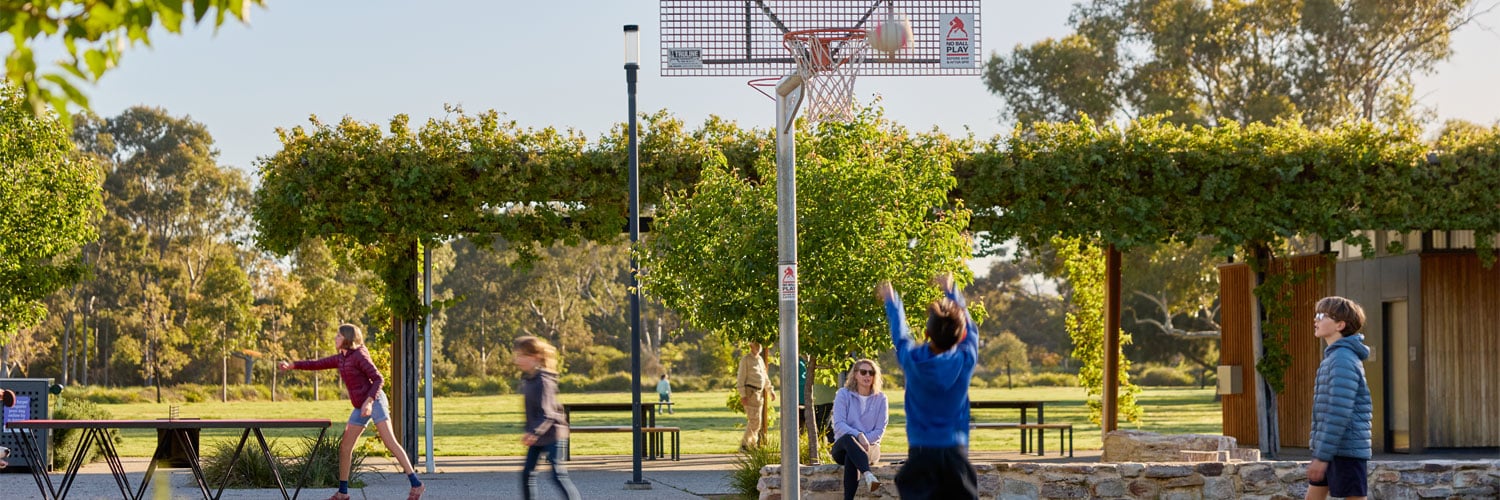
Authors: Lisa M Barnett, Jordan Smith, Lauren Arundell, Joseph Carrello, Kar Hau Chong, Dylan Cliff, Kylie Hesketh, Alethea Jerebine, Emiliano Mazzoli, Nicola D Ridgers, Anna Timperio.
Key messages
Physical activity is important to the health, development, and wellbeing of children and young people.1-4 Australia has clear age-specific evidence-based movement guidelines,1 yet only 18% of children and young people meet the recommended 60 minutes of moderate to vigorous intensity physical activity every day.5
Australia has a variety of policies and initiatives to support the physical activity of children and young people. These include a physical literacy framework, and a national physical activity report card which tracks young people’s physical activity and related indicators.6,7 There is also a growing recognition of the importance of active outdoor play.8,9
Whilst a variety of programs and initiatives meet the needs of children and young people across the country, more work needs to be done to improve physical activity among children and young people.
Strategic priorities
Key strategic priorities that can make impactful change for the future:
- Invest in safe, inclusive and child-friendly environments. Ensure children and young people of all abilities have access to green spaces, play facilities and safe neighbourhoods that support adventurous and socially engaging play.10,11
- Support families and communities as enablers of active play. Expand effective programs, education and opportunities that empower parents, caregivers and communities to encourage outdoor play, reduce unhealthy screen use and build active habits across childhood.12-15
Sustainable Development Goals
The United Nations Sustainable Development Goals16 that support children and youth to be active:
For more information see Appendix 1
Why is physical activity important for children and young people?
Physical activity is integral to the health, development, and wellbeing of children and young people.1-4 Those who meet the physical activity guidelines are more likely to experience wide-ranging health benefits. These include improved motor skills, physical fitness, body composition, musculoskeletal, cardiovascular and mental health, and psychological wellbeing, as well as improved cognitive function and academic outcomes.4,17-23
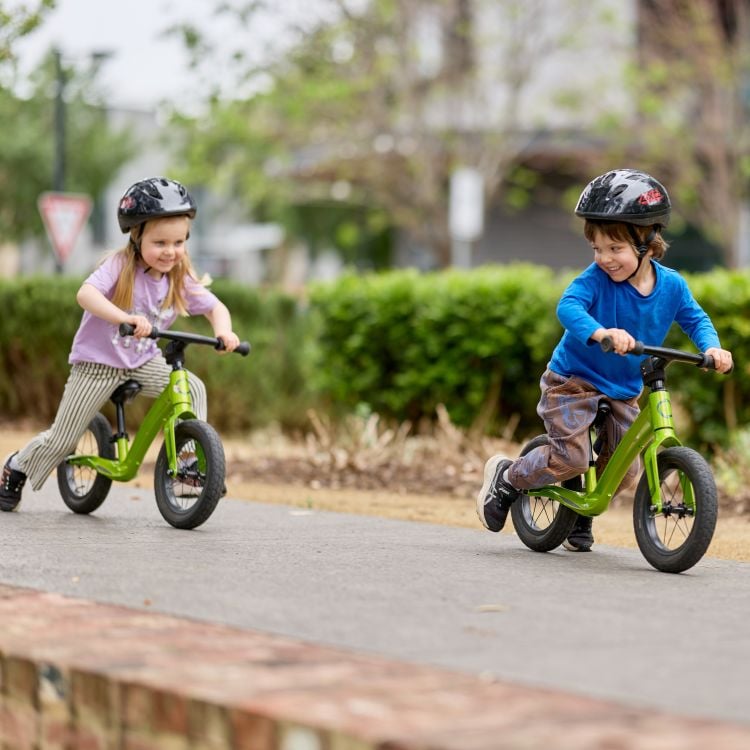
The Australian 24‑hour movement guidelines for children and young people highlight the importance of appropriate levels of physical activity, sedentary behaviour and sleep for optimal health.1 However, the vast majority of children living in Australia do not meet the recommended guidelines, highlighting the urgent need for change.
Status of physical activity of children and young people in Australia:
- The most recent national data indicate only 18% of 5–17-year-olds accumulate the recommended 60 minutes of moderate to vigorous intensity physical activity every day.5 For young people aged 15–17 years, up to 17% complete 60 minutes of moderate to vigorous activity, with only 20% engaging in the recommended three days per week of muscle- and bone-strengthening activity, and two thirds (66%) do none at all.24
- International data show an average decline in daily physical activity of between 3% and 5% per year starting as early as age 6.25 In Australia, data collected in 2011–2015 show that overall physical activity (organised, non‑organised, transport and chores) declined on average by 10.9% per year between the ages of 11 and 15.26 Limiting the decline in physical activity from a young age is critical.
- Children and young people in Australia are less physically fit than their international peers, ranking in the 41st percentile for aerobic fitness (20 m shuttle run) and the 28th percentile for muscular fitness (standing long jump).27 Many children and young people do not have basic foundational movement skills (e.g. catch, run, jump, kick, throw).28-30
- At the national level, only 45% of children play outdoors on most days.31 Playing outdoors is associated with higher physical activity levels in children and young people,32 and children with parents who are positive about risk in play outdoors are more likely to meet physical activity guidelines.33
- Excessive recreational screen time (e.g. TV viewing, video gaming, phone and computer use) is linked with adverse outcomes in young people.34 These include higher adiposity, less healthy diets, more depressive symptoms and poorer quality of life.34 As children get older, recreational screen time increases by at least 21 minutes/day (in studies following children for one year), and by up to 43 minutes/day (over four years).35
- Rates of walking and riding a bike to school have declined and are lower than in many other countries.36,37 In 2018, despite many living within 2 km of school, only 23% of primary school children in Australia and 16% of 13–18-year-olds walked or rode a bike to school.38
What is working well to enable physical activity for children and young people?
Policies and initiatives have been implemented across Australia to support children and young people to be physically active. Australia has clear evidence-based movement guidelines for children and young people, a physical literacy framework, and tracking of young people’s physical activity and related indicators with a national report card. There is also growing recognition of the importance of outdoor play. The following documents what is working well. Also, refer to the Action area 8, Education and childcare for additional policies and programs for children and young people within those settings.
- The release of the 24-hour movement guidelines for children and young people in 2019 (following the 2017 release for 0–5-year-olds) has helped reframe the way the spectrum of movement behaviours (i.e. physical activity, sedentary behaviour, and sleep) is viewed across a 24-hour period.1 However, increased awareness among families and health professionals is needed.
- The Australian Physical Literacy Framework developed by the Australian Sports Commission (ASC) was first released in 2019, with version 3 released in 2025.6 In 2024, the ASC established a Physical Literacy Coalition which has developed a two-year national plan for physical literacy with the united vision that, “everyone develops the foundations to be active for life”.39
- An ongoing initiative with national and global impact is the Active Healthy Kids Global Alliance physical activity report card project,7 which collates national data on children and young people’s physical activity and related indicators, and allows for benchmarking against previous reports and other countries. Physical literacy will be included as an indicator for the first time in 2026.
- The statewide roll‑out of the INFANT program,40 supported by the Victorian Department of Health, is educating families in healthy eating, active play and reduced screen time from the start of their baby’s life (from birth to 12 months). See case study for full details.
- There is growing public awareness and concern around the erosion of children’s outdoor play and the need to prioritise the time, space and freedom children have for self-directed active play and recreation.8,9,41 The 2025 Position Statement on Active Outdoor Play, developed through international collaboration and consensus among researchers, practitioners and leaders from 35 countries, illustrates the momentum on this issue. It calls for systemic changes that prioritise equitable access to active outdoor play opportunities to create healthier communities.42 The position statement was informed by several evidence reviews spanning health and wellbeing, movement behaviours, social capital, nature and environment, human rights and policy.43,44 It highlights the benefits of active outdoor play, not only for individuals and communities, but also for the environment.45
Case studies
The following case studies show how evidence-based, family-focused and community-led approaches are being applied in practice to support children and young people to be more active.
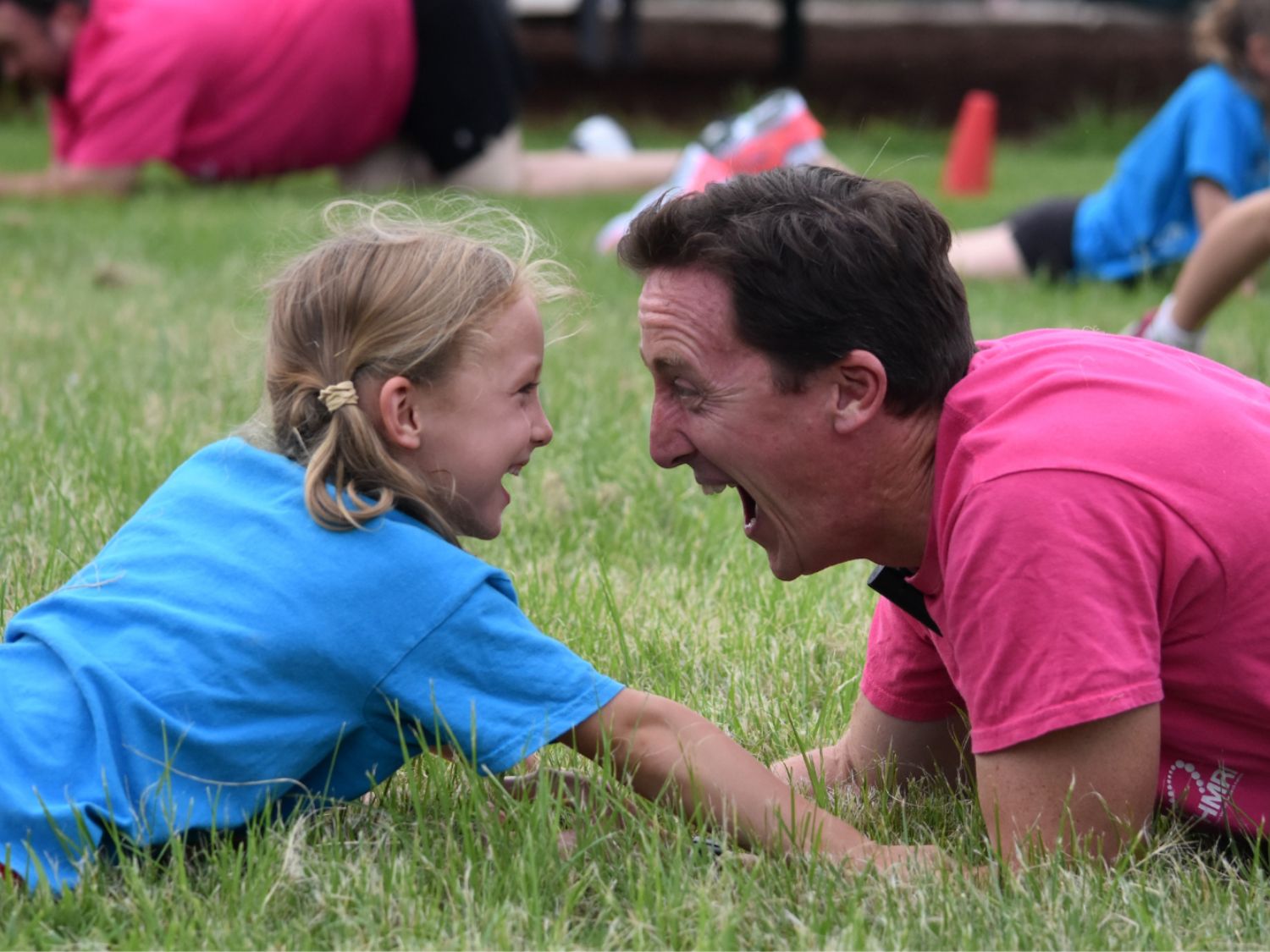
Daughters and Dads Active and Empowered
An evidence‑based program engaging girls and their father figures in physical activity to build wellbeing and address gender inequities, with proven long‑term impact.
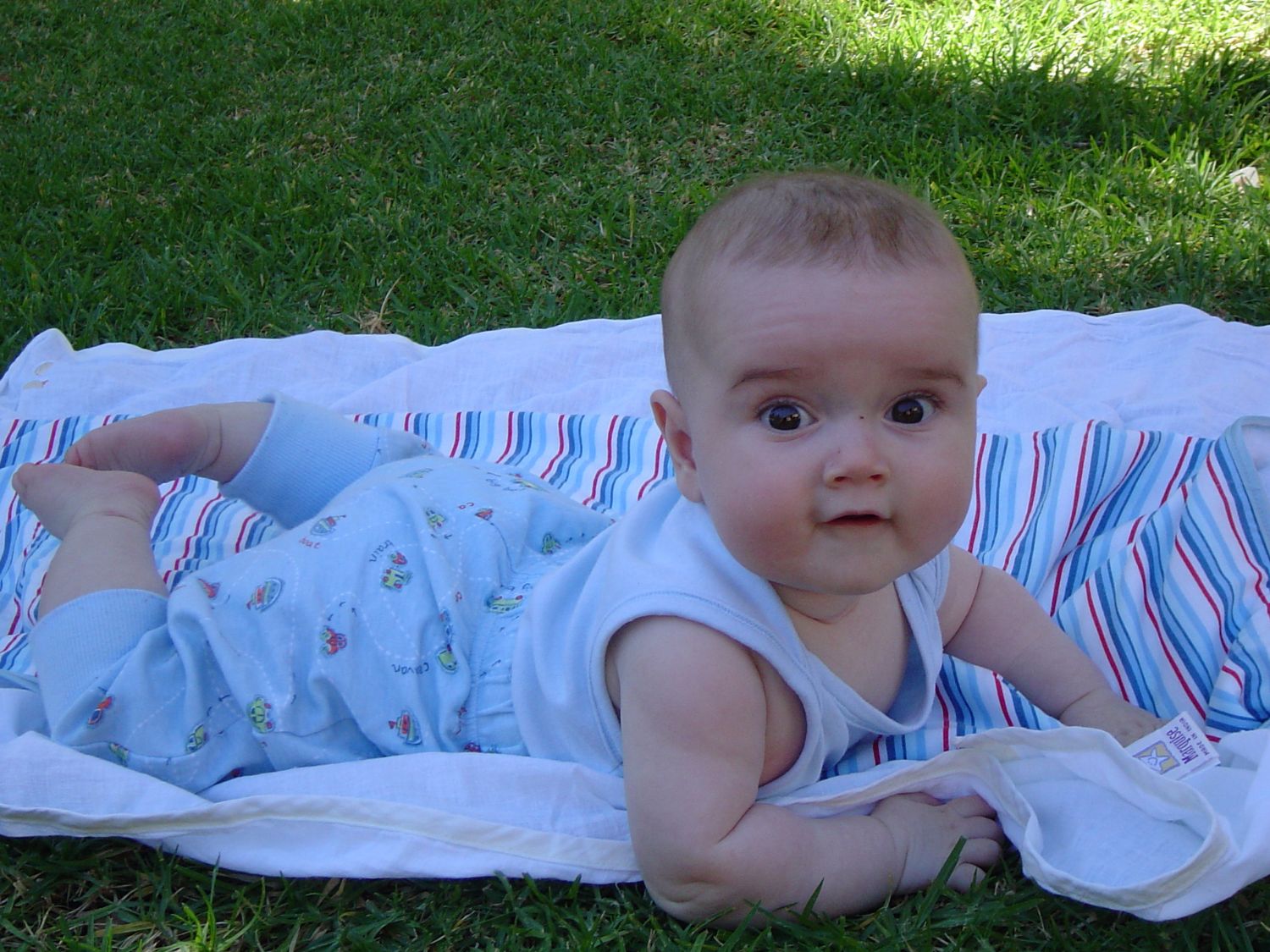
INFANT program: reducing screen time in early childhood
INFANT supports parents from pregnancy through infancy to promote active play, healthy eating and less screen time in early childhood.
What must be done to promote physical activity for children and young people?
Though Australia has programs and initiatives to support child and youth physical activity, there is a clear need to improve the physical activity levels of children and young people. The following evidence-based strategies and approaches are recommended to increase opportunities for children and young people to be physically active every day.
Policy, practice and leadership
- Maximise the use of existing facilities by adopting policies that allow greater community access to school grounds, sports facilities and playgrounds outside regular hours, supported by collaboration to address safety and other barriers.46
- Expand skill‑building opportunities beyond school settings by offering low-cost programs through community groups to teach foundational movement skills such as swimming, cycling and muscle strengthening exercises, enabling a lifetime of active participation.47
- Involve children, young people and families in decision-making to ensure new infrastructure and programs are appealing, age-appropriate, accessible, inclusive and family-friendly.48
- Strengthen local capacity and involvement by encouraging grassroots action through community-led initiatives that transform public spaces and create new opportunities for play and active recreation.49,50
- Invest in playgroups and early childhood services to create opportunities for all children – including those from disadvantaged backgrounds – to engage in active, nature-based and risky play that fosters the development of motor skills, creativity and physical literacy.51
Urban design and planning
- Create child-friendly community infrastructure by enabling local governments to maintain, enhance, or construct open green spaces, public sport and recreation facilities, playgrounds and informal play areas that encourage adventurous, inclusive and socially engaging play for children and young people of all abilities.10,11
- Invest in safe neighbourhood design that allows children and young people to move freely and independently. Examples include slower traffic speeds, more crossings, safe cycling routes and walkable access to schools and community destinations.52-55
- Community awareness and engagement
- Scale up effective, family-focused programs (both in-person and digital) to strengthen parents’ and caregivers’ knowledge of, and skills in, encouraging active play, physical activity and healthy screen behaviours. These programs should also support families to shape home, social and physical environments that encourage outdoor activity and play.12-14
- Enable co-participation opportunities by providing free or low-cost local activities that encourage children, young people and families to be active together.15
Workforce
- Embed physical activity promotion into professional training so that health professionals, teachers and childcare workers have the knowledge and confidence to encourage active play, physical literacy and healthy screen habits among children and families.56-58
Research, data and innovation
- A review of the evidence for this action area identified the following priorities for investment in research, data and innovation.
- Develop monitoring systems for children’s physical activity, physical literacy (including aerobic/muscular fitness and movement skills) and screen time.
- Collect and analyse data on children’s outdoor time and play environments to better understand how freedom to play can be supported and expanded.
- Improve understanding of digital impacts on children’s activity, including both risks (sedentary time, displacement of play) and opportunities (digital tools to measure and encourage movement).
- Evaluate family and community-based programs at scale, identifying the best strategies for sustainable, broad implementation.
References
1. Australian Government, Department of Health, Disability and Ageing. Australian 24-hour movement guidelines for children (5 to 12 years) and young people (13 to 17 years): an integration of physical activity, sedentary behaviour, and sleep. 2019. https://www.health.gov.au/resources/publications/australian-24-hour-movement-guidelines-for-children-5-to-12-years-and-young-people-13-to-17-years-an-integration-of-physical-activity-sedentary-behaviour-and-sleep
2. Kracht CL, Burkart S, Groves CI, et al. 24-hour movement behavior adherence and associations with health outcomes: an umbrella review. J Act Sedentary Sleep Behav. 2024;3(1):25. doi:10.1186/s44167-024-00064-6
3. Barnett LM, Webster EK, Hulteen RM, et al. Through the looking glass: a systematic review of longitudinal evidence, providing new insight for motor competence and health. Sports Med. 2022;52(4):875–920. doi:10.1007/s40279-021-01516-8
4. Chaput JP, Willumsen J, Bull F, et al. 2020 WHO guidelines on physical activity and sedentary behaviour for children and adolescents aged 5–17 years: summary of the evidence. Int J Behav Nutr Phys Act. 2020;17(1):141. doi:10.1186/s12966-020-01037-z
5. Australian Bureau of Statistics. Children’s physical activity, screen time and sleep. 2026. Accessed 13 August 2026. https://www.abs.gov.au/articles/childrens-physical-activity-screen-time-and-sleep
6. Australian Government, Australian Sports Commission. Australian Physical Literacy Framework, Version 3. 2025. https://www.ausport.gov.au/physical_literacy
7. Active Healthy Kids Global Alliance. Active Healthy Kids Global Alliance. 2025. Accessed 3 November 2025. https://www.activehealthykids.org
8. Alla K. Why are children spending more time indoors? 2024. https://aifs.gov.au/resources/policy-and-practice-papers/why-are-children-spending-more-time-indoors
9. Christian H. Time to go out and play. 2022. Accessed 10 November 2025. https://www.unesco.org/en/articles/time-go-out-and-play
10. Lee E-Y, Bains A, Hunter S, et al. Systematic review of the correlates of outdoor play and time among children aged 3–12 years. Int J Behav Nutr Phys Act. 2021;18(1):41. doi:10.1186/s12966-021-01097-9
11. Lambert A, Vlaar J, Herrington S, Brussoni M. What is the relationship between the neighbourhood built environment and time spent in outdoor play? A systematic review. Int J Environ Res Public Health. 2019;16(20):3840. doi:10.3390/ijerph16203840
12. Marsh S, Foley LS, Wilks DC, Maddison R. Family-based interventions for reducing sedentary time in youth: a systematic review of randomized controlled trials. Obes Rev. 2014;15(2):117–33. doi:10.1111/obr.12105
13. Brown HE, Atkin AJ, Panter J, Wong G, Chinapaw MJ, van Sluijs EM. Family-based interventions to increase physical activity in children: a systematic review, meta-analysis and realist synthesis. Obes Rev. 2016;17(4):345–60. doi:10.1111/obr.12362
14. Hnatiuk JA, Brown HE, Downing KL, Hinkley T, Salmon J, Hesketh KD. Interventions to increase physical activity in children 0–5 years old: a systematic review, meta-analysis and realist synthesis. Obes Rev. 2019;20(1):75–87. doi:10.1111/obr.12763
15. Uijtdewilligen L, Brown HE, Müller-Riemenschneider F, Lim YW, Brage S, van Sluijs EM. A systematic review of methods to measure family co-participation in physical activity. Obes Rev. 2017;18(12):1454–1472. doi:10.1111/obr.12589
16. United Nations. Sustainable Development Goals. Accessed 6 July 2026. https://sdgs.un.org/goals
17. Veldman SLC, Chin A Paw MJM, Altenburg TM. Physical activity and prospective associations with indicators of health and development in children aged <5 years: a systematic review. Int J Behav Nutr Phys Act. 2021;18(1):6. doi:10.1186/s12966-020-01072-w
18. Pacheco C, Culkin V, Putkaradze A, Zeng N. Effects of movement behaviors on preschoolers’ cognition: a systematic review of randomized controlled trials. Int J Behav Nutr Phys Act. 2025;22(1):12. doi:10.1186/s12966-025-01705-y
19. Zahran S, Visser C, Ross-White A, Janssen I. A systematic review of compositional analysis studies examining the associations between sleep, sedentary behaviour, and physical activity with health indicators in early childhood. J Act Sedentary Sleep Behav. 2023;2(1):1. doi:10.1186/s44167-022-00012-2
20. Gonçalves JP, Ferreira G, Lopes L, Sousa-Sá E, Santos R. Associations between movement behaviors, cognition, and academic achievement in children and adolescents: a systematic review. J Phys Act Health. 2025;22(3):285–306. doi:10.1123/jpah.2024-0014
21. Robson EM, Husin HM, Dashti SG, et al. Tracking the course of depressive and anxiety symptoms across adolescence (the CATS study): a population-based cohort study in Australia. Lancet Psychiatry. 2025;12(1):44–53. doi:10.1016/S2215-0366(24)00361-4
22. McHale R, Brennan N, Freeburn T, et al. Youth survey report 2023. 2023. https://apo.org.au/node/325132
23. Rodriguez-Ayllon M, Cadenas-Sánchez C, Estévez-López F, et al. Role of physical activity and sedentary behavior in the mental health of preschoolers, children and adolescents: a systematic review and meta-analysis. Sports Med. 2019;49(9):1383–1410. doi:10.1007/s40279-019-01099-5
24. Australian Bureau of Statistics. National Health Survey, table 11 physical activity, by age and sex. 2022. https://www.abs.gov.au/statistics/health/health-conditions-and-risks/national-health-survey/2022#data-downloads
25. Farooq A, Martin A, Janssen X, et al. Longitudinal changes in moderate‐to‐vigorous‐intensity physical activity in children and adolescents: a systematic review and meta‐analysis. Obes Rev. 2020;21(1):e12953. doi:10.1111/obr.12953
26. Kemp BJ, Parrish A-M, Batterham M, Cliff DP. Participation in domains of physical activity among Australian youth during the transition from childhood to adolescence: a longitudinal study. J Phys Act Health. 2020;17(3):278–286. doi:10.1123/jpah.2018-0705
27. Active Healthy Kids Australia. Reboot! Reimagining physically active lives: 2022 Australian Report Card on physical activity for children and young people. 2022. https://www.activehealthykids.org/wp-content/uploads/2022/03/Australia-report-card-long-form-2022.pdf [PDF]
28. Bolger LE, Bolger LA, O’Neill C, et al. Global levels of fundamental motor skills in children: a systematic review. J Sports Sci. 2020;39(7):1–37. doi:10.1080/02640414.2020.1841405
29. Martins C, Valentini NC, Sääkslahti A, et al. Motor competence as key to support healthy development of 3- to 5-year-old children: an expert statement on behalf of the International Motor Development Research Consortium. J Mot Learn Dev. 2024;12(3):437–454. doi:10.1123/jmld.2023-0055
30. Smith JJ, DeMarco M, Kennedy SG, et al. Prevalence and correlates of resistance training skill competence in adolescents. J Sports Sci. 2018;36(11):1241–1249. doi:10.1080/02640414.2017.1370822
31. The Royal Children’s Hospital, National Child Health Poll. Australian families: how we play, Poll number 28. 2023. https://rchpoll.org.au/polls/australian-families-how-we-play/
32. Gray C, Gibbons R, Larouche R, et al. What is the relationship between outdoor time and physical activity, sedentary behaviour, and physical fitness in children? A systematic review. Int J Environ Res Public Health. 2015;12(6):6455–6474. doi:10.3390/ijerph120606455
33. Jerebine A, Mohebbi M, Lander N, Eyre EL, Duncan MJ, Barnett LM. Playing it safe: the relationship between parent attitudes to risk and injury, and children’s adventurous play and physical activity. Psychol Sport Exerc. 2024;70:102536. doi:10.1016/j.psychsport.2023.102536
34. Stiglic N, Viner RM. Effects of screentime on the health and well-being of children and adolescents: a systematic review of reviews. BMJ Open. 2019;9(1):e023191. doi:10.1136/bmjopen-2018-023191
35. Kontostoli E, Jones AP, Pearson N, Foley L, Biddle SJH, Atkin AJ. Age-related change in sedentary behavior during childhood and adolescence: a systematic review and meta-analysis. Obes Rev. 2021;22(9):e13263. doi:10.1111/obr.13263
36. Van der Ploeg HP, Merom D, Corpuz G, Bauman AE. Trends in Australian children traveling to school 1971–2003: burning petrol or carbohydrates? Prev Med. 2008;46(1):60–62. doi:10.1016/j.ypmed.2007.06.002
37. Timperio A, Duncan S, Akram M, et al. Associations between parental perceptions of neighbourhood environments and active travel to school: IPEN adolescent study. Int J Behav Nutr Phys Act. 2025;22(1):55. doi:10.1186/s12966-025-01738-3
38. The Royal Children’s Hospital, National Child Health Poll. Travelling to school: habits of Australian families, Poll number 13. 2019. https://rchpoll.org.au/polls/travelling-to-school-habits-of-australian-families/
39. Australian Government, Australian Sports Commission. Physical Literacy Coalition. Accessed 10 November 2025. https://www.ausport.gov.au/physical_literacy/physical-literacy-coalition
40. Institute for Physical Activity and Nutrition (IPAN), Deakin University. INFANT. 2025. Accessed 3 November 2025. https://www.infantprogram.org
41. Haidt J. The Anxious Generation: how the great rewiring of childhood is causing an epidemic of mental illness. Penguin; 2024.
42. Lee E-Y, de Lannoy L, Kim Y-B, et al. 2025 Position Statement on active outdoor play. Int J Behav Nutr Phys Act. 2025;22(1):117. doi:10.1186/s12966-025-01813-9
43. James ME, de Lannoy L, Lopes O, et al. A systematic review and meta-analyses of the relationships between active outdoor play and 24-hour movement behaviors. J Sport Health Sci. 2025:101115. doi:10.1016/j.jshs.2025.101115
44. de Lannoy L, James ME, Badruddin Z, et al. Association between active outdoor play and health among children, adolescents, and adults: an umbrella review. J Phys Act Health. 2025:1–16. doi:10.1123/jpah.2025-0391
45. Outdoor Play Canada. 2025 Position Statement on active outdoor play. 2025. https://www.outdoorplaycanada.ca/aop10/
46. Hu D, Zhou S, Crowley-McHattan ZJ, Liu Z. Factors that influence participation in physical activity in school-aged children and adolescents: a systematic review from the social ecological model perspective. Int J Environ Res Public Health. 2021;18(6):3147. doi:10.3390/ijerph18063147
47. Hulteen RM, Morgan PJ, Barnett LM, Stodden DF, Lubans DR. Development of foundational movement skills: a conceptual model for physical activity across the lifespan. Sports Med. 2018;48(7):1533–1540. doi:10.1007/s40279-018-0892-6
48. Veitch J, Ball K, Rivera E, Loh V, Deforche B, Timperio A. Understanding children’s preference for park features that encourage physical activity: an adaptive choice based conjoint analysis. Int J Behav Nutr Phys Act. 2021;18(1):133. doi:10.1186/s12966-021-01203-x
49. Cohen DA, Han B, Derose KP, Williamson S, Marsh T, McKenzie TL. Physical activity in parks: a randomized controlled trial using community engagement. Am J Prev Med. 2013;45(5):590-597. doi:10.1016/j.amepre.2013.06.015
50. Umstattd Meyer MR, Bridges CN, Schmid TL, Hecht AA, Pollack Porter KM. Systematic review of how Play Streets impact opportunities for active play, physical activity, neighborhoods, and communities. BMC Public Health. 2019;19(1):335. doi:10.1186/s12889-019-6609-4
51. Johnstone A, McCrorie P, Cordovil R, et al. Nature-based early childhood education and children’s physical activity, sedentary behavior, motor competence, and other physical health outcomes: a mixed-methods systematic review. J Phys Act Health. 2022;19(6):456–472. doi:10.1123/jpah.2021-0760
52. Pan X, Zhao L, Luo J, et al. Access to bike lanes and childhood obesity: A systematic review and meta-analysis. Obes Rev. 2021;22(suppl 1):e13042. doi:10.1111/obr.13042
53. Luo M, Li H, Pan X, et al. Neighbourhood speed limit and childhood obesity. Obes Rev. 2021;22(suppl 1):e13052. doi:10.1111/obr.13052
54. Timperio A, Ball K, Salmon J, et al. Personal, family, social, and environmental correlates of active commuting to school. Am J Prev Med. 2006;30(1):45–51. doi:10.1016/j.amepre.2005.08.047
55. Loh V, Sahlqvist S, Veitch J, et al. Substituting passive for active travel - what is the potential among adolescents? Int J Sustain Transp. 2022;16(1):84–93. doi:10.1080/15568318.2021.1979137
56. Freene N, Barrett S, Cox ER, et al. The physical activity advice continuum - a guide for physical activity promotion in health care. J Phys Act Health. 2024;21(4):311–315. doi:10.1123/jpah.2023-0748
57. Griffiths A, Brooks R, Haythorne R, et al. The impact of allied health professionals on the primary and secondary prevention of obesity in young children: a scoping review. Clin Obes. 2023;13(3):e12571. doi:10.1111/cob.12571
58. Clark E, Elliott A, Jerebine A, Barnett LM. Assessing physical literacy with school-aged children in occupational therapy practice: an exploratory qualitative study. Br J Occup Ther. 2024;87(5):290–301. doi:10.1177/03080226231220566
Heart Foundation related information for children and young people


Introduction
Older adults