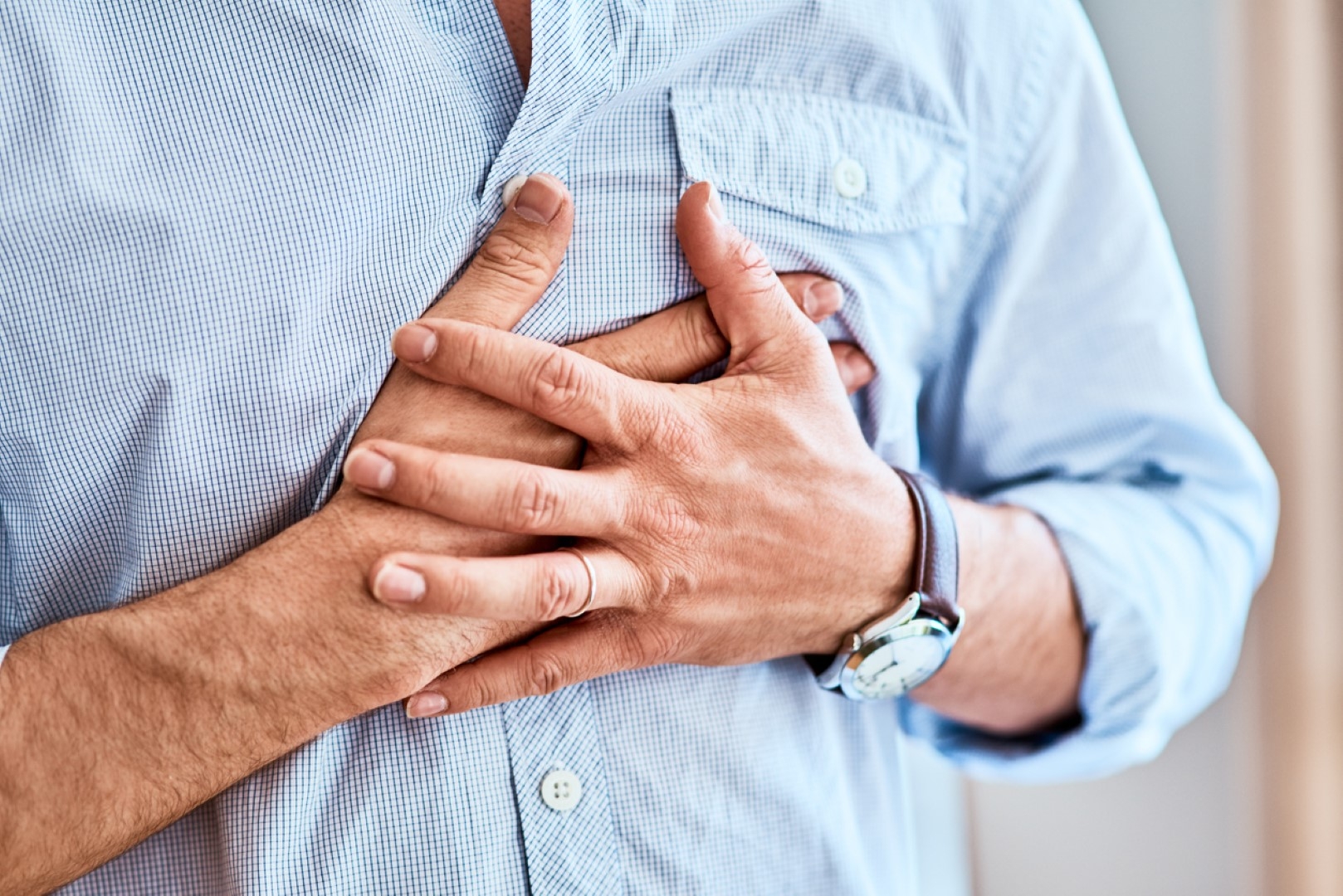
When the heart gets heavy: Emotional wellbeing and heart conditions
Emotional wellbeing is like having a garden. Sometimes it grows green on its own, other times it needs watering, cutting back or fertilising to keep things at optimum bloom. Emotional wellbeing is a personal state of being; the way you feel, the way you think, and the way you handle life’s ups and downs are all impacted if your wellbeing is not in balance.
Positive emotional wellbeing is important to have at any age and life stage but is especially important when living with a heart condition due to the strong relationship between heart health and emotional health. This means that when your physical health status changes, the likelihood is, so will your emotional health.
This article aims to promote an understanding of a variety of common emotional wellbeing issues amongst people with heart conditions, and offers some advice on how to improve emotional health and where to get some extra help if you think you need it.
What emotional symptoms can look like
After any new diagnosis, surgery or heart event, most people are faced with some sort of emotional recovery as well. This usually happens long after the physical healing takes place. There could be emotional changes like sadness, fear, dread, guilt, grief, shame or regret, as well as changes to the way we act like withdrawing from others, losing motivation, reduced interest in usual activities, not wanting to be alone, or repeatedly being on the look-out for signs of illness. You may notice your thinking patterns change, like having persistent worries or fearing the worst-case scenario will come true. It’s also common to feel negatively about yourself, such as believing you’re a burden or thinking that you’re faulty in some way.
Confusingly, certain emotional symptoms look exactly like cardiac symptoms, such as fatigue, increased heart rate, palpitations, a dry mouth and shortness of breath. This is also why emotional symptoms can go undetected and unaddressed for too long as we treat the urgent cardiac symptoms first.
If you experience any of the above, know that this is all common and in a lot of ways expected!
When you notice the first signs of dry soil, weeds, struggling plants, reach out early. By watering and tending to what needs care and removing what no longer serves you, you are creating the conditions for healthier, stronger growth over time. It’s important to discuss all of your symptoms (including emotional symptoms) with your medical team.
Dealing with scars, bruises, devices and new parts
Body image issues are common in people with any health condition. But where’s the manual for coming to terms with chest scars, a new heart device or even a donor heart?
We are wired to expect our bodies to do the right thing by us, but after all, we’re not perfect and sometimes neither are our organs. Modern medical interventions work miracles but can also leave us with visible reminders of our most vulnerable and painful moments.
It’s not nice to feel different. Coping with this is very individual; some people hide it, others get tattoos, some like to think about their scars as battle wounds, a badge that says “I made it, I’m alive”. It may take time to accept.
When it comes to others’ questions, say only what you’re comfortable with - your body is your business. And if you want to create an elaborate I-fought-off-a-shark story to get through the initial discomfort, that’s perfectly fine too.
Top tips for improving your emotional wellbeing
- Treat yourself as your own carer! Often we compare ourselves to what we used to do, what others are doing or what we want to be doing. We think that this type of self-talk is helpful, but most of the time it makes us feel worse. Just think - would you say those sorts of things to someone you love? Probably not. Treat yourself like your own carer, go at the pace that feels right for right now, and take stock on all the little wins. Focus on your strengths rather than your weaknesses… there are no “shoulds” welcome in emotional recovery!
- When it comes to health, stick to the basics. Yes, yes, take your meds, see your specialist, get your blood tests done. We know. But are you sleeping enough? Eating regular healthy meals? Moving when you can? Are you socialising? Planning things to look forward to? What helps you relax? No frills, no fancy tricks. Sometimes positive wellbeing is about just keeping things rolling, one step at a time.
- Get to know yourself (or your new self). The you as you know it has possibly changed, and this can be pretty unsettling. Take some time just to get to know who you are now. What have you learned about yourself lately? What’s important to you? Find your “thing”… is it nature? bubble baths? painting? What brings you joy now might not be the same as before – pay attention with curiosity rather than judgement… Who knows, you may even uncover a new-and-improved version!
- Seek support. It’s OK to lean on others. Open up the conversation with friends, loved ones and health professionals about what this means to you, and how others can support your health journey. Whatever your recovery needs, someone can usually provide it and would gladly do so. Ask your healthcare team about any questions that you have and find people in similar situations. A social group, peer support group, or simply having a chat with someone in the waiting room could be the difference between feeling alone and feeling understood.
Links to supports:
If connecting with others feels helpful, peer support can make a big difference. You might like to explore our two private Facebook groups:
- MyHeart MyLife online community: For adults across Australia, living with a heart condition, and their carers.
- Supporting Young Hearts online community: For adults aged 18–45 years living with a heart condition and their carers.
You could also consider joining a Heart Foundation Walking group. With walking groups available all over Australia, it’s a great opportunity to connect with others while also staying active.
Join the MyHeart MyLife support program
MyHeart MyLife is our free digital program for people who have had a heart attack, angina or been diagnosed with heart disease. The program goes hand-in-hand with cardiac rehabilitation by giving you extra information and support to manage your condition and live well.
By joining, you’ll get access to:
- heart health information, expert guidance and practical tips via online articles and short videos
- supportive text messages and emails to motivate and inspire
Guest author
Carlye Crank (nee Weiner), clinical psychologist
Carlye Crank is a clinical psychologist from Melbourne who works with individuals and communities to optimise their mental health and wellbeing. She is the director of Rise Psychology and works in private practice and in academic settings.
You might also be interested in...

Who to contact
Find key contact details for emergency and healthcare support.
Depression
Learn about depression, how it can affect daily life and heart health, and find trusted guidance and support to help manage your wellbeing.

Anxiety
Learn about anxiety and how it can affect your health, with guidance on managing it and finding support.
Last updated18 May 2026