
Celebrating Women in Heart Research: International Women’s Day 2026
Blog: Tuesday 4 March 2026
At the Heart Foundation, our vision is simple: health for every heart, no matter who you are or where you live by 2050. This International Women’s Day, we are celebrating the theme Give to Gain, recognising that when we invest in research, the benefits extend far beyond the lab. Across Australia, women researchers are driving progress in cardiovascular science, tackling inequity, and turning ideas into impact beyond the lab. Their work is helping shape a future where more people can live longer, healthier lives with heart disease prevented, treated and better understood.

Professor Jelena Rnjak-Kovacina, University of New South Wales
Engineering the future of heart valves
Professor Jelena is pioneering the development of next-generation aortic valves using biomimetic silk materials. Her work addresses the urgent need for durable, long-lasting valve replacements for aortic stenosis, a condition affecting thousands of older people in Australia. By harnessing the unique properties of silk, Prof Rnjak-Kovacina’s team aims to create valves that not only last longer but also integrate seamlessly with the body, offering hope for a permanent solution to heart valve disease. She shares, “With 15 years of experience in engineering silk materials, my team and I have the multidisciplinary expertise required to engineer silk into biomimetic materials for a new generation of heart valves.” Her leadership and collaboration across disciplines exemplify the “Give to Gain” ethos, as her innovations promise to benefit patients for generations to come.
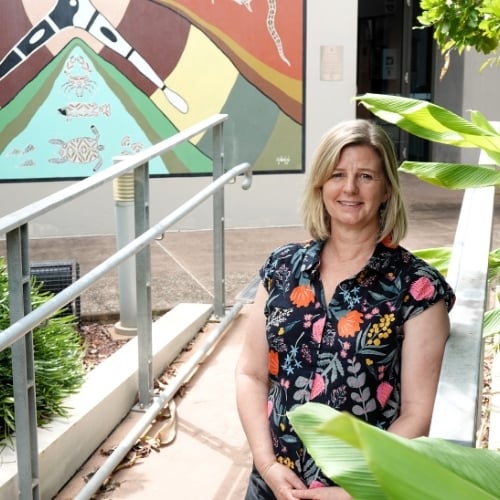
Professor Marita Hefler, Flinders University
Community-led solutions for heart health equity
Professor Marita is working alongside First Nations communities in East Arnhem Land to co-design strategies that reduce commercial tobacco availability. Recognising the unique challenges and strengths of Aboriginal community-controlled stores, her project aims to create culturally respectful and commercially viable approaches to reduce smoking, a leading cause of cardiovascular disease. By empowering communities to lead the way, Prof Hefler’s research is a testament to the power of giving agency and voice, ensuring that solutions are both effective and enduring.
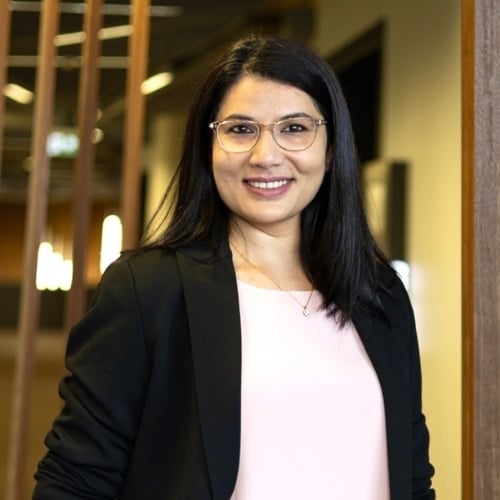
Dr Susan Paudel, University of Melbourne
Bridging gaps for South Asian mothers and children
Dr Susan is addressing health inequities by co-designing a culturally tailored physical activity intervention for South Asian mothers and children, the fastest-growing migrant group in Australia and among those at highest risk of heart disease. Her project works with adolescents, parents and stakeholders to meet cultural and language needs, breaking down barriers to participation and supporting early prevention. Dr Paudel’s work highlights how addressing diversity and inclusion can yield gains in health equity and community wellbeing.

Associate Professor Giselle Yeo, University of Sydney
Advancing heart attack recovery
Associate Professor Giselle is developing functionally enhanced cardiac patches for myocardial infarction (heart attack). By harnessing the regenerative power of mesenchymal stromal cells and innovative biomaterials, her research aims to improve heart repair and extend the window for effective treatment, especially for patients in remote communities. She says, “I am strongly motivated by the opportunity to translate fundamental insights into potential solutions for pressing societal challenges such as cardiovascular diseases. Collaborating with exceptionally talented colleagues in the bioengineering space allows me to bridge fundamental science with clinical practice, and I find these interdisciplinary projects highly rewarding and enriching.” A/Prof Yeo’s commitment to translating fundamental science into real-world solutions embodies the spirit of giving back to society through research.
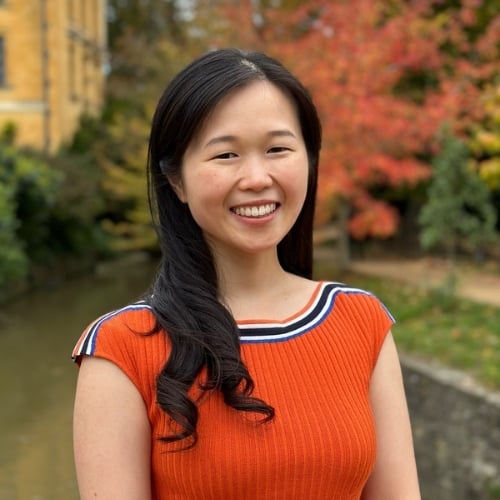
Dr Beryl Lin, Baker Heart and Diabetes Institute
Impact in everyday care for diabetes and heart health
Dr Beryl is investigating how new diabetes medications that protect the heart and kidneys are being used in everyday clinical practice. Her research seeks to identify gaps in access and ensure that the benefits of these life-saving treatments reach all people in Australia, especially those most at risk. Dr Lin shares, “As a doctor caring for people with diabetes, I have seen the devastating impact that heart and kidney complications can have on people and their families. Whilst I love caring for individual patients, research allows me to make a difference at scale. It challenges me to think outside the box and remain curious about what we can do differently and better.” Dr Lin’s dedication to bridging the gap between evidence and practice is a powerful example of how research can give back to the community by informing better, more equitable care.
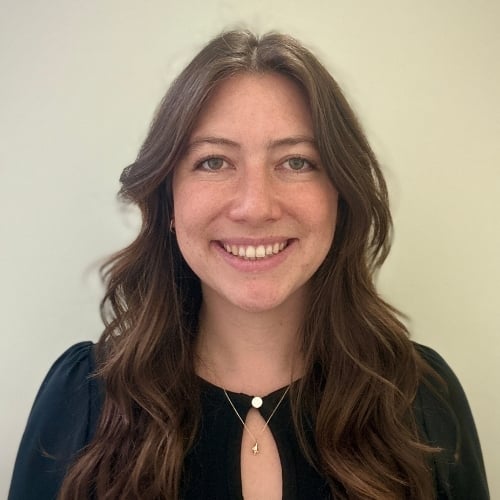
Dr Emilia Nan Tie, Baker Heart and Diabetes Institute
Tackling heart failure with innovation
Dr Emilia is exploring how weight loss, through medication or surgery, can improve outcomes for people with heart failure with preserved ejection fraction (HFpEF), a condition that disproportionately affects women. Her research uses advanced imaging to develop non-invasive diagnostic pathways and guide personalised treatment, aiming to improve quality of life and reduce hospitalisations. Dr Nan Tie says, “Ultimately, I aspire to elevate the quality of life and health outcomes for individuals grappling with obesity and HFpEF, alleviating the burden of this condition on both patients and the healthcare system.” Her work demonstrates how giving attention to unmet clinical needs can yield gains in patient care and health system sustainability.
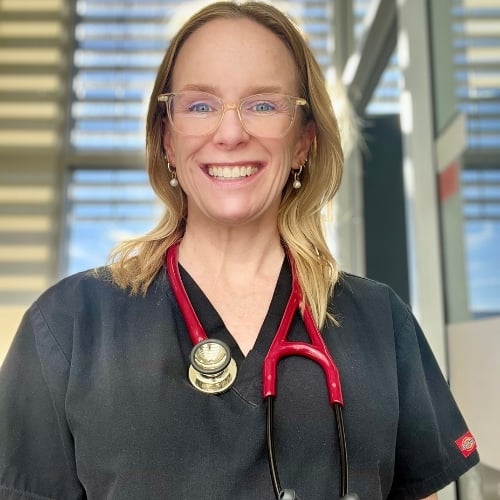
Associate Professor Rebecca Kozor, University of Sydney
Improving Diagnosis and Personalised Care
Associate Professor Rebecca is advancing the early detection and management of genetic cardiomyopathies, often inherited and potentially life-threatening heart muscle diseases. By integrating advanced imaging and electrocardiography, her research aims to personalise treatment and improve outcomes for patients and families. She reflects, “My motivation for this research comes directly from caring for patients and families living with genetic cardiomyopathies, where uncertainty around diagnosis, prognosis and treatment can be life-changing. As a cardiologist and cardiac imaging specialist, I see the opportunity to combine clinical care with cutting-edge tools like A-ECG and CMR to detect disease earlier and personalise management. I am driven to improve outcomes for patients and their families.” A/Prof Kozor’s dedication to turning clinical questions into research opportunities exemplifies the “Give to Gain” philosophy, as her work brings hope and clarity to those living with genetic heart disease.
Honouring the spirit of Give to Gain
The women featured in this blog are helping turn research into meaningful impact across Australia. Through their work, they’re strengthening our understanding of heart disease, supporting communities, and helping ensure better outcomes for people. Their stories reflect the Heart Foundation’s belief that when we invest in research, the benefits extend far beyond today.
This International Women’s Day, we’re proud to recognise the women driving progress in heart health. By continuing to support research and the people behind it, we move closer to our vision of health for every heart, and a future where more people in Australia have the chance to live longer, healthier lives.
Donate now so we can continue funding research like this and help make health for every heart a reality.