Obesity and cardiovascular disease
A clinical consensus statement from the National Heart Foundation of Australia

Introduction
Overweight and obesity represent a critical and growing public health challenge in Australia and globally. Approximately two thirds of adults in Australia are currently living with these conditions.1,2 The prevalence of obesity alone has increased from 19% in 1995 to 32% in 2022,1 with nearly half of the adults in Australia expected to be living with obesity by 2035.3 Overweight and obesity are associated with a myriad of chronic conditions including cardiovascular disease (CVD), cancer, type 2 diabetes, chronic kidney disease, metabolic dysfunction-associated steatotic liver disease, musculoskeletal disease, dementia, asthma and obstructive sleep apnoea.2,4,5 In 2024, overweight and obesity overtook tobacco use as the leading modifiable contributor to Australia’s disease burden, accounting for 8.3% of total burden.6
In the context of CVD, which remains a leading cause of morbidity and mortality in Australia,1 overweight and obesity contribute to hypertension, dyslipidaemia, insulin resistance and systemic inflammation.7 These mechanisms accelerate the development of coronary heart disease, stroke, heart failure and atrial fibrillation.8
Obesity is now widely recognised as a complex, chronic, relapsing condition, rather than solely a risk factor, arising from interacting biological, behavioural and environmental drivers.9 This contemporary disease framework underscores the need for long-term, person-centred management approaches that address prevention, treatment and maintenance across the life course.10
Effective overweight and obesity management requires a multimodal, staged approach. Foundational to this approach is sustained behaviour modification, including nutrition and physical activity, supported in a non-stigmatising, culturally appropriate manner. For people living with severe obesity (obesity with complications or very elevated body mass index (BMI)), or for those for whom behaviour modifications alone cannot achieve the required outcomes, obesity management medications and metabolic bariatric surgery play an important adjunctive role.
Newer incretin-based therapies, such as glucagon-like peptide-1 (GLP-1) receptor agonists and dual glucose-dependent insulinotropic polypeptide (GIP)/GLP-1 receptor agonists, have changed the obesity treatment landscape. These agents offer highly effective options for weight management, with demonstrated positive cardiovascular outcomes, including for people with established CVD.11,12
Despite the strong causal link between obesity and several cardiovascular conditions, gaps persist in prevention and management across the Australian healthcare system. Obesity remains overlooked as a modifiable risk factor for CVD, while stigma and inequities in access to effective treatment further compound the challenges.13 Current clinical guidelines offer limited integration of obesity management within cardiovascular care pathways. This underscores the need for a coordinated, multidisciplinary approach that primary healthcare professionals, other specialists and allied healthcare professionals can collectively use to support people living with obesity.14
This consensus statement has been developed to help address these knowledge gaps and the growing need for practical guidance in this evolving area of medicine. It intends to assist healthcare professionals to deliver equitable, person-centred, evidence-based strategies to assess and manage overweight and obesity and improve long-term health outcomes for adults in Australia living with, or at high risk of, CVD. The statement is intended to complement the upcoming National Health and Medical Research Council (NHMRC)’s Clinical practice guidelines for the management of overweight and obesity for adults, adolescents and children in Australia (‘NHMRC Clinical Practice Guidelines’).14
Obesity is a multifaceted condition underpinned by a broad and complex range of drivers that extend beyond the scope of clinical intervention.9 System-level and environmental factors play a profound role, and while not addressed in detail in this consensus statement, are also critical to tackling the growing problem of obesity in Australia.15 Similarly, while out of scope for this consensus statement, primary prevention of overweight and obesity remains critical to reducing the incidence of CVD. Longer duration of obesity is associated with greater cumulative cardiometabolic risk, earlier onset of hypertension, dyslipidaemia and type 2 diabetes, and higher lifetime risk of CVD events.16 This emphasises the importance of early intervention strategies that continue across the life course.
Purpose
The purpose of this consensus statement is to provide:
- a discussion of the link between overweight/obesity and CVD
- evidence-based recommendations for the definition, assessment and diagnosis of overweight and obesity, and discussion of the practical implications for cardiovascular health
- evidence-based recommendations for the management of overweight and obesity in the context of CVD, encompassing behaviour modifications, obesity management medications and metabolic bariatric surgery
- specific practice points and considerations for high-priority populations
- considerations for cardiovascular diagnostic imaging, cardiovascular-kidney-metabolic syndrome, and other conditions relevant to CVD and overweight/obesity
- practical advice, tools and resources to guide healthcare professionals on applying the recommendations in their clinical practice.
Intended audience
This consensus statement is intended for all healthcare professionals caring for people living with overweight or obesity with established CVD or at high risk of CVD. These include (but are not limited to) general practitioners and other primary healthcare professionals, cardiologists, endocrinologists, surgeons, gastroenterologists, nurses and nurse practitioners, First Nations health workers and practitioners, pharmacists, dietitians, exercise physiologists, physiotherapists and other allied healthcare professionals.
Scope
This consensus statement addresses the clinical assessment, diagnosis and management of adults (people aged 18 years or older) living with overweight or obesity with established CVD or at high risk of CVD.
- ‘Established CVD’ is a broad term that includes both atherosclerotic CVD (e.g. coronary heart disease) and non-atherosclerotic cardiovascular conditions (e.g. heart failure, atrial fibrillation).
- ‘High risk’ refers to high risk of atherosclerotic CVD and has been defined as per the below groups (Figure 1):
People with high CVD risk classification according to the 2023 Australian Guideline for assessing and managing cardiovascular disease risk ('Aus CVD risk guideline')
People with clinically determined high risk according to the Aus CVD risk guideline
People with very elevated individual risk factors (e.g. very high blood pressure, very elevated cholesterol, very high lipoprotein(a))
People with subclinical or ‘pre-clinical’ disease (e.g. evidence of atherosclerosis or ischaemia on imaging)
This consensus statement does not comprehensively address: (i) overweight and obesity in children, adolescents, older adults or pregnant women, (ii) extensive guidance on behaviour modifications, (iii) eating disorders, (iv) complementary medicines, (v) detailed advice on metabolic bariatric surgical procedures, or (vi) cost effectiveness of interventions. A discussion of the system-level drivers of obesity and primary prevention is also out of scope of this document.
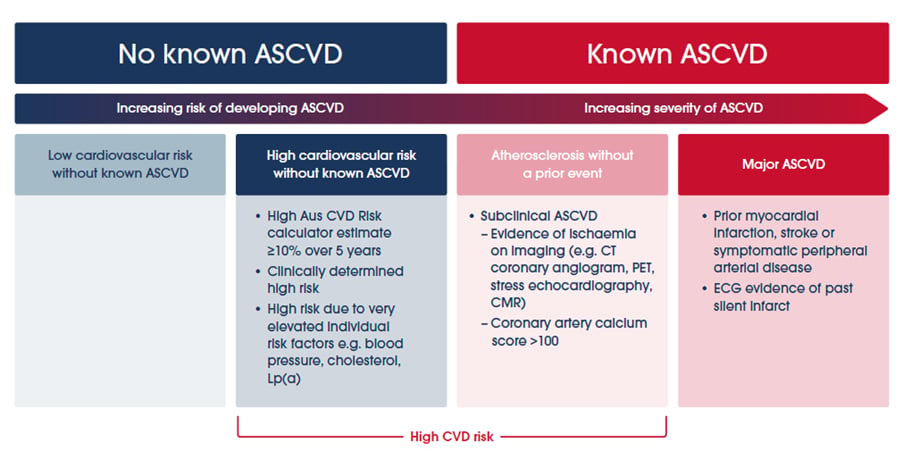
Figure 1: Continuum of atherosclerotic cardiovascular disease risk.
Abbreviations: ASCVD, atherosclerotic cardiovascular disease; CVD, cardiovascular disease; ECG, electrocardiogram; Lp(a), lipoprotein (a).
Adapted with permission from the TIMI Study Group from VESALIUS-CV Late Breaking Clinical Trial presentation slides, presented at the American Heart Association Scientific Sessions 2025.
How the consensus statement was developed
This consensus statement was developed by the National Heart Foundation of Australia (Heart Foundation) under the guidance of a multidisciplinary taskforce (‘the Taskforce’) with expertise in cardiology, endocrinology, obesity, bariatric surgery, general practice, First Nations health, epidemiology, nutrition, dietetics, exercise physiology, pharmacy, public health, and consumers with lived experience. For a full list of contributors see Appendix 1: Contributors to the consensus statement for the full list of contributors.
In addition to expert guidance provided by the Taskforce, this consensus statement has been informed by the following:
- An independent evidence review completed by the University of Queensland involving a systematic synthesis of peer-reviewed literature conducted via targeted searches.
- An environmental scan assessing:
- prominent international guidelines and position statements on obesity and CVD
existing local guidelines, policies, strategies, services and reports, including the draft NHMRC Clinical Practice Guidelines.
- A national stakeholder forum on obesity and CVD held in July 2025.
- Targeted consultation with a diverse group of individual experts, consumers, peak bodies and government health department representatives.
The consensus statement recommendations were developed by Taskforce members and informed by the evidence review, environmental scan, and clinical expertise.
To support the consistency and integrity of the recommendations, a structured framework for strength of advice was specifically developed to guide the evaluation of evidence and formulation of advice (Table 1). This framework was adapted from the European Society of Cardiology’s Scientific Documents Policy.17
Based on evidence quality and consensus among Taskforce members, the strength of advice is both evidence-based and practical. Generally, the more high-quality studies and robust research designs included in an analysis, the stronger its evidence rating. Systematic reviews, meta-analyses and randomised controlled trials typically represent the highest level of evidence due to their rigorous methodology and strong indications of effectiveness.18
Table 1. Strength of advice hierarchy
|
A. Strong advice, based on robust published evidence* and supported by expert consensus.** High confidence that benefits clearly outweigh risks. Supported by consistent, robust high-quality evidence and expert consensus. |
Strong advice
|
|
B. Moderate advice, based on some published evidence* and supported by expert consensus.** Benefits likely outweigh risks, but with some uncertainty. Evidence may not be as strong, or expert opinion may not reach unanimous consensus. |
Moderate advice
|
|
C. May be appropriate, based on published evidence* and expert consensus.** Insufficient evidence in this area. Recommendation based primarily on expert consensus. |
May be appropriate
|
|
D. Area of uncertainty. Insufficient evidence or consensus to support a clear position. Clinical practice may vary in this area. |
Area of uncertainty
|
*Systematic reviews, meta-analyses and randomised controlled trials constitute the highest level of evidence. Observational studies constitute a lower level of evidence and are considered less robust. Case studies and grey literature constitute the lowest level of evidence.
**While formal voting thresholds were not specified, recommendations were retained only where there was strong majority support and no substantive unresolved objection.
For more information on how this consensus statement was developed, go to About the statement.
Conflicts of interest
Conflicts of interest were recorded and managed throughout the development of the consensus statement.
Conflicting interests were considered within a framework of both:
i. the relationship (direct or indirect) of the participating individual to any third party with interest in the topic under consideration during the development process of the consensus statement
ii. the nature (financial and non-financial) of the potential conflict.
Conflicting interests among the subgroups required appropriate management to ensure clinical recommendations were not compromised. Processes employed by the Heart Foundation project team aimed to ensure the integrity of the Taskforce and to strike an appropriate balance between the existence of interests in a topic under review and the expertise required to make sound and meaningful recommendations.
More information on conflicts of interest management and a summary of all disclosures can be found in Appendix 3: Conflicts of interest
Impact of overweight and obesity on cardiovascular risk and CVD outcomes
The underlying causes of overweight and obesity are complex and not fully understood, arising from a multifactorial interplay of genetic, epigenetic, neurobiological, environmental, psychological, physiological, behavioural and sociocultural influences (Figure 2).19

Figure 2: Multifactorial aetiologies of obesity.20
Overweight and obesity are significant independent risk factors for CVD via both direct and indirect mechanisms (Figure 3).
Directly, excess adipose tissue causes endothelial dysfunction, systemic inflammation, oxidative stress and insulin resistance.21 Excess adiposity also promotes atherosclerosis and causes a range of functional and structural changes in the heart, resulting in poor cardiac function.19
Indirectly, excess adiposity contributes to the development of several well-established risk factors for CVD, including hypertension,22,23 type 2 diabetes24 and dyslipidaemia.25 The Aus CVD Risk calculator does not include BMI as a specific risk variable for the general population (it is included only for people with type 2 diabetes). This is because much, but not all, of the predicted risk associated with overweight/obesity is captured via the inclusion of downstream metabolic risk factors such as hypertension, type 2 diabetes and dyslipidaemia.26

Figure 3: Direct and indirect impacts of excess adiposity on CVD and CVD subtypes.
Abbreviations: CVD, cardiovascular disease.
Within the ‘umbrella’ term of CVD, overweight/obesity is also a risk factor for numerous CVD subtypes including atrial fibrillation,27-31 coronary heart disease,32,33 heart failure,34,35 peripheral arterial disease36 and stroke.37,38 Similarly, people living with overweight and obesity have an increased risk of major adverse cardiovascular events including all-cause and CVD mortality.39 Overweight and obesity confer a 46% and 64% higher risk of myocardial infarction respectively,40 and an increased risk of sudden cardiac death (21% and 52%, respectively).41,42
Several modifying factors play a role in the relationship between overweight/obesity and CVD. These include adipose tissue distribution, cardiorespiratory fitness, comorbidities and metabolic health status (Figure 4).
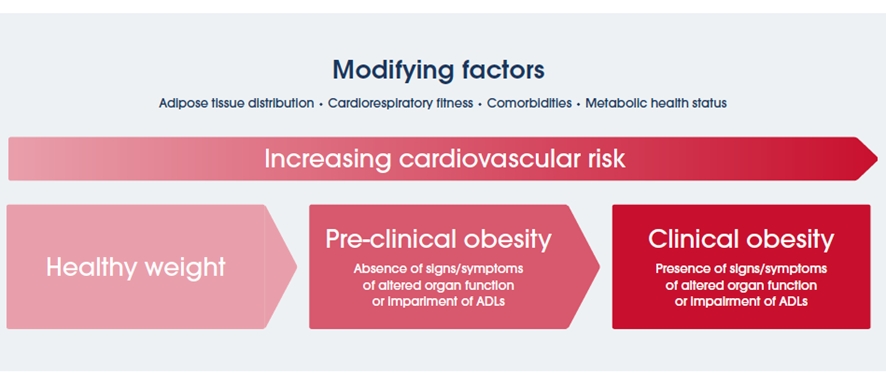
Figure 4: Modifying factors for the relationship between excess adiposity and cardiovascular risk.
Abbreviations: ADLs, activities of daily living.
While both general and central adiposity contribute to increased risk of CVD, central adiposity, particularly elevated visceral, perivascular and hepatic fat, is more strongly associated with adverse outcomes.43 For example, incremental increases in waist circumference, a marker of elevated visceral and hepatic fat, are associated with increased risk of CVD in both women and men.44 Similarly, people with ‘normal weight obesity’, defined as BMI within the healthy range but with an elevated body fat percentage, have a significantly increased risk of CVD and adverse cardiometabolic risk factors, including high triglycerides and hypertension.
Metabolic health status (generally defined by the presence or absence of hypertension, impaired fasting glucose and/or dyslipidaemia) and cardiorespiratory fitness are also important modifiers of the relationship between CVD and obesity.45-48
When elevated BMI is accompanied by poor metabolic health or low fitness, the risk of cardiovascular morbidity and mortality significantly increases.46,47 People with obesity and optimised metabolic risk factors have a lower risk of CVD than people with obesity with poor metabolic health.49 However, having good metabolic health does not entirely negate the adverse impacts of excess adiposity. People with obesity without metabolic risk factors are still at increased risk of cardiovascular events.50
To note, in people with established CVD, the association between BMI and CVD-related mortality or major adverse cardiovascular events is non-linear, with some studies suggesting a lower BMI may confer a higher risk of mortality, with excess adiposity being somewhat protective.51-55 The latter is known as the ‘obesity paradox’. However, this is regarded by many as an anomaly of epidemiological and observational studies.56-60
Intentional weight loss in people with overweight or obesity and CVD improves heart function and cardiovascular risk factors and reduces risk of mortality.61,62 Maintaining weight loss is essential for sustaining these benefits,63 primarily through ongoing behaviour modifications and pharmacotherapy, if clinically indicated.
Cardiovascular-kidney-metabolic syndrome
Cardiovascular-kidney-metabolic (CKM) syndrome is a term used to describe the cluster of metabolic, kidney and cardiovascular disorders that share common risk pathways and mutually contribute to the development and accelerated progression of one another.64 Evidence suggests that each additional CKM component (e.g. hypertension, type 2 diabetes, chronic kidney disease) increases all-cause mortality risk by ~ 22% and CVD mortality by ~ 37%.65
The relationship between obesity and CKM syndrome is bidirectional. Excess adiposity accelerates the development and progression of cardiometabolic and renal disease, while established cardiovascular and kidney disease can further limit physical activity, alter metabolism and complicate obesity management.64
Identification of CKM syndrome in people with obesity provides an opportunity for comprehensive, integrated care. Management should extend beyond weight reduction alone to include proactive assessment and optimisation of blood pressure, glycaemic control, lipid levels, renal function, sleep apnoea, smoking status, physical activity and nutrition. Addressing additional comorbid conditions can substantially reduce cumulative cardiovascular risk and improve long-term outcomes for people living with obesity.64
Detailed clinical guidance for the diagnosis and management of CKM syndrome is beyond the scope of this document. However, practical considerations for healthcare professionals include the following:
- screening all people with overweight/obesity and CVD or at high risk of CVD for other metabolic risk factors including blood pressure, blood glucose, HbA1c, lipids and measures of kidney function (e.g. urine albumin-to-creatinine ratio, estimated glomerular filtration rate)
- utilising pharmacological therapies that confer cardiovascular, kidney and metabolic benefits (e.g. GLP-1 receptor agonists, GIP/GLP-1 receptor agonists and sodium-glucose co-transporter 2 (SGLT-2) inhibitors) where clinically relevant
- adopting a person-centred multidisciplinary approach, which ideally includes general practitioners, cardiologists, endocrinologists and renal specialists. Nurses and nurse practitioners, pharmacists and other allied healthcare professionals are also vital in supporting people to maintain adherence to medications and behaviour changes.
Recent research also highlights the overlapping role of liver dysfunction in CKM syndrome, coining a new term – cardiovascular-renal-hepatic-metabolic syndrome. This term recognises the bidirectional association of metabolic dysfunction-associated steatotic liver disease and CKM syndrome and re-emphasises the critical role of holistic management beyond organ-specific approaches.66,67
Weight stigma
Weight stigma can be implicit or explicit, and refers to negative attitudes, stereotypes and discrimination directed at individuals living with overweight or obesity.68 It is a recognised social and structural determinant of health and is associated with adverse mental and physical health outcomes,69-72 social inequities,73 increased cardiovascular risk,74 and premature mortality independent of elevated BMI.75
Weight stigma is embedded in healthcare systems, from clinical environments to models of care and unconscious biases held by healthcare professionals.76,77 This stigma may result in inadequate assessment and inequitable access to treatment and support for individuals living with overweight or obesity.78
Weight stigma may cause treatment bias, where provision of, or referral to, evidence-based interventions, such as obesity management medications and metabolic bariatric surgery, is delayed or withheld due to stigmatising beliefs. Treatment bias further reinforces inequitable access to treatment.79
People who experience stigma are more likely to delay or avoid healthcare, report poorer relationships with healthcare providers, and experience psychological distress. Fear of judgement or bias may prevent people from discussing sensitive issues like nutrition, physical activity or mental health, and those who feel judged are less likely to follow medical advice.80,81
Creating stigma-free healthcare environments is a foundational equity-based requirement to ensure safe, respectable and inclusive access to care for people living with overweight and obesity. Stigma-free care is associated with improved engagement, healthcare use, and uptake of recommended care.82
Healthcare professionals can take practical steps to minimise weight stigma and its impacts by:
- using person-first, non-stigmatising language (e.g. ‘person living with obesity’ rather than ‘obese person’) and avoiding terminology that implies blame or personal failure. Acknowledge obesity as a complex, chronic condition that is influenced by genetics, environment and social determinants, not just personal choice83
- referring people with overweight or obesity to evidence-based treatments, including obesity management pharmacotherapy and metabolic bariatric surgery, and ensuring referral pathways are transparent, consistent and free from bias
- supporting psychological safety, recognising that previous experiences of stigma may affect engagement, trust and readiness for care
- focusing on the positive outcomes of healthy behaviours beyond anthropometric targets, such as psychosocial health, quality of life and functional status, and using shared decision-making to devise health-related goals83
ensuring clinical environments are inclusive, with features such as armless or wider chairs, high-capacity exam tables and scales, and appropriately sized gowns and medical equipment such as blood pressure cuffs.83 Check imaging providers have adequate facilities to conduct the required investigations prior to referral
building workforce capability, including healthcare professional training to recognise, reflect on and address implicit weight bias, and to communicate about weight and health in culturally safe, trauma-informed ways.
Resources and further reading
- The Obesity Collective: Quick guide: Considerations for discussing weight and health
- RACGP: Supporting healthcare professionals to reduce weight stigma
- LiveLighter: Talking to patients about weight and health and other online learning
- WA Primary Health Alliance: Yarning about weight; information and videos about discussing weight with First Nations peoples
- World Obesity Strategic Centre for Obesity Professional Education (SCOPE): E-learning module Weight bias: A hidden harm
Summary of recommendations